Exploring the complexity of the iPhone 17 Pro: a teardown reveals over 70 unique screws
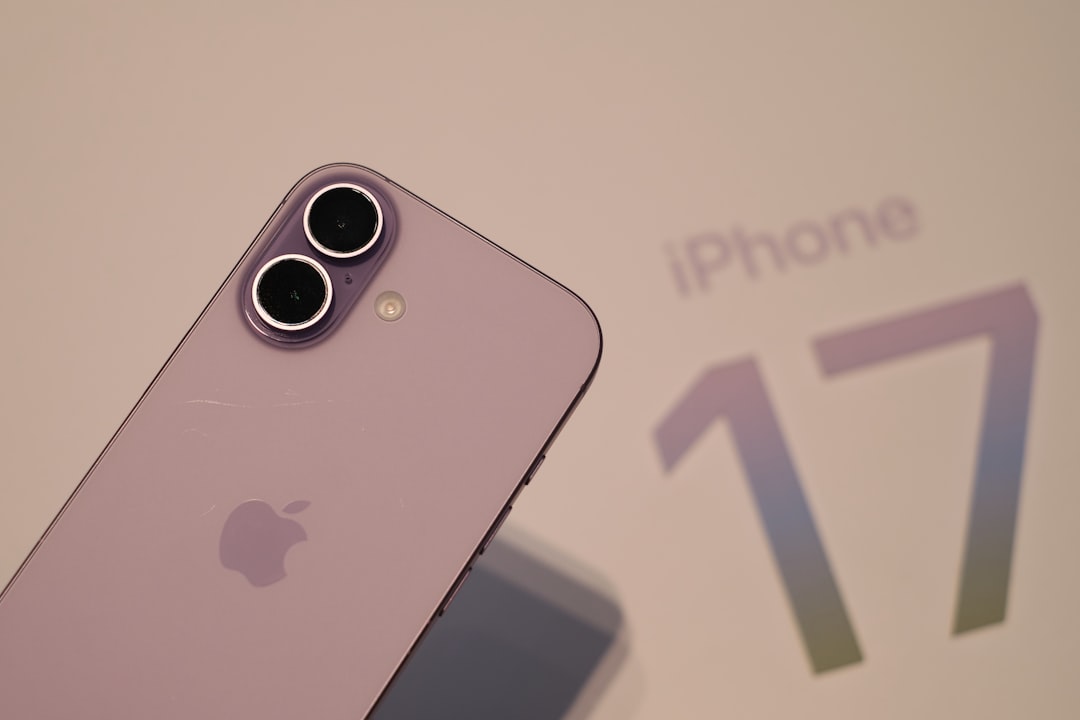
A teardown of the iPhone 17 Pro reveals its intricate design, including over 70 unique screws and layers of precise engineering.
Apple has long championed minimalistic design and cutting-edge hardware integration in its devices, but the internal structure of the iPhone 17 Pro tells a different story—one of overwhelming complexity. According to a detailed teardown, this smartphone contains over 70 unique screws, each of varying size and function, making it one of Apple’s most intricate devices to date.
The standout finding? The standoff screw system—a screw that essentially acts as a socket for other screws. This nested approach to securing components ensures precision and modularity but makes the disassembly process especially painstaking for repair enthusiasts or technicians.
Understanding the standoff screw
For those unfamiliar with advanced teardown procedures, the standoff screw serves as a tiny structural foundation within the device. Analogous to scaffolding in construction, these screws allow additional screws or components to anchor into place. In the iPhone 17 Pro, this approach has been employed to stabilize multi-layered hardware, from the Taptic Engine to the advanced camera modules.
In the context of modern smartphones, such an intricate fastening system isn’t entirely common. While modular designs are usually prioritized for ease of repairability, Apple’s layered and proprietary methods hint at a different priority altogether—performance and internal space management. Every millimeter of the iPhone 17 Pro appears planned with precision.
The Taptic Engine: A vibratory marvel
One of the components liberated during the teardown after removing these standoff screws was the Taptic Engine. This piece of hardware, responsible for the iPhone’s precise and immersive haptic feedback, underscores why Apple has leaned into such detailed fastening techniques. The Taptic Engine isn’t merely attached; it’s deeply integrated, a design choice ensuring vibration doesn’t compromise the device's overall performance or integrity.
70 different screw sizes—why so many?
The claim of more than 70 different sizes of screws within the iPhone 17 Pro underscores the level of intricacy involved in this device. To the untrained eye, this may seem excessive, bordering on overengineering. However, Apple’s decision is likely a product of necessity, given the device’s high-density internal design. Housing advanced thermal systems, a 120Hz ProMotion display, multiple camera lenses, and the powerful new A17 chipset, the interior demands exceptional organization and component security. Each screw plays a role in isolating or protecting high-performance elements.
However, this complexity has its cost—reduced accessibility. For most users, even professional repair technicians, the sheer number of screw sizes and their specific placements make disassembly intimidating. It suggests that Apple prioritizes assembly precision and compact architectures over end-user repairability.
Repairability: A growing concern
This teardown raises inevitable questions about Apple’s repair ecosystem. The abundance of unique screw sizes makes it apparent why proprietary tools and detailed guides are often necessary for any internal work. Over the years, Apple has faced criticism from right-to-repair advocates who argue that such engineering, while innovative, deliberately discourages third-party repairs.
To Apple’s credit, recent changes like the Self Service Repair program indicate the company might be softening its stance. However, as the intricacies of devices like the iPhone 17 Pro deepen, one wonders how practical or achievable DIY repairs will remain in the future.
For tech enthusiasts, a fascinating puzzle
For those willing to undertake the challenge, handling an iPhone teardown offers unmatched insight into modern engineering. But as the article’s tone humorously suggests, embarking on this journey might require more than technical tools—you might also need patience, determination, and perhaps an exorcist. The sheer density and uniqueness of the iPhone 17 Pro’s internal architecture is daunting, highlighting not only Apple’s exacting standards but also the nuanced trade-offs behind its flagship devices.
Looking ahead
The teardown of the iPhone 17 Pro epitomizes the meticulous engineering present in high-end smartphones today. Apple continues to push the boundaries of performance, design, and compact integration. Yet, as devices become more advanced, the right-to-repair movement faces fresh challenges, ensuring that even as products become more innovative, they don’t drift entirely out of the hands of the consumers who own them.
Staff Writer
Sarah reports on laptops, wearables, and the intersection of hardware and software.
Comments
Loading comments…


