Framework Laptop 13 Pro: A Modular Laptop Aiming High
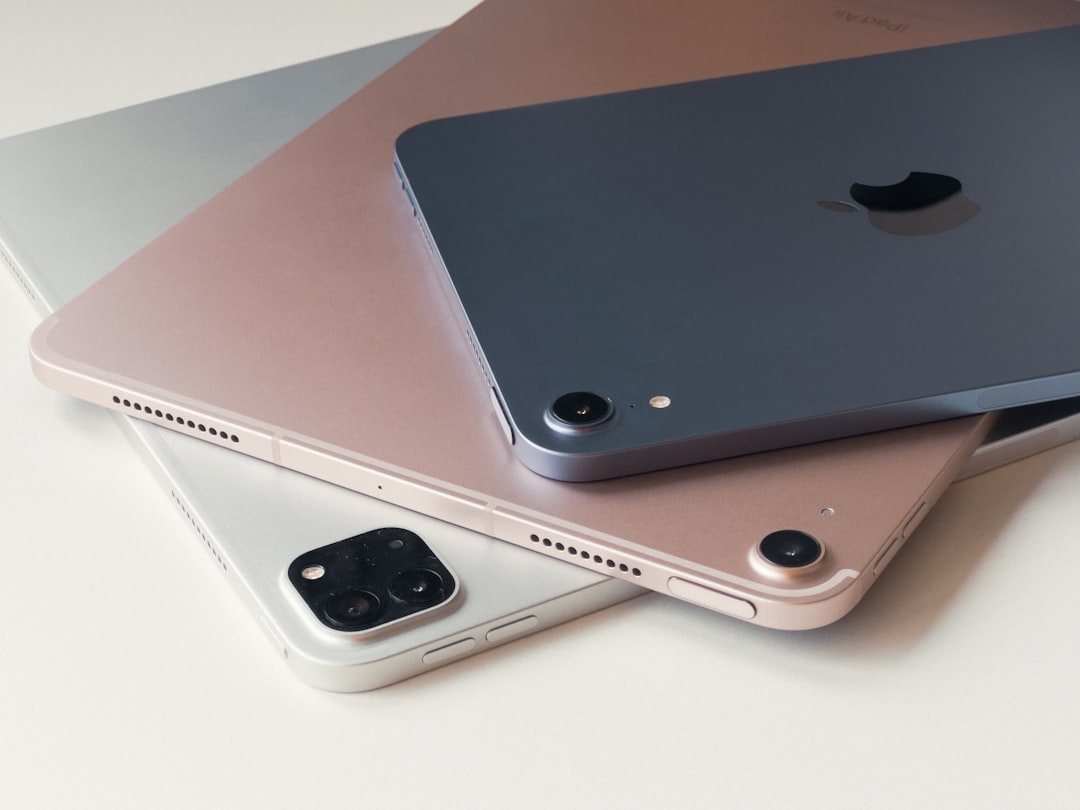
The Framework Laptop 13 Pro introduces a CNC aluminum chassis and upgraded internals, appealing to Linux users and modularity enthusiasts.
The Framework Laptop 13 Pro is positioned as the most premium device yet from Framework, a company known for its focus on modular and repairable laptops. While some have called it the “MacBook Pro for Linux users,” it remains to be seen if this new iteration can live up to such lofty expectations. What’s certain, however, is that the 13 Pro brings some noteworthy upgrades that make it stand out in the growing modular laptop market.
A Solid Design Improvement
For the first time, the Framework Laptop 13 Pro features a CNC machined aluminum chassis. This upgrade brings a higher-end feel to the device, addressing criticisms from earlier models about their relatively utilitarian build quality. In hands-on testing and teardown evaluations, the CNC chassis reportedly enhances the laptop’s tactile experience without compromising its hallmark modularity. This is a step forward for Framework as it strives to balance premium aesthetics with practical upgradability.
The keyboard and touchpad have also seen improvements. These components, integral to any laptop experience, reportedly offer a better feel while retaining their replaceable nature. These adjustments address one of the critical areas where customers compare Framework laptops to non-modular premium devices like the MacBook Pro.
Under the Hood
The Framework 13 Pro is equipped with Intel’s Core Ultra Series 3 processors, representing an upgrade in power and efficiency compared to previous models. Details about performance benchmarks are not yet available, but the decision to include these newer chips suggests a focus on competing with high-performance laptops.
The laptop also features LPCAMM2 memory and a larger battery. The improved battery capacity could be a critical factor as Framework seeks to address one of its weaker points in the past—battery life. Whether these updates result in performance and longevity on par with the MacBook Pro remains to be seen, and those answers will likely come with full reviews closer to the laptop’s launch, which is set for June.
Torn Down Easily
Modularity remains the Framework Laptop 13 Pro’s defining feature. The company has consistently emphasized user-repairability and upgradability, and nothing about this new, more premium design changes that approach. Early teardowns of the device reveal that the new chassis design doesn’t interfere with the easy replacement of components, a hallmark of Framework’s engineering philosophy. Users can still expect to swap out parts like storage, RAM, and more without needing specialized tools or risking damage to the device.
Unanswered Questions and Expectations
While the Framework 13 Pro’s hardware upgrades look promising, several questions remain. Can it deliver the kind of battery life and performance that premium laptop users expect? Will it appeal to a broader audience beyond Linux users and modular laptop enthusiasts?
Framework's commitment to modularity ensures that laptop owners won’t have to replace their entire device when a component becomes outdated or fails. This focus sets it apart in a market where repairability is often sacrificed for sleek designs. However, competing head-to-head with established premium laptops like the MacBook Pro requires not just modularity but top-tier polish in performance, battery life, and design.
As the launch date approaches, prospective buyers, especially those in the Linux community, will be watching closely. For now, the Framework Laptop 13 Pro highlights the company’s increasing sophistication in building laptops that cater to modularity enthusiasts without compromising on build quality.
It’s All About the Tradeoffs
The Framework Laptop 13 Pro isn’t trying to be all things to all people. What’s becoming clear is that Framework is honing in on a niche of users who value repairability and modularity but still want high-quality hardware. Whether it succeeds in expanding its appeal to a broader market will depend on feedback from in-depth reviews and buyer adoption once the product hits shelves in June.
Regardless, the 13 Pro represents a significant step forward in modular laptops and could be a turning point in how users view the tradeoffs between modularity and premium design.
Staff Writer
Alex covers consumer electronics, smartphones, and emerging hardware. Previously wrote for PCMag and Wired.
Comments
Loading comments…


