Framework wireless keyboard aims to replace your couch companion
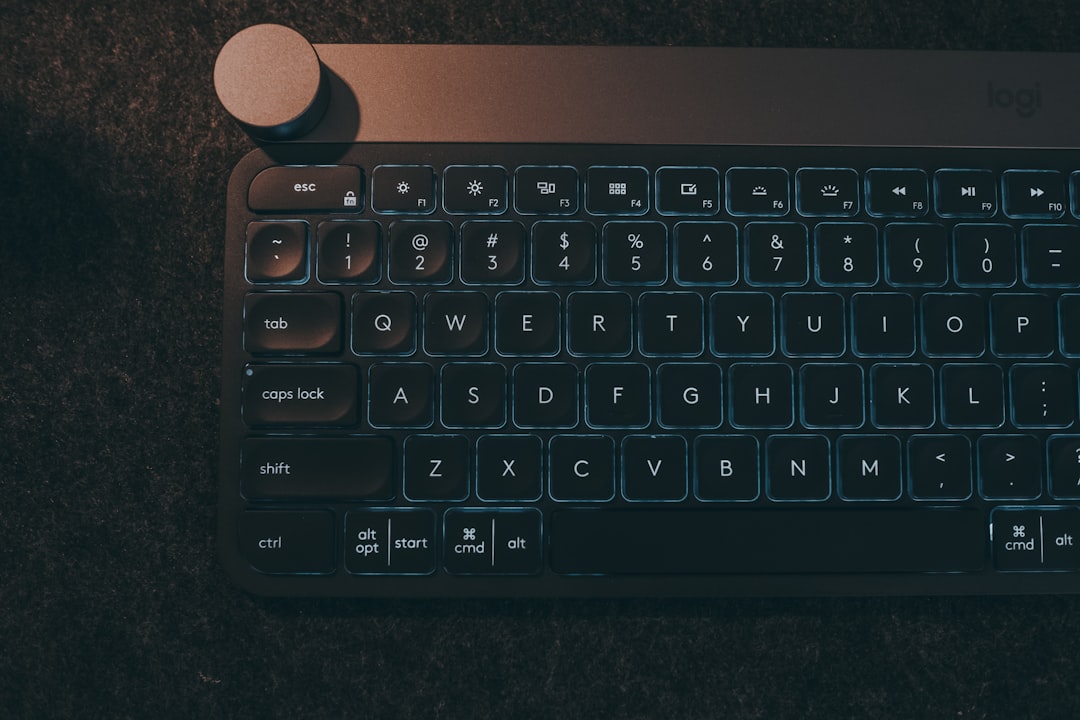
Framework's wireless keyboard challenges the Logitech K400 with modern features like Bluetooth pairing, modularity, and improved usability.
For years, the Logitech K400 has been a go-to keyboard for living room setups. Compact, lightweight, and sporting a built-in touchpad, it’s found a home on couches everywhere for casual users managing smart TVs or media PCs. Yet, as many would attest, the K400 is not without its quirks. Its squishy keys, unreliable touchpad, and overall dated design have long invited criticism even from its most loyal users. Now, a new contender has entered the scene, promising to elevate the couch keyboard experience: the Framework wireless keyboard.
Redefining Living Room Keyboards
Framework’s wireless keyboard concept builds on a familiar premise but modernizes it for today’s tech-savvy crowd. At its heart lies versatility. It offers connections via a wireless USB-A dongle, but that’s just the beginning. The dongle can be neatly tucked into the keyboard’s back or integrated seamlessly into a Framework laptop by using one of its modular expansion cards. This cohesive design option is a thoughtful touch, particularly for users of Framework’s modular laptops.
Additionally, the keyboard supports up to four Bluetooth pairings. A simple toggle above the touchpad allows users to switch between paired devices with ease. This makes it a practical pick for multitasking across devices, whether it's a PC, TV, or tablet.
Improved Typing Experience
By most accounts, the Framework keyboard significantly ups the ante on typing comfort. A user testing the device for the first time achieved approximately 93 words per minute on Monkeytype, which speaks to its responsive and user-friendly build. Unlike the Logitech K400’s squishy keys, the Framework keyboard is described as sleek, slim, and inviting—a stark contrast to the clunky feel many users associate with the former.
While Framework’s lead, Nirav Patel, humorously noted that the K400 is "the keyboard everybody uses but nobody likes," the sentiment rings true for those who’ve dealt with its limitations. The Framework wireless keyboard brings a refreshing alternative that doesn’t just inherit the K400’s practical attributes but actively addresses its shortcomings.
Compact Design for Modern Spaces
One of the Framework keyboard’s most appealing traits is its slim profile. In a time when sleekness and portability reign supreme, a compact design is essential—not just for looks but for functionality in cluttered living spaces. This keyboard is smaller and slimmer than the K400, making it easier to store or carry between rooms. It’s clearly built for the modern living room setup, balancing aesthetics with usability.
Modularity and Adaptability
Another significant edge that the Framework keyboard has over its competition is modularity. The option to embed the wireless receiver into the expansion slot of a Framework laptop is a testament to the company’s vision for cohesive, user-centered design. While it works universally across devices, Framework users, in particular, gain a distinct advantage as they can minimize external clutter by integrating the dongle into their existing laptop setup.
And even for those who don’t own a Framework device, the keyboard’s inclusion of adaptable Bluetooth functionality makes it widely compatible with an array of systems. The focus isn’t just on creating a proprietary device but rather something that appeals to a broader audience.
A Viable K400 Alternative?
Logitech’s K400 has long been dominant in this niche for lack of serious challengers, but with the Framework wireless keyboard, the status quo may shift. Framework appears to have dissected K400’s pain points—clunky keys, bulky design, and a lack of modularity—and answered with a product that fits snugly into modern tech ecosystems, while also being something you’d actually enjoy using.
This isn’t to suggest the Framework keyboard is flawless. Framework is still a relatively small player compared to a giant like Logitech, which means availability and support could be less predictable. Additionally, pricing details are currently unknown, and the cost may factor prominently into whether this keyboard has the widespread appeal to dethrone the K400.
Why It Matters
The Framework keyboard isn’t just a product—it’s an example of the growing demand for modular tech that prioritizes user experience. As more companies experiment with personalized functionality and sustainable design, Framework’s approach represents a shift toward better, smarter everyday accessories. You shouldn’t have to compromise on usability for the sake of compatibility, and the Framework keyboard seems intent on bridging that gap.
What’s Next
Although the Framework keyboard hasn’t officially launched yet, excitement around its potential is legitimate. Even users who’ve never owned a Framework laptop find the keyboard’s modularity, build quality, and seamless pairing options appealing. For Logitech K400 loyalists—or for those who’ve tolerated the K400 because it was the only real option—this could be the upgrade they’ve been waiting for.
If you’re in the market for an improved couch keyboard solution, this is worth keeping an eye on. Whether or not it dethrones Logitech’s stalwart K400, Framework’s newcomer is clearly intent on raising the bar for what a living room keyboard can be.
Staff Writer
Sarah reports on laptops, wearables, and the intersection of hardware and software.
Comments
Loading comments…


