Intel Core Ultra 270K Plus and 250K Plus Review: New Gaming CPUs Redefine Price-to-Performance
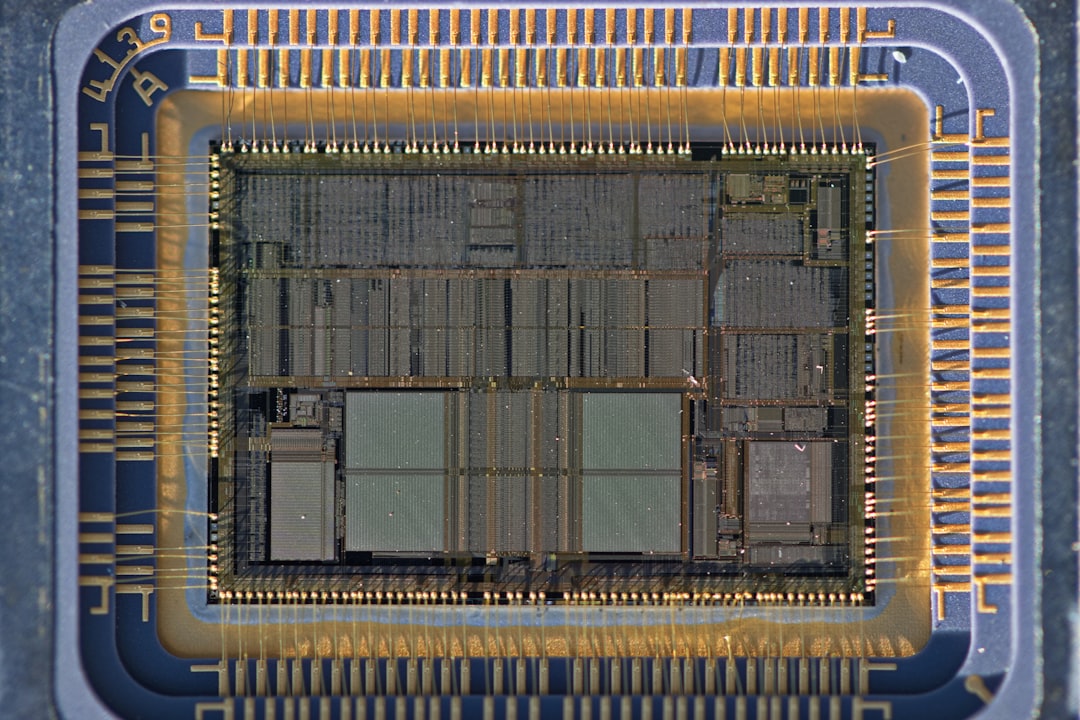
Intel's Core Ultra 270K Plus and 250K Plus CPUs challenge AMD's best with competitive pricing and strong gaming performance.
Intel has made a bold statement with the release of the Core Ultra 270K Plus and 250K Plus CPUs. Marketed as highly competitive pricing champions for gamers, these processors aim to provide upmarket performance without an upmarket price tag. Let’s break down how they stack up against AMD’s alternatives and discuss the upgrades Intel made under their Aerrol Lake architecture.
Intel’s Price-to-Performance Gamble
AMD, with its Ryzen X3D lineup, has dominated the gaming CPU market recently. The Ryzen 7 9850 X3D is still regarded as the pinnacle for high-performance gaming. However, Intel’s Core Ultra 270K Plus, priced at $300, promises to deliver 95% of its performance at just 60% of the price. Meanwhile, the even more budget-friendly 250K Plus is launching at $200.
Despite being direct competitors to the Ryzen lineup, these new CPUs undercut AMD significantly. For comparison:
| Model | Price | Competes With | Performance (Gaming) |
|---|---|---|---|
| Intel Core Ultra 270K Plus | $300 | AMD Ryzen 9800 X3D/9850 X3D | 5% behind Ryzen 9800 X3D 1% lows |
| Intel Core Ultra 250K Plus | $200 | AMD Ryzen 9600X/9950X | 5-10% better than Ryzen 9600X |
The pricing alone is enough to turn heads, but Intel’s competitive streak doesn’t end there.
Gaming Benchmarks: Holding Their Ground
The Core Ultra 270K Plus and 250K Plus have proven their mettle across various popular gaming titles:
- City Skylines 2: The 270K Plus edges close to AMD’s flagship 9800 X3D, outpacing Intel’s previous flagships.
- Cyberpunk 2077: The 270K Plus scores podium finishes for Intel, while the 250K Plus surpasses even AMD’s premium models like the Ryzen 9950X.
- F1 24 (1080p): AMD retains the crown as the 9700X leads, but Intel’s 250K Plus doesn’t trail far behind.
- Counter-Strike 2: This is where AMD’s mid-range chips, like the 9600X, closely contest the Ultra CPUs, showcasing a reduced Intel lead.
Notably, Intel’s key strength lies in prioritizing 1% lows, which significantly impact smooth gaming performance. The trade-off is a slight edge for AMD in average frame rates in certain scenarios. However, for most gamers, maintaining low frame drops makes Intel’s Core Ultra processors an attractive option.
Productivity Benchmarks: Multi-Core Powerhouses
In addition to gaming, Intel has positioned these CPUs as productivity powerhouses with industry-leading multi-core performance:
- Blender: The 250K Plus outshines AMD’s similarly priced competition while the 270K Plus keeps pace with AMD’s high-end Ryzen 9950X.
- Cinebench: The 270K Plus claims the top spot for multi-core workloads, further cementing its price-to-performance dominance.
- 7zip and File Compression: Both processors crush expectations, although there’s a slight edge for AMD in select Photoshop tasks.
For mixed-use scenarios, such as content creation combined with gaming, these chips deliver top-notch returns.
Architectural Changes and Additions
What empowered Intel’s Core Ultra 270K Plus and 250K Plus to achieve these results? Here are the changes Intel made to refresh the Aerrol Lake architecture:
- Increased clock speeds for both P-cores and E-cores.
- Tweaked uncore frequencies for better memory and internal communication performance.
- Added additional E-cores, offering more overall processing power.
- Included larger shared cache sizes for both CPUs, optimizing data access.
These structural upgrades enable better synergy among components, leading to faster performance at lower costs.
Efficiency and Thermals: A Balanced Approach
After several releases where power consumption was a significant downside, Intel has managed to improve efficiency. However, some trade-offs remain:
- Power Consumption: Under gaming workloads, the 250K Plus and 270K Plus exhibit a 10% power increase over their predecessors but maintain lower averages than AMD’s competing chips. In productivity tasks, power use is still high but provides unmatched performance for the wattage consumed.
- Thermals: Both CPUs performed well under strict thermal constraints during testing. The chips handle heat efficiently, avoiding the 115°C danger zone Intel accommodates while providing an operational TDP ceiling of 105°C.
Intel’s Software Enhancements: The IBOT Advantage
Beyond hardware, Intel introduces its Intel Binary Optimization Tool (IBOT). This software feature redirects functions within applications to optimize for Intel chips. While IBOT claims up to 20% performance boosts in certain applications, real-world testing revealed more modest results.
It does enhance performance but is situational and software-dependent. Disappointingly, this feature may not extend to non-Plus CPUs, isolating optimization to the newest lineup for now.
Practical Takeaways for Buyers
- Gaming Performance: These CPUs offer excellent value, achieving high 1% lows and strong average frame rates. Gamers on a budget should consider the 250K Plus, while the 270K Plus provides premium-level performance.
- Productivity: For multitaskers or content creators, the 270K Plus is at the top of the charts, delivering better productivity performance than AMD competitors at its price point.
- Efficiency: Despite slight power consumption increases, these CPUs maintain better thermals and power draw averages compared to AMD’s options.
- Consider Future Compatibility: While IBOT offers potential, its limited applicability across further hardware creates uncertainty. Windows and software support may dictate its success.
Final Thoughts
Intel’s Core Ultra 270K Plus and 250K Plus CPUs challenge AMD in both gaming and productivity at pricing that cannot be ignored. If this cost-to-performance ratio remains steady at retail, Intel’s competitors might need significant adjustments to pricing or innovation to stay competitive. For now, Intel has reclaimed ground, making a compelling case for any new gaming or productivity build in 2024.
Whether you’re gaming, working, or both—these chips deliver where it counts without breaking the bank.
Staff Writer
Sarah reports on laptops, wearables, and the intersection of hardware and software.
Comments
Loading comments…


