Microsoft’s K2 Initiative: A Multi-Year Plan to Finally Fix Windows 11
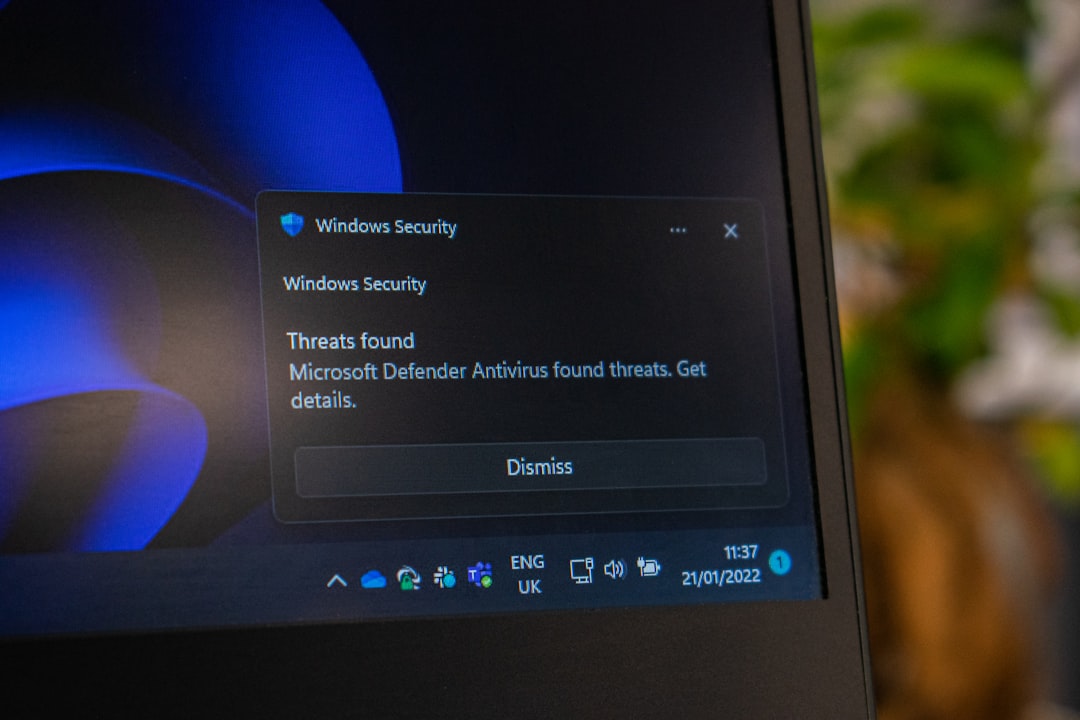
Microsoft has launched an internal effort called K2 to overhaul Windows 11’s performance, remove ads, and win back user trust. Details from the May 1 WAN Show.
Microsoft has finally acknowledged what many users have felt for years: Windows 11 has deep quality problems. According to details shared on the May 1 episode of the WAN Show, the company has launched an internal initiative codenamed K2 — a concerted effort to fix the operating system’s biggest pain points, shift focus from shipping new features to improving quality, and win back user trust.
The plan is not a single patch but an ongoing campaign that reportedly began in the second half of 2025, with changes rolling out through 2026 and into 2027. The initiative addresses the Start menu, File Explorer, Windows Update, the taskbar, and gaming performance — with some truly eyebrow-raising benchmarks.
A Start menu that actually starts
One of the most visible changes is a complete rewrite of the Start menu using Microsoft’s own WinUI3 framework. The company claims this will make the Start menu 60 percent faster and more responsive.
That number is striking because it implies the current Start menu is needlessly slow. On modern hardware, launching a list of applications and search results should be nearly instantaneous. The fact that Microsoft sees a 60 percent improvement as a target suggests the current implementation — reportedly built with React Native — was carrying unnecessary overhead. Dropping down a layer to WinUI3 should eliminate that bloat.
The WAN Show hosts noted that the whole notion of a native part of Windows being a React Native app was wild. For users, the practical benefit will be a Start menu that opens on click, not after a pause.
Ads are leaving the Start menu
Microsoft is also reportedly removing ads from the Start menu. The WAN Show commentary was blunt: this is like a restaurant sales decline being addressed by “making food fresh.” It shouldn’t have been there in the first place. But the removal is a tangible signal that the company is serious about quality over monetization.
File Explorer: chasing a one-man indie app
Perhaps the most embarrassing admission in the K2 initiative is the File Explorer performance benchmark. Microsoft is using a third-party file manager called File Pilot as the performance target they want to beat.
File Pilot is developed by a single Croatian developer — a Catholic husband and father of five. The fact that a multi-trillion-dollar company with tens of thousands of engineers is benchmarking its most fundamental file management tool against a solo developer’s project is a staggering indictment of Windows File Explorer’s current state.
The WAN Show hosts demonstrated File Pilot, showing features like system command search and instant directory navigation. It’s the kind of performance that makes Windows’ built-in Explorer feel like a relic. Microsoft has reportedly acknowledged this gap and is working on major performance fixes to close it.
Windows Update: monthly restarts as a goal
Windows Update is getting a rework with the stated target of making Windows 11 reliable enough that you only need to restart once a month. That may sound modest, but for anyone who has been forced into surprise reboots for “critical” updates multiple times a month, it would be a meaningful improvement. The initiative aims to reduce update frequency and ensure updates are less disruptive.
Taskbar freedom returns
The taskbar, which was locked in place and non-resizable in Windows 11 at launch, is getting back the ability to be moved and resized. This was one of the most complained-about changes from Windows 10. The K2 plan restores that flexibility.
Gaming: chasing Steam OS on Windows hardware
Gaming performance is a key pillar of K2. Microsoft is reportedly treating Valve’s Steam OS — a Linux-based operating system designed for the Steam Deck — as a performance benchmark. They want Windows gaming performance to be comparable to Steam OS on identical hardware.
This is remarkable. Steam OS does not run Windows games natively; it relies on Proton translation layer. Yet Microsoft feels the need to catch up to it. The WAN Show hosts noted that this is probably the best marketing Valve could never have bought. The reason for this priority: the next Xbox, codenamed Helix (or Project Helix), is reportedly going to run Windows 11. Microsoft needs Windows to deliver a console-like, low-overhead gaming experience out of the box.
Can Microsoft actually win users back?
The WAN Show hosts framed this as a core question. One host said he believes it’s possible because most users haven’t actually left yet. They are frustrated but still on Windows. He himself has switched to Linux — Mint on his laptop, CachyOS on his desktop — and plans to stick with Linux even after his challenge ends. But he emphasized that he uses whatever tool gives him the least frustration and the most productivity. If Windows improves, he would consider returning.
The other host pointed out that Microsoft is setting a low bar: beating a Linux gaming environment that doesn’t even run Windows games natively, beating a one-man file manager, and aiming for just one restart per month. If that’s the benchmark, then “K2” seems more like a confession than a goal.
Why this matters now
Microsoft’s reputation with Windows users has eroded steadily over the past few years. Aggressive advertising, forced Microsoft account login, inconsistent performance, and the removal of popular features like taskbar ungrouping have driven many power users to consider alternatives. The K2 initiative is a rare admission that the ship has sailed too far in the wrong direction.
But delivering on these promises will require sustained effort and cultural change inside the Windows division. The company has a history of grand plans that fizzle out (remember Windows 10X?). K2’s multi-year timeline suggests they understand it won’t be quick.
For users, the key question isn’t whether Microsoft can fix Windows 11 — it’s whether they can do it before enough people decide they’re done waiting. The WAN Show discussion suggests that if Microsoft executes, the door is still open. But the longer delays persist, the more comfortable people get with Linux, macOS, or even ChromeOS.
The bottom line
Microsoft has, in effect, promised to stop making its product worse and start making it better. That shouldn’t be a bold strategy — it should be table stakes. But for a company that spent years prioritizing ads and feature churn over polish, K2 represents a genuine course correction.
The fixes described — faster Start menu, ad-free experience, File Explorer that can compete with an indie developer’s tool, fewer reboots, resizable taskbar, and gaming performance that matches a Linux handheld OS — all sound like things Windows 11 should have shipped with. If Microsoft can deliver, users may give the company a second look. If not, the exodus will only accelerate.
Staff Writer
Alex covers consumer electronics, smartphones, and emerging hardware. Previously wrote for PCMag and Wired.
Comments
Loading comments…


