The Sam Altman Paradox: OpenAI's Visionary Leader or a Dangerous Gambler?
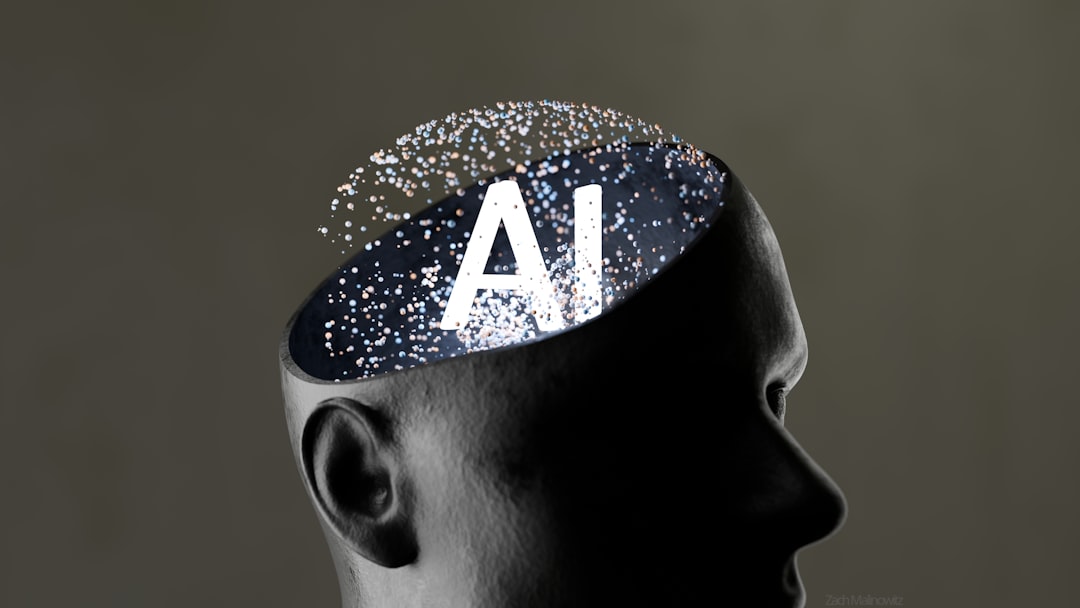
A deep dive into the New Yorker profile of Sam Altman reveals sharp contradictions: a man charting the future of AI while inviting distrust.
Sam Altman, the CEO of OpenAI and a prominent figure in the artificial intelligence landscape, has long been a controversial and enigmatic personality. This week, the debate around Altman took center stage with a New Yorker profile that paints a complex picture of the man driving one of the most consequential companies in tech. While the article examines the evolution of OpenAI and its technology, the biggest takeaway is arguably about Altman himself. Is he a visionary technologist with the world’s best interest at heart, or a power-hungry risk-taker playing with forces he doesn't fully control?
The Double-Edged Personality
The New Yorker article delves into what it describes as Altman’s ability to "talk out of both sides of his mouth." This reflects the duality in his leadership style: presenting himself as principled and mission-driven on one side, while being willing to make compromises and sacrifices on the other. Those who work closely with him are no strangers to this contradiction. These traits may have contributed to his temporary ousting from OpenAI in late 2023—a move shrouded in corporate intrigue but reportedly tied to long-standing concerns about trust and consistency.
The article suggests Altman’s sociopathic tendencies, an interpretation that, while severe, underscores the high-stakes environment in which he operates. This is not an accusation of malice but rather a critique of his calculated pragmatism. Altman is willing to proceed in ways that may alienate those whose trust he has already courted. And in a field like AI, where public trust and corporate integrity are pivotal, these tendencies raise uncomfortable questions about the values driving OpenAI under his leadership.
Stumbling Into Scale
Another critical thread in the profile is OpenAI’s remarkable ascent to a Google-scale enterprise. For Altman, OpenAI wasn’t initially conceived to become the kind of monetized behemoth it is today. Yet, the organization’s meteoric growth, fueled by the viral success of ChatGPT and other AI tools, has effectively forced Altman and his team to scale at breakneck speed.
The profile argues that OpenAI’s vast expansion masks larger operational and strategic shortcomings. It suggests that Altman and his team are relying on the momentum of this growth to "paper over" cracks in the foundation of their business. For a company striving to align artificial general intelligence (AGI) with humanity's well-being, this lack of foresight could be troubling. Becoming "the next Google" isn’t something you stumble into, the report implies—it requires deliberate planning.
The Risks of Trusting Altman
OpenAI, despite its achievements, operates under a cloud of mistrust that might stem from Altman’s leadership. Public figures and competing technologists have often accused Altman of skating between profit motives, ethical concerns, and public narratives in ways that are difficult to reconcile. Even those who commend OpenAI's innovation struggle with how the company justifies its rapid deployment of technologies that it admits could have unintended consequences.
Critics say that Altman's openness to reversing course—such as iterating on safety guidelines or engaging policymakers—feels less like genuine accountability and more like shrewd repositioning. Could OpenAI’s leader, critics ask, simultaneously champion AI safety while fast-tracking adoption? The sooner humanity embraces these tools at scale, the harder it becomes to rein in their risks. Herein lies another paradox of Altman’s dynamic but divisive leadership.
What’s Next for OpenAI?
Where does this leave OpenAI—and by extension, Sam Altman? Looking ahead, the organization's growth will need to address concerns about sustainability, governance, and public trust. Although Altman’s strengths as a leader include his ability to anticipate trends and follow through with big, bold bets, the company will need more than a figurehead visionary. OpenAI must demonstrate that it can operate as an institution with robust, transparent, and accountable structures.
The New Yorker's report offers no easy answers on Altman’s character, instead presenting a man whose complexity mirrors that of the technology he’s crafting. To some, Altman’s willingness to push boundaries makes him the perfect leader for a field as transformative and challenging as AI. To others, his contradictions are too glaring to ignore in an era when trust in tech leaders has never been more tenuous.
Broader Implications
Altman’s story is emblematic of a broader tension within the AI industry: the race to innovate versus the responsibility to safeguard humanity's future. As OpenAI projects itself as a leader in this space, any failings in its governance or leadership carry implications for the entire sector. Whether it’s the safe development of AGI systems or the regulation of increasingly powerful AI models, the stakes are high, and there remains little room for error.
Ultimately, the question underpinning all of this is whether Altman’s contradictory traits will lead OpenAI to become a true force for good—or a cautionary tale about unchecked ambition in the tech world.
Staff Writer
Sarah reports on laptops, wearables, and the intersection of hardware and software.
Comments
Loading comments…


