Windows Laptops Face Prominent Challenges as Apple Expands Its Lead
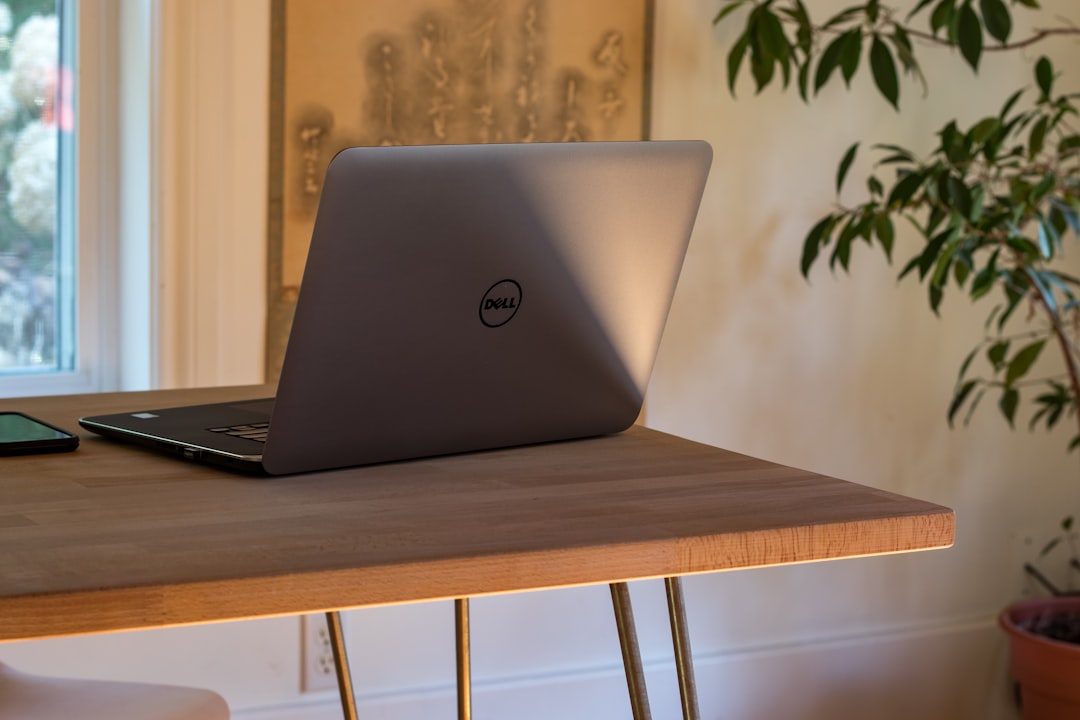
Apple’s latest MacBook Neo and MacBook Pro shake the laptop market as Windows devices face integration and value challenges.
Apple has made waves in the laptop market with two significant product releases: the $600 MacBook Neo and a revamped, ultra-powerful MacBook Pro lineup. The new options, ranging from budget-friendly to high-end creative workhorses, do more than just refine Apple's offerings—they highlight ongoing struggles for Windows laptops, both at the low- and high-end price points. With hardware integration, software efficiency, and build quality that often set Apple machines apart, the cracks in the Windows laptop ecosystem are becoming harder to ignore.
Apple’s Strategic Releases: Neo and the New MacBook Pros
Apple's recent releases demonstrate their ability to cater to a broad spectrum of users. The $600 MacBook Neo reflects the company’s effort to deliver a premium product for an entry-level price point— a departure from the $1,000 starting price that had historically characterized new Macs. With its aluminum body, solid keyboard, and optimized performance due to Apple's tightly integrated hardware and software, the Neo has disrupted the budget laptop scene.
On the other end, the new MacBook Pros target creative professionals with unparalleled power. The M5 Max model not only dominates Apple's benchmark records but also surpasses the performance of the $10,000 Mac Pro with its M2 Ultra chip. Offering up to 20,000 MB/s read-write SSD speeds, these machines don’t just solidify Apple's premium reputation—they redefine industry standards.
These models represent two extremes: an accessible entry point for first-time Mac users and an out-of-reach powerhouse for high-end professionals. Together, they illustrate why the broader Windows laptop market is under stress.
The Challenges for Windows Laptops
The Fragmented Windows Ecosystem
One of Windows's biggest strengths—variety—is also becoming its Achilles' heel. A Windows laptop isn’t a singular product but a collaborative result of efforts from multiple companies: hardware manufacturers, chip suppliers, and Microsoft’s operating system team. For a device like the new Dell XPS 14 to thrive, everything needs to align: Dell's hardware design, Intel’s processor technology, and Microsoft’s Windows interface.
Take the Dell XPS 14, a $2,200 premium ultrabook featuring:
- A 2.8K 14-inch tandem OLED display with 120Hz refresh rate
- An Intel Core Ultra 300 series processor with integrated GPU
- 32GB DDR5 RAM, 1TB SSD, and three Thunderbolt 4 ports
While this configuration delivers strong performance, minor drawbacks like shallow keyboard ergonomics, awkward lid openings without an alternative grip, and the absence of an SD card slot limit its appeal. Moreover, each Windows laptop must contend with obtrusive software experiences, including unskippable updates, mandatory sign-ins, and even ads—issues that sap the premium feel of these devices.
User Frustrations with Windows
When setting up a $2,000 laptop like the Dell XPS 14, buyers might expect a seamless experience. Instead, they are greeted with a 45-minute setup process filled with forced Windows updates, intrusive Microsoft service prompts, and even promotional ads from third-party companies like McAfee. Such experiences stand in stark contrast to Apple's macOS, which focuses on minimalist design, clean onboarding, and unobtrusive software.
Microsoft’s recent emphasis on AI features—such as requiring a dedicated "Co-pilot" button for laptops to be certified as AI-ready—has added complexity without clear user benefit. This strategy feels out of sync with user priorities, especially at these price points, further widening the disparity between macOS and Windows software experiences.
Apple’s Impact on Both Ends of the Market
The Budget Segment: MacBook Neo vs. Windows Laptops
Windows laptops have traditionally dominated the affordable laptop category by offering diverse options. Devices like the Acer Aspire 16, which can be found for around $550, appeal to budget-conscious buyers who prioritize basic functionality. Despite trade-offs like plastic bodies, screen flex, and average performance, laptops like these offer good enough value for light tasks such as web browsing and video watching.
But with the arrival of the MacBook Neo at just $600 ($500 with an education discount), Apple has introduced an accessible gateway to the Mac experience. The Neo offers:
- An aluminum enclosure typically seen in premium models
- Optimized performance through Apple Silicon (A18 Pro)
- macOS, which is free of bloatware or forced advertising
- Seamless integration with other Apple products
The Neo’s lower price results from Apple’s vertical integration, allowing them to produce efficient chips inexpensively. Additionally, Apple’s strategy centers on creating long-term users who subscribe to services like iCloud or Apple Music. This makes the Neo not just competitive but attractive, even for budget-conscious buyers.
The High-End Market: Windows Power Laptops vs. MacBook Pro
Windows laptops still dominate segments like gaming, where customizable hardware such as the Razer Blade offers discrete GPUs like NVIDIA RTX 5070. For video editors, 240Hz displays paired with powerful chipsets also appeal to specific needs. But this is a niche, requiring consistent high-level performance from multiple suppliers.
Apple’s MacBook Pro advantages include vertical integration, which optimizes the macOS and Apple Silicon pairing while maintaining a focus on creative professionals. Buyers in this category, who prioritize stability, often find Apple’s no-compromise MacBook line hard to resist.
| Category | Windows laptops (e.g., Dell XPS 14) | Mac laptops (MacBook Pro) |
|---|---|---|
| Build Quality | Varies depending on manufacturer | Uniform, high-quality aluminum |
| Integration | Reliant on multiple vendors | Tight hardware-software sync |
| User Experience | Ads, intrusive setup, bloated OS | Clean, minimal macOS |
| Price Range | Widely variable | Premium, but now starting lower |
Practical Takeaways for Buyers
-
Budget Buyers: If you’re considering a laptop under $700, the MacBook Neo becomes a compelling option, especially for casual or academic use. Windows laptops like the Acer Aspire 16 can still serve those needing specific software unavailable on macOS.
-
Professional Users: Creative professionals looking for stability and premium hardware should consider the new MacBook Pros, especially given Apple’s improved GPU and SSD capabilities.
-
Windows-Specific Use Cases: If you’re a gamer or rely on Windows-only software, high-end options like the Razer Blade or Dell XPS series may still suit your needs, but be prepared for quirks and compromises in both hardware and software.
Conclusion
Apple's commitment to efficiency and user experience is reshaping the laptop market at both ends. As the new MacBook Neo and MacBook Pros set benchmarks in their respective categories, the scattered Windows ecosystem faces mounting challenges. Without significant improvements in integration, performance, and user experience, Windows laptops risk losing market share, particularly among new buyers drawn to Apple’s enticing entry-level offerings like the Neo.
Staff Writer
Alex covers consumer electronics, smartphones, and emerging hardware. Previously wrote for PCMag and Wired.
Comments
Loading comments…


