70% of college students see AI as a job threat, influencing major choices
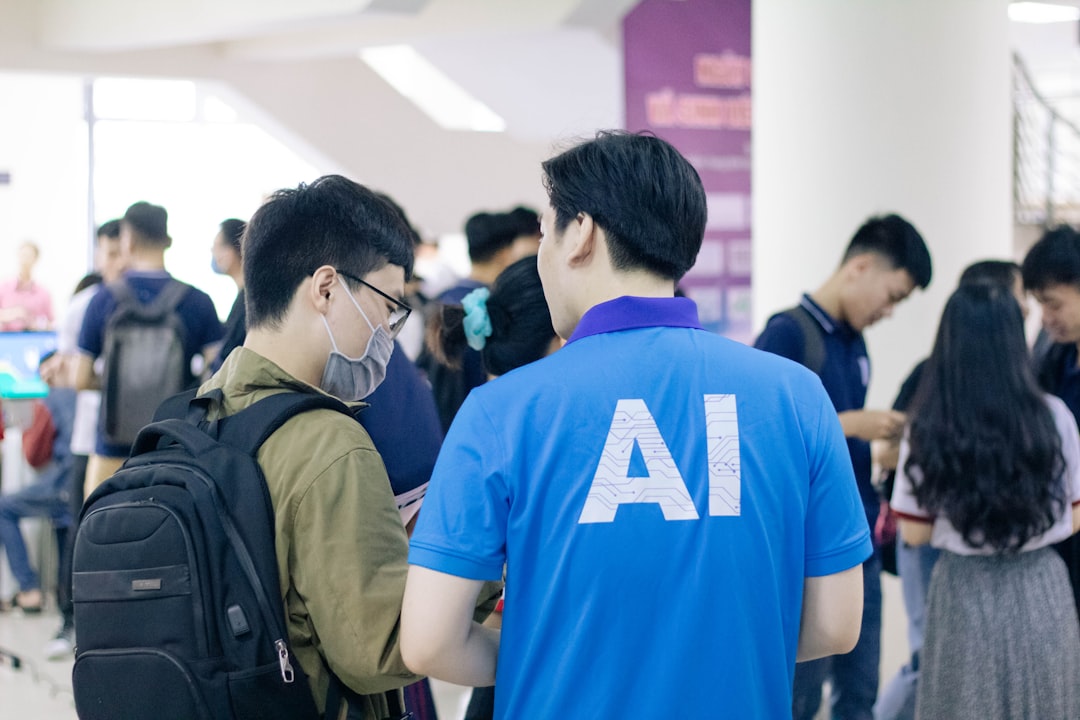
A new poll finds that 70% of students view AI as a job threat, prompting a shift in college major choices toward 'AI-proof' fields.
As artificial intelligence continues to reshape industries, a new poll has revealed that 70% of college students perceive AI as a threat to their future job prospects. This growing concern is influencing how students select their fields of study, increasingly steering them toward what they believe are "AI-proof" majors—disciplines with skills that are harder for artificial intelligence to replicate.
The rise of "AI-proof" career strategies
The poll's findings indicate a significant shift in how students view the job market and their place within it. With automation increasingly capable of handling tasks across domains like data analysis, content generation, and even customer service, many students are reassessing their career trajectories. Instead of focusing on fields heavily intertwined with technology, they are turning to disciplines that emphasize human creativity, interpersonal connection, or other uniquely human attributes.
Fields such as the arts, social sciences, and healthcare are reportedly gaining attention. These areas are perceived as less vulnerable to AI advances due to their reliance on emotional intelligence, complex ethical decision-making, and deeply personal interactions—attributes that AI systems have yet to master. Similarly, skilled trades and hands-on work like carpentry or plumbing are also cited as "safer" from the immediate impact of automation.
Why students are worried
Students' concerns are not unfounded. In recent years, AI tools like ChatGPT, MidJourney, and DALL-E 2 have demonstrated advanced capabilities in language processing, image creation, and problem-solving—fields traditionally dominated by human professionals. For instance, in journalism, AI-generated content is increasingly common, while algorithms are also making inroads in coding and software development tasks. The accelerating pace of these advancements raises legitimate fears about job market saturation and reduced opportunities for future graduates.
For many, the concern is less about the replacement of entire professions but more about the erosion of entry-level roles, which are critical for gaining experience. If AI can accomplish tasks typically associated with new hires, such as conducting research, drafting reports, or managing data entry, students worry that they could struggle to find a foothold in their desired careers.
Shaping academic decisions
This anxiety is not only shifting students' major choices but is also pushing universities to adapt. Some institutions are adjusting their curricula to address these concerns, embedding AI literacy into a variety of disciplines. Courses on human-centered design, critical thinking, and adaptability are gaining prominence, aimed at preparing students to augment AI systems rather than compete against them.
On the other hand, some students see opportunity in learning to work with AI. Fields like machine learning, robotics, and AI ethics are still attracting strong interest among those who believe that understanding artificial intelligence is key to staying relevant in a tech-driven world.
Potential limitations
While moving toward "AI-proof" majors may seem like a reasonable response, the assumption that certain fields are fully safe from automation is not without its critics. Some experts argue that as AI evolves, even creative and emotionally driven industries may come under threat. For example, AI systems capable of composing music or generating artwork are narrowing the gap in human creativity, prompting questions about how “safe” the arts truly are.
Moreover, the emphasis on "AI-proof" skills could inadvertently lead to a concentration in specific industries, potentially oversaturating those job markets. If too many students shift into the same fields, it could create new challenges rather than solve existing ones.
Broader trends in the workforce
This shift in academic and career preferences reflects a broader trend in the workforce. Fear of automation has been a persistent concern across generations, with previous waves of technological change displacing workers in manufacturing, agriculture, and other sectors. The key difference today is that AI's impact feels less confined to specific industries, as its applications span an ever-growing number of fields.
For students today, the task is clear: position themselves for a future in which automation continues to expand its footprint. Whether that means doubling down on the humanities, entering healthcare, or mastering AI systems themselves, the current generation of learners is actively reevaluating traditional career paths.
What universities and employers can do
Institutions of higher education and employers both have a role to play in easing this transition. Universities have already begun incorporating AI ethics and interdisciplinary approaches to their offerings, but the scope needs to be broader. Preparing students for flexibility and lifelong learning may be one of the most effective ways to future-proof their careers.
Employers, meanwhile, need to address job market fears head-on. By outlining the roles AI will play in their industries and offering clear paths for human employees to succeed alongside intelligent systems, organizations can help reduce uncertainty. Investment in ongoing education and skill development for employees can also play a role.
Final thoughts
The 70% figure highlighted in this poll underscores a generational shift in attitudes toward artificial intelligence. While AI-driven transformation creates immense potential for innovation, it also raises legitimate concerns about equity and opportunity in the workplace. For students, picking an "AI-proof" major may seem like a safeguard, but the broader effort lies in building skills that adapt alongside the technology itself. As artificial intelligence continues to evolve, so too must the strategies of learners, educators, and businesses alike.
Staff Writer
Chris covers artificial intelligence, machine learning, and software development trends.
Comments
Loading comments…


