Why AI Divides Developers: Opportunity vs. Existential Threat
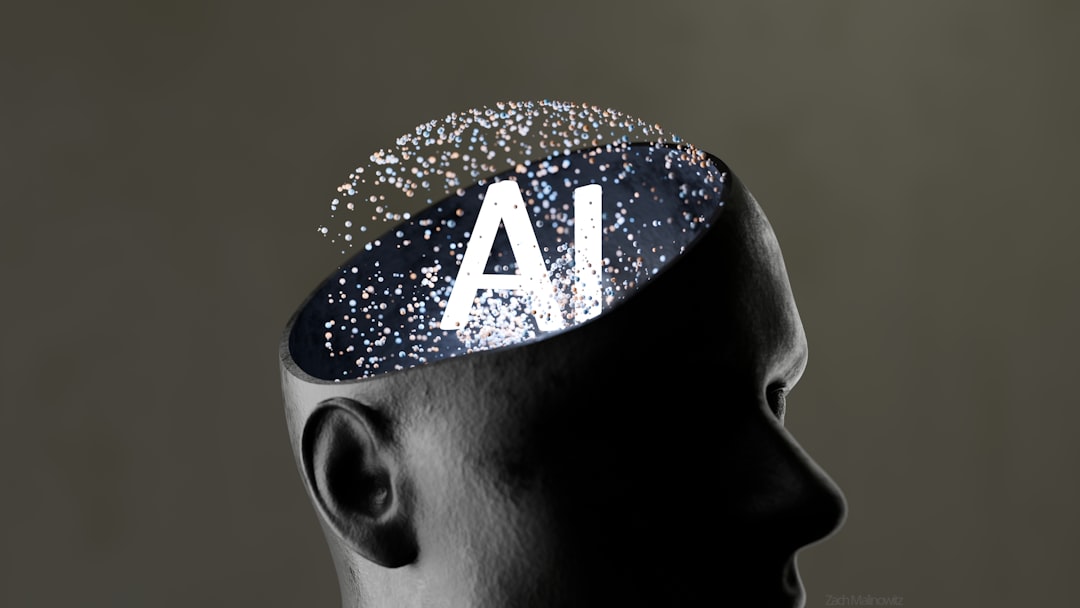
AI's impact on developers is starkly divisive, with some seeing it as a rocket ship to innovation and others as a threat to their professional identity.
Artificial intelligence has sparked heated discussions in virtually every industry, but nowhere is its divisive nature more apparent than among software developers. While some view AI tools as a revolutionary way to enhance productivity and innovation, others see them as an existential threat to their roles. This polarization stems from differing perspectives on what AI represents—either an opportunity or a danger.
A Divided Workforce
Imagine a team of developers who have worked cohesively for years. They share similar work styles, tools, and processes, navigating challenges in harmony. Enter AI development tools, and suddenly the team is split into starkly opposing camps. According to a recent discussion, about 70% of developers in such scenarios express varying levels of discomfort with AI's increasing role. The remaining 30% are ecstatic, showing up to daily meetings brimming with pride over the sheer volume of solutions they’ve produced using AI tools.
This is no ordinary workplace disagreement. It isn’t about adopting a framework or debating coding styles; it’s a clash of fundamental attitudes toward the role of technology in personal and professional identity. The divide runs deeper than the AI tool itself—it’s about what the technology represents to two very different mindsets.
The Rocket Ship vs. the Bomb
For the AI optimists, the technology is akin to a rocket ship. They see opportunity in abundance—a chance to build faster, automate repetitive tasks, and free up their time to focus on creative, high-impact work. AI tools enable these individuals to achieve outputs that would have been unthinkable a few years ago. They feel emboldened to push limits, innovate, and expand their skillset. For this group, AI is not just a tool; it’s an enabler of possibility.
Then there’s the other camp. For them, AI feels more like a ticking bomb. They worry about massively scaled-up expectations for output and question their ability to keep pace with colleagues leveraging AI. The notion that a tool can replace significant portions of what they do as programmers is not just unsettling—it’s threatening. It challenges their professional identity and raises fears about job security. What if AI contributes to the next round of layoffs? What if my skills are deemed redundant?
This underlying fear of obsolescence can’t be lightly dismissed. Programming has long been seen as a domain of expertise where mastery is rewarded with job security and relevance. To some developers, AI tools challenge that. It’s no longer about “how well” you can code; it’s about whether you can adapt quickly, learn to integrate AI, and redefine your place within a rapidly changing landscape.
Why AI Sparks Such Strong Reactions
What’s interesting about this division is that it highlights the deeper psychological consequences of disruptive technology. People aren’t reacting purely to AI as a tool; they’re responding to what it symbolizes.
Some developers see AI as a lever that amplifies their abilities. It’s not a replacement for their skillset but a force multiplier. This perspective is common among those who already value continual learning and adaptability in their careers. For these individuals, AI isn’t competition—it’s collaboration. They don’t feel undermined by seeing AI complete repetitive coding tasks because it allows them to focus on design, problem-solving, and innovation.
On the flip side, for those developers who value consistency, mastery of the craft as they’ve known it, or who find their identity tied closely to the work they’re automating, the introduction of AI produces existential anxiety. This feeling of being undercut or devalued amplifies any existing fears about shifting industry standards and volatile job markets.
Real-World Implications in Teams
The divisive attitudes toward AI tools in development teams don’t exist in a vacuum. They create real-world implications for productivity, morale, and even hiring strategies. For managers, rolling out AI-powered tools can feel like opening Pandora’s box, where encouraging one group alienates another. Balancing these concerns is no easy task.
For ambitious developers, AI is a way to push boundaries. They show up to work energized, sharing the seemingly endless developments they’ve achieved with AI’s help. This enthusiasm can inspire others—but it can also heighten tensions for those less optimistic. For others, the looming presence of AI increases stress at work, creating a sense of eroding confidence as they question their ability to keep pace.
There’s also a practical challenge. AI-driven productivity inevitably raises expectations for output across entire teams. What happens when the 30% who have embraced AI outpace the rest of the team? How do managers enforce uniform workflows when the gulf between “manual” programming and AI-augmented development grows so wide?
The Path Forward: Adaptation and Conversation
Ultimately, the question isn’t whether AI tools will continue evolving—they will. The more pertinent question is how developers and their organizations will adapt to them. To mitigate the divisive impact AI can have, clear, open conversations about shared expectations, job security, and growth opportunities are critical.
Companies can integrate training programs that allow all team members to acquaint themselves with AI tools. Rather than framing these tools as mandatory, presenting them as enhancements could help foster a sense of collaboration instead of competition. Additionally, acknowledging and addressing fears about obsolescence in a candid way might ease tensions.
Bigger Picture: A Shift in Industry Culture
The developer community is at a crossroads shaped by much more than just AI itself—it’s a cultural shift. Technologies like AI highlight the shifting definitions of expertise, productivity, and creativity. They remind us that new tools will continually rewrite the rules of how work gets done.
For the 30% of developers who see AI as a rocket ship, there’s no ceiling to their ambition. For the 70% concerned over how AI reshapes their roles, incentives to adapt and ongoing industry dialogue could provide the reassurance needed to move forward confidently.
At its core, the debate surrounding AI in development teams isn’t about whether it’s good or bad—it’s about how each person defines success, empowerment, and identity in their professional lives.
Staff Writer
Chris covers artificial intelligence, machine learning, and software development trends.
Comments
Loading comments…


