AI and art: Efficiency meets creativity at the TMT Talks
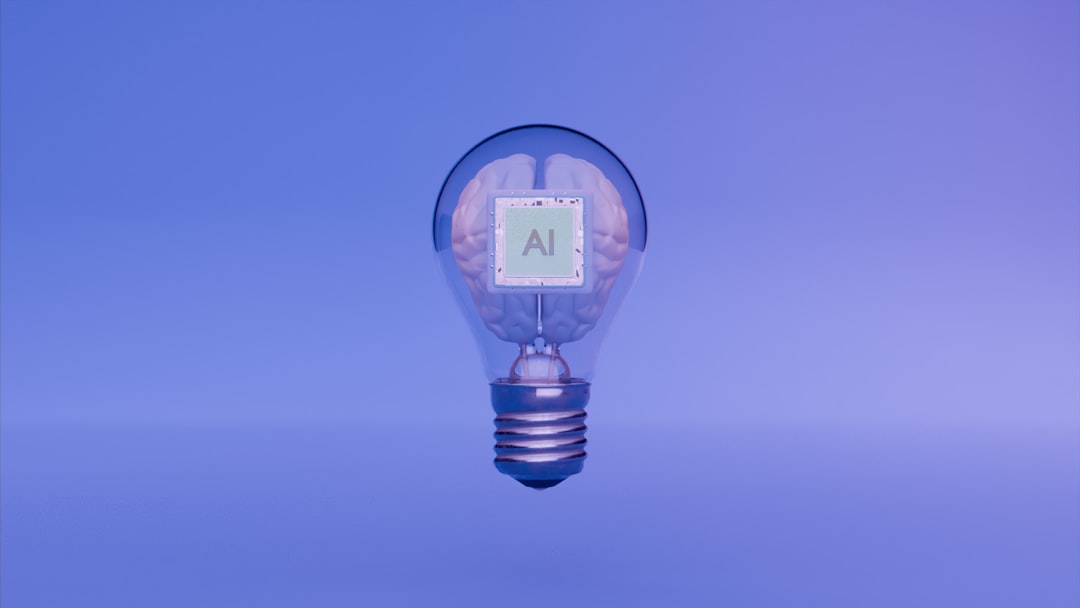
At an upcoming TMT Talks event, the debate on AI's role in art raises questions about efficiency, creativity, and the irreplaceable human element.
The intersection of artificial intelligence (AI) and art continues to fuel both innovation and debate. At the upcoming TMT Talks, the conversation will center around a central tension: Is AI in art simply about efficiency, or does it risk hollowing out the soul of creative expression? One speaker’s reflections set the tone for this inquiry, capturing the fascinating paradox AI presents for artists and technologists alike.
AI’s prowess in replicating vs creating
During a discussion about AI’s artistic role, a striking analogy illustrated the limitations of machine intelligence. The speaker highlighted chess computers as a case study: "If you take the world’s greatest chess computer, have it play the world’s greatest chess computer, every game is a draw, and they’re the most boring games in the history of games." This imagery underscores the repetitive, predictable output machines generate when left solely to their own devices. While technically perfect, the essence of competition, improvisation, or, in broader terms, human creativity, is absent.
Extrapolated to the context of art, this raises the question: Can AI ever replace the human soul in art? The answer, according to the discussion, is “no.” Machines can mimic and imitate human creativity, but the speaker firmly asserted, "The human soul cannot be recreated." This sentiment reflects a broader skepticism among creatives who view AI as a tool rather than a replacement for human ingenuity.
Efficiency vs creativity: The dual role of AI in art
One of the most compelling points raised at the TMT Talks panel is that AI, when wielded by imaginative and innovative artists, holds the potential to enhance artistic processes. By automating repetitive or time-intensive tasks—whether that’s sketching frameworks, color grading, or composing base melodies—AI can significantly streamline projects. The speaker suggested, "It’ll make efficiencies, it’ll streamline how long it takes to get things done, and really interesting things will come of it."
For artists constantly battling deadlines, limited budgets, and high expectations, AI offers a way to experiment and iterate at a pace almost unimaginable just a decade ago. Examples of this are already emerging, from AI-assisted video editing tools to programs like MidJourney that can generate artistic visuals from descriptive phrases. These capabilities free creators to focus on higher-level conceptual thinking, potentially paving the way for entirely new forms of multimedia art.
Yet, efficiency comes at a cost. What happens when decision-makers—executives, studio heads, or curators—start to see AI as a replacement rather than a collaborator? Here, the cautionary notes struck by the TMT panel resonate loudly. "If the powers that be begin to think, well, we don’t need [human artists] anymore, we’ll just use this, then I think we’re going to have some very hollowed..." the speaker warned.
This raises concerns about the commodification of creativity. By prioritizing AI’s capabilities to churn out content quickly, there’s a risk of sidelining the exploratory and deeply personal aspects of art-making. The output might look convincing but could lack the nuance and intentionality essential to evoking genuine emotional responses—a phenomenon often described as a deepening of the "uncanny valley."
The uncanny valley: A new dimension for art
The "uncanny valley” traditionally refers to the discomfort people feel when faced with humanoid creations that look almost, but not quite, lifelike. In AI-generated art, the concept could evolve to a new dimension. For example, a piece of digital artwork might be detailed, aesthetically pleasing, and technically flawless—all hallmarks of AI proficiency. However, if it lacks authenticity or fails to convey any underlying intention or narrative thread, viewers might still sense a hollow disconnect between the art and its purported purpose.
As AI-generated films, music, and even poetry gain traction, assessing the audience’s response becomes essential. Will the growing prevalence of algorithm-driven creativity reduce art to a mere product of code, or can it serve as a companion that enriches human creative endeavors? At least for now, it seems that the ultimate creative edge still lies with humans’ ability to inject their lived experiences and emotional complexities into art.
What’s next for the AI-art dialogue?
The TMT Talks discussion speaks to the broader technological and cultural crossroads we’re at. As advanced tools like generative AI become more integrated into artists’ workflows, society must grapple with the implications. How much of artistic integrity hinges on the hand of a human creator? How will the creative industry distinguish between tools and artists themselves? And most importantly, who decides what counts as authentic art?
Policymakers, educational institutions, and industry bodies will likely play a growing role in setting ethical boundaries. Meanwhile, artists must balance leveraging AI for productivity with ensuring their vision remains front and center. As the debate unfolds, panels like those at TMT Talks encourage the kind of nuanced, multi-faceted dialogue that’s needed to push these ideas forward.
So while AI is unlikely to supplant the human soul, it’s up to us—the creators, innovators, and the audiences alike—to ensure that future art retains it.
Staff Writer
Maya writes about AI research, natural language processing, and the business of machine learning.
Comments
Loading comments…


