Was the First GPT... Snow White’s Mirror?
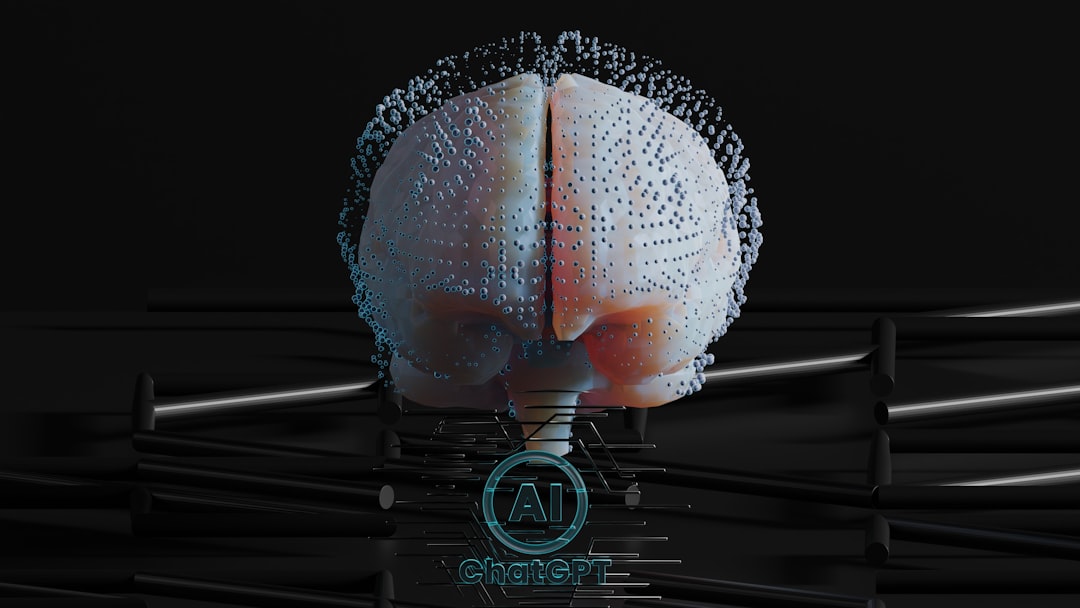
A medical professor suggests an intriguing comparison: could AI tools like GPT be modern reflections of mythic symbols like Snow White’s magic mirror?
Artificial intelligence, and more specifically generative AI models like GPT, are increasingly a topic of discussion—not only among technologists but also across fields like medicine, education, and the arts. In a recent conversation with a medical professor, an intriguing parallel was drawn: Are today’s AI tools, such as GPT, a modern embodiment of something as mythical and symbolic as Snow White’s magic mirror?
The professor’s question isn’t a claim about technology but rather an exploration of AI’s role in human life. If you recall Snow White’s tale, the magic mirror reflects truths that may not always be easy to hear, responding to the famous query, “Who is the fairest of them all?” In the story, the mirror functions as a source of both information and tension—it offers truthful answers but also fuels human emotions and conflicts.
The comparison suggests that, like the mirror, tools like GPT are designed to reflect back what humans ask of them. At their core, these systems generate outputs based on the inquiries they receive. They don’t originate ideas or emotions independently but are deeply tied to the questions, data, and intents provided by their users. Viewed through this lens, today’s generative AI might be thought of as a kind of interactive tool for self-reflection.
However, the metaphor raises questions, too. Snow White’s mirror arguably lacked agency—it was a tool, but one that could not fully explain or contextualize its answers. Similarly, GPT models function without understanding or awareness. Though they excel at generating highly contextualized and coherent responses, they don’t “know” anything. They operate by predicting text patterns and are entirely dependent on the data they’ve been trained on. Is this limitation comparable to the way the mirror’s insights, though accurate, were constrained by the user’s interpretation?
From the medical professor’s perspective, this comparison may serve as a prompt for deeper thought about the relational dynamic between humans and AI systems. In the field of medicine, for example, clinicians increasingly interact with AI tools to aid in diagnosis, treatment planning, or managing data. These platforms, though powerful, derive their value chiefly from how effectively they enhance human capability. In this sense, AI could be likened to a mirror reflecting the user’s intentions or competencies rather than a fully autonomous decision-maker.
This analogy also invites reflection on the ethical challenges AI poses. In Snow White’s fairy tale, the Queen’s reliance on the mirror spirals into obsession and misjudgment, leading her to make destructive choices in pursuit of her desires. Could there be a cautionary element to AI adoption in this comparison? When humans rely heavily on generative AI for decision-making—whether navigating health data, selecting news stories, or resolving creative decisions—there’s a risk that the technology mirrors biases, amplifies errors, or reduces accountability. A mirror, after all, doesn’t critique—it reflects.
At the same time, it’s essential to recognize what separates AI from a mythic construct. Unlike the magic mirror, contemporary AI systems are built with layers of complexity: rigorous mathematical models, painstakingly curated training datasets, and often opaque processes that yield their outcomes. Unlike the passive mirror, developers and engineers can modify and update AI technology constantly, potentially allowing it to correct itself over time. For all we know, Snow White’s mirror was immutable; GPT and its successors are anything but.
In a broader sense, this analogy, while playful, underscores a deeper cultural moment. AI technology has advanced significantly, but its development often prompts us to revisit ancient questions about humanity’s tools, aspirations, and limitations. Like magic mirrors, GPT doesn’t tell you more than you ask of it—but depending on what you ask, the answer might change how you see the world, yourself, or both.
Whether or not we accept this view of AI as Snow White’s mirror, one thing is clear: these tools are reshaping the way we interact with knowledge, curiosity, and even one another. Perhaps the greatest takeaway from this analogy is the reminder that, while technology evolves, the core drivers of human curiosity remain as old as storytelling itself.
Staff Writer
Maya writes about AI research, natural language processing, and the business of machine learning.
Comments
Loading comments…


