AI, labor, and humanity: Ari Melber discusses the future with Jelani Cobb and Thomas Williams
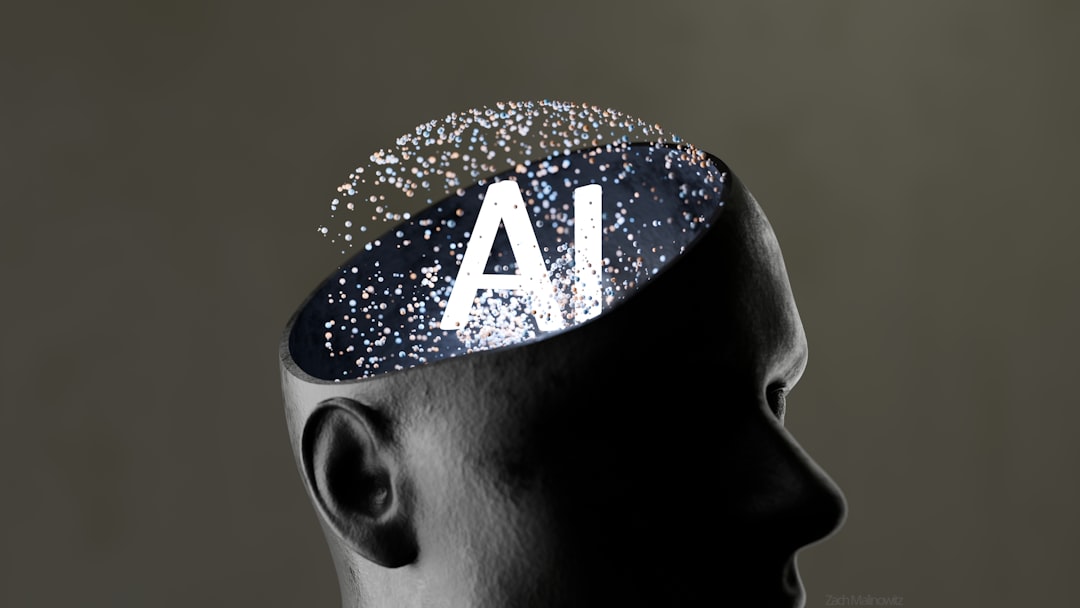
Ari Melber explores AI's impact on labor and humanity, featuring insights from Jelani Cobb and Thomas Williams during a compelling MS NOW segment.
Artificial intelligence is rapidly reshaping the way humans interact with technology, the workforce, and each other. On a recent segment of MS NOW, host Ari Melber turned his focus to these seismic shifts in a special report addressing AI, labor, and humanity. To further dissect the topic, the discussion featured contributions from Jelani Cobb and Thomas Chatterton Williams, prominent voices in journalism and cultural analysis.
Jelani Cobb, an esteemed writer and thinker, has long been known for his incisive commentary on social and racial justice. Joining the discussion, Thomas Chatterton Williams adds his perspective as a writer for The Atlantic, a publication that has dedicated significant space to examining the ethical and practical implications of AI in modern society. Together, the panelists wrestled with how emerging AI technologies—ranging from generative models to automated labor systems—are impacting the economy, amplifying inequalities, and influencing human behavior.
AI and the labor question
The conversation began with an exploration of AI’s growing role in shaping the future of work. While many industries increasingly turn to machine learning and automated systems, concerns about job displacement and the erosion of human-centered work proliferate. Workers in fields ranging from manufacturing to white-collar professions are feeling the heat as businesses adopt AI tools to lower costs and improve efficiency.
Melber highlighted these advancements, noting how they often leave laborers out of the decision-making process. By placing corporate profit over the stability of human livelihoods, companies could exacerbate economic divides, leaving entire sectors vulnerable. The panelists agreed that while innovation is often framed as inherently positive, its implications must be tempered by ethical scrutiny.
Humanity in the era of machines
Moving beyond labor, the trio examined how AI challenges humanity on a deeper level. With algorithms increasingly mediating daily life—whether through social media, healthcare, or transportation—questions of agency and authenticity become unavoidable. Cobb underscored how these technologies, built on massive data sets, often encode biases. "Who gets to define intelligence, and whose humanity is valued in AI systems?" was one of the core questions posed during the hour.
Williams emphasized that the hyper-commercialization of AI raises profound ethical dilemmas. If profit-centric models dominate, human connection and creativity may be marginalized. He argued that as technology advances, society must simultaneously adapt cultural frameworks to preserve what makes us distinctly human.
The importance of regulation
Another important point of agreement between the discussants was the pressing need to regulate AI. In the absence of strong policy, unchecked AI development could deepen existing inequalities, create monopolies in critical technologies, and pose risks to democratic governance. Regulatory frameworks, they argued, must balance innovation with accountability, ensuring that AI serves humanity rather than exploiting it.
Melber’s report made it clear: grappling with these issues isn’t just the responsibility of tech insiders. Policymakers, labor organizers, and the general public must engage critically with the direction AI takes. Ultimately, decisions made now will shape the future of work and society for generations to come.
Context in a broader debate
This MS NOW segment adds to a growing body of public discourse on artificial intelligence. Thought leaders, policy advocates, and even tech executives have increasingly raised the alarm about the risks AI poses to labor markets and human dignity. As automation accelerates, urgency grows to address its broad societal impacts. The conversation driven by Melber, Cobb, and Williams reflects the stakes of these transformations while emphasizing the agency of individuals and communities to influence outcomes.
In conclusion, the debate hosted by Ari Melber invites viewers to think critically about the challenges posed by emerging technology. AI’s intersection with humanity and labor underscores broader ethical, economic, and cultural questions that demand collective action. Although innovation is inevitable, its impact on society remains a matter for rigorous examination.
Staff Writer
Maya writes about AI research, natural language processing, and the business of machine learning.
Comments
Loading comments…


