AI Replaces 1,000 Jobs Overnight — Are You Prepared?
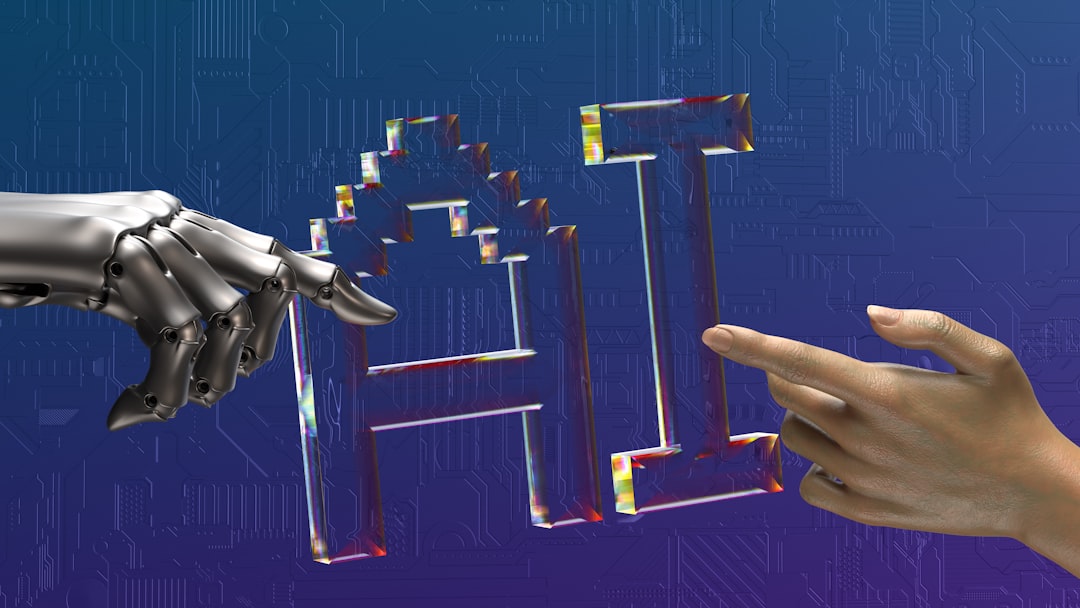
1,000 jobs were replaced by AI overnight, signaling a major shift in the workforce. What does this mean for your career and the future of employment?
The ongoing rise of artificial intelligence (AI) has shifted from assisting humans to outright replacement, with 1,000 jobs reportedly being replaced overnight. This development is not just a headline-grabber but a wake-up call for workers and companies alike. If these advancements seemed like a distant future, that future just arrived—and it's moving faster than many anticipated.
Jobs in Minutes, Not Months
Where workforce changes once took months of planning and coordination, AI is enabling organizations to eliminate roles almost instantaneously. Companies are quietly deploying AI systems to handle tasks that previously required entire teams. The efficiency gap is staggering: processes that took weeks now occur in minutes as AI handles tasks like data entry, customer support, content generation, logistical coordination, and more.
In this latest instance, 1,000 positions across multiple sectors were replaced by AI virtually overnight. Though specific details about the companies involved remain under wraps, this is far more than an isolated case. It's part of a rapid, industry-wide adoption that has left many workers asking one critical question: “Am I next?”
Not Just Automation—Replacement
Automation isn't new. For decades, industries like manufacturing relied on machines to support or standardize human labor. The evolution with today's AI, however, lies in its capacity to replace rather than assist. Advanced AI models, from chatbots like ChatGPT to generative design tools, aren't limited to single tasks. They're capable of performing dynamic, human-like roles, often more efficiently and at lower cost.
Consider the roles commonly impacted:
- Business Operations: AI is streamlining everything from scheduling to complex decision-making, where predictive modeling excels faster than human teams.
- Creative Sectors: Generative AI tools already write copy, create art, and edit videos—fields once considered immune to full automation.
- Customer Service: From retail chatbots to call center virtual agents, AI is increasingly chosen over human representatives to cut costs and reduce wait times.
The transition isn’t just operational—it’s existential. AI isn’t merely helping humans do their work better; in many cases, it’s leaving many workers entirely redundant.
Why This Matters
If the disruption of 1,000 jobs feels distant to you, consider that those roles may have mirrored your own. The sectors in which AI thrives are not niche—automation extends to every corner of the workforce. And while high-profile cases draw attention, quieter layoffs have been occurring for years as more employers test out automated alternatives. Eliminating redundancies is no longer just an efficiency strategy; it’s becoming the default mode.
For individuals, this underscores the importance of adaptability. Skills that were considered evergreen—data analysis, project management, even creativity—are not as untouchable as once believed. Each technological leap further compresses the timeline of ‘safe’ industries and skills.
For organizations, the AI shift introduces new challenges. The speed at which AI replaces jobs could alienate customers wary of impersonal interactions. It also presents risks of public relations fallout, especially when organizations lay off workers while highlighting larger-than-ever quarterly profits. Businesses must balance efficiency with humanity—or face potential backlash.
Preparing for the AI Economy
While the pace of AI adoption may feel daunting, preparation is essential. Workers can take specific actions to future-proof their careers while staying agile:
- Upskill Regularly: Build proficiency in AI-adjacent fields such as coding, AI ethics, or machine learning—areas that enhance employability and relevance.
- Focus on Soft Skills: AI struggles with some emotional intelligence tasks. Interpersonal skills like conflict resolution, mentorship, and client relationships will retain demand.
- Explore Emerging Technologies: Take the time to work alongside AI systems in your area of work. Understanding them is a step toward mastering them.
- Shift to AI-resistant Roles: While full immunity is rare, certain jobs like healthcare, early education, and specialized artisan work are less likely to be overtaken due to their emphasis on human nuance.
For companies, this moment highlights the need for ethical guardrails. Labor replacement at scale, unannounced and uncoordinated, creates significant societal risks, from unemployment surges to potential worker resentment. The broader challenge will be fostering transparency in how organizations implement AI to ensure trust.
The Road Ahead
Last night's story of 1,000 replaced jobs is unlikely the largest wave—a trend, rather than an isolated event. As AI continues growing in sophistication and capability, layoffs may also accelerate. This should raise critical conversations on both societal and policy levels about what a collaborative AI-driven economy looks like.
While no one can predict exactly how quickly different industries will transform, one thing is clear: the question is no longer if AI will affect your career—it’s when. Are you prepared?
Staff Writer
Chris covers artificial intelligence, machine learning, and software development trends.
Comments
Loading comments…


