Spelman College students build AI tool that lets plants talk
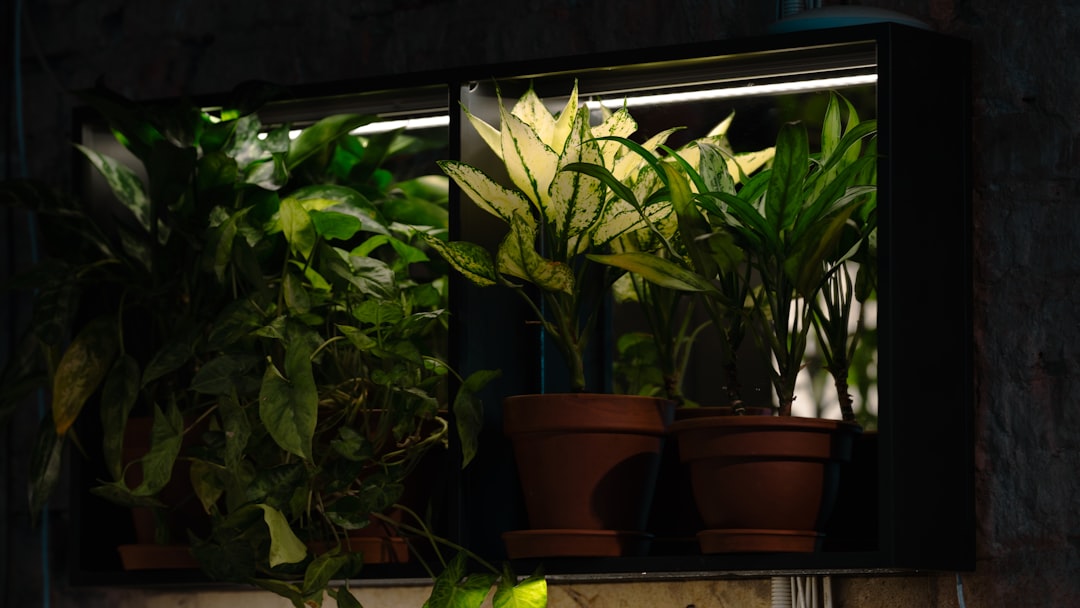
Spelman College students and faculty have developed Plant GPT, an AI-driven system enabling plants to voice care needs, revolutionizing plant care and agriculture.
What if the plants in your living room could tell you exactly what they needed? That’s the vision behind Plant GPT, an AI-powered project developed by a group of students and faculty at Spelman College in Atlanta. By combining sensors, large language models (LLMs), and text-to-speech technology, this innovation creates a system where plants can “talk” to their owners, expressing their needs for water, light, and more. While it may initially sound whimsical, the implications of this technology extend far beyond household gardening.
The problem of plant care
For many, caring for plants can be challenging, with novice gardeners struggling to interpret their greenery’s needs. According to a 2024 report, over 80% of U.S. households engage in gardening, but approximately 50% of beginner gardeners still experience crop failures. For Gen Z, who increasingly adopt plants in urban spaces, the failure rate is reportedly even higher.
The issue often stems from generic advice found online that fails to address the specific conditions of individual plants. “It doesn't have specific stats on how your current plant is doing,” one of the student developers noted. This gap in personalized plant care guidance inspired the creation of Plant GPT, a project originating from Spelman’s Innovation Lab.
How Plant GPT works
The innovation relies on a multi-step process powered by modern artificial intelligence and real-time data:
- Data Collection: Sensors embedded in the plant’s environment collect data such as soil moisture, light intensity, temperature, and other variables necessary for plant survival.
- AI Analysis: The collected data is sent to an AI system based on an LLM (in this case, Meta’s LLAMA), which interprets the information and generates care recommendations tailored to the plant.
- Text-to-Speech Conversion: The AI-generated recommendations are transformed into speech through a Python-based text-to-speech library. This step gives the plant a “voice”—a Victorian one, as demonstrated in a video introducing the technology.
For the user, the process is seamless. A plant might “say” something as specific as, “The high light intensity is burning my delicate foliage,” or demand, “I need water.” These vocal prompts turn traditional guesswork into clear, actionable insights, improving the relationship between plant and caregiver.
Why this matters
The potential impact of Plant GPT goes beyond household convenience. While the tool could reduce plant deaths among urban dwellers and hobby gardeners, its creators envision applications in addressing more significant challenges like food insecurity. The smart agriculture sector, projected to surpass $25 billion in value within the next two years, could integrate technologies like Plant GPT to optimize resource use and increase crop yields.
The developers suggest that the tool could be scaled to benefit urban gardeners, small-scale farmers, and even larger agricultural initiatives. For example, farmers could use Plant GPT to monitor large-scale operations more effectively by receiving real-time plant feedback, potentially reducing water waste and improving soil management.
Building innovation at Spelman College
Plant GPT represents three years of collaborative effort, guided by assistant director Eric Thompson from Spelman’s Innovation Lab. The lab fosters emerging technologies and encourages young scholars to tackle real-world problems creatively.
One of the guiding philosophies of the lab has been empowering plants—metaphorically—by giving them “agency” in their care. “The inspiration came from this idea of what would happen if you gave your plants some agency in how they were taken care of,” Thompson explained. This focus on providing a voice for plants reflects a broader trend in the tech world: bridging the gap between data-driven systems and end users to create meaningful, accessible tools.
The project also highlights the growing role of historically Black colleges and universities (HBCUs) like Spelman College in fostering tech-driven innovation. Historically underrepresented in STEM fields, the young women leading Plant GPT hope to inspire other students, especially girls, to envision themselves as inventors and problem-solvers.
What’s next for Plant GPT?
Although initially developed as a prototype, Plant GPT has the potential to enter the consumer market. The team envisions its integration into home improvement stores like Home Depot or Lowe’s, where customers could buy sensor-equipped plants connected to AI systems. Beyond residential applications, the system could provide solutions for urban farms in food deserts or contribute to more sustainable agricultural practices globally.
With continued development, Plant GPT could also serve educational purposes. Imagine classrooms where students learn about ecology and agriculture with plants that narrate their needs. The immersive, interactive experience could transform how we think about environmental stewardship.
The broader technological context
While Plant GPT is a unique innovation, it is part of a growing trend of AI applications being integrated into agriculture. Smart sensor systems and environmental data platforms are already used to monitor large fields, maximize yields, and adjust inputs like water and fertilizer. However, most existing systems target large-scale farming operations, making Plant GPT’s focus on accessible, small-scale solutions a key differentiator.
As the field of AI continues to mature, projects like Plant GPT demonstrate how diverse teams and academic institutions can contribute to solving both niche and global challenges. By making technology personal—giving plants a “voice,” quite literally—the project takes a creative approach to making tools intuitive, engaging, and effective.
Inspiring the next generation
The creators of Plant GPT hope their work serves as a beacon for young women interested in STEM fields. “Hopefully, young girls could see themselves doing this and achieving great things,” one of the students said. For Spelman College, which has long emphasized the importance of becoming leaders in underrepresented industries, this project epitomizes how innovation can sprout from collaboration and a fresh perspective.
With its roots firmly planted in both deep technical expertise and a sharp understanding of cultural trends, Plant GPT shows how AI doesn't just have to be high-tech—it can also be highly humane.
Staff Writer
Maya writes about AI research, natural language processing, and the business of machine learning.
Comments
Loading comments…


