Can AI Replace You? One YouTuber’s Experiment Offers Surprising Insights
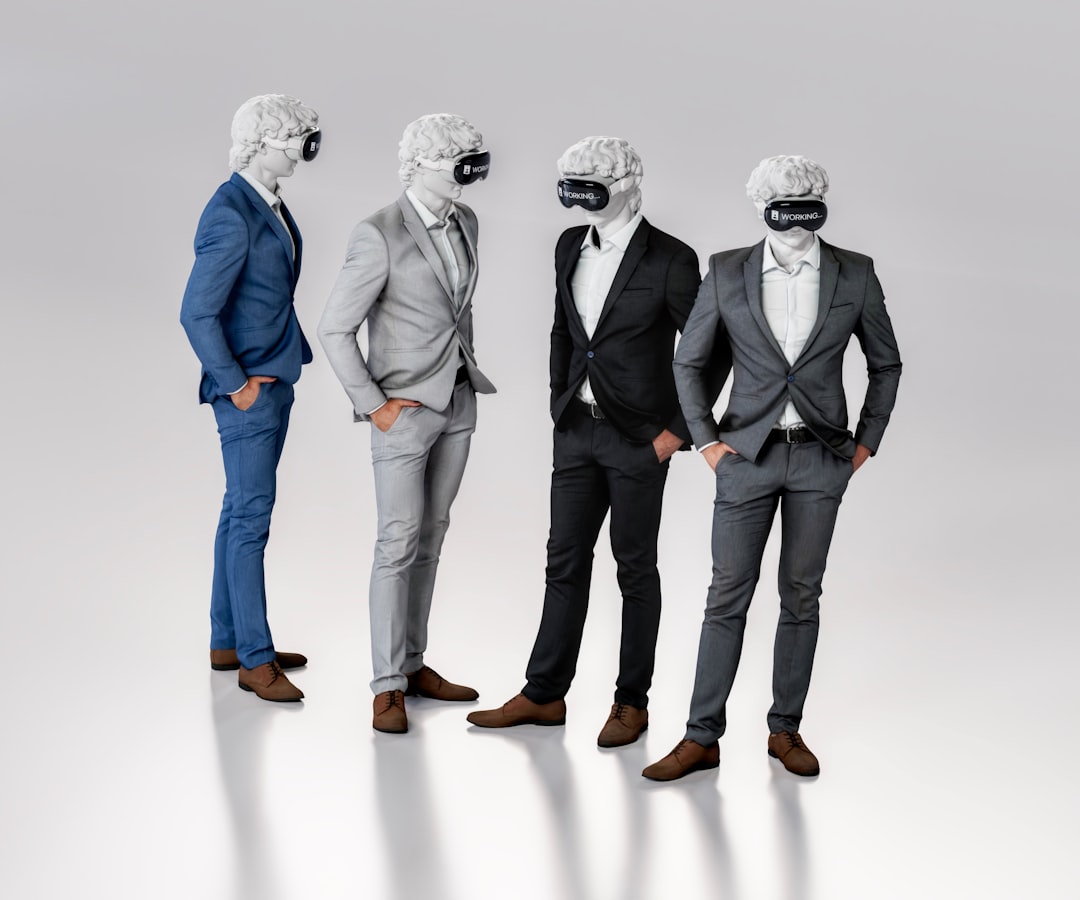
A YouTuber tests AI avatars and voices to automate his life, from work meetings to family calls. Here’s what he discovered.
The rise of artificial intelligence (AI) has inspired many to wonder if everyday tasks—and even entire professions—could soon be automated. In an intriguing, self-referential experiment, a YouTuber set out to see if he could literally “replace himself” using AI technology. Documenting his adventure on video, he explored how AI avatars, deepfake-like software, and voice clones might allow him to hand over tasks ranging from work meetings to personal FaceTime calls. The results were as fascinating as they were flawed.
The Setup: Replacing the Self
The experiment began with a visit to Synthesia, a high-tech AI company valued at $4 billion. Synthesia specializes in creating lifelike AI avatars for corporate and individual use cases. Using its platform, the YouTuber generated an avatar—complete with facial expressions and a voice clone—to test if it could handle three core components of his life: a weekly team meeting, daily FaceTime calls with his parents, and even creating a YouTube video that would be convincing enough to fool his own manager.
Synthesia’s avatar-building process started with high-resolution facial scans, which were then combined with latent diffusion models. These models analyze images (often deliberately “noisy” at first), isolating patterns that represent human features and movement. When trained on countless facial samples, these models are able to reconstruct not just still images but dynamic videos that mimic a user’s unique speech and physical gestures.
Test Case 1: The Monday Morning Work Meeting
The first challenge involved attending a Monday morning Zoom meeting. To keep things simple, the avatar’s responses were pre-recorded, and the manager, Sam, was briefed ahead of time. This workaround was necessary because current-generation AI avatars lack real-time responsiveness.
Using additional software like voice cloning tools, the YouTuber’s speech patterns were approximated with varying degrees of success. As the meeting progressed, his coworkers engaged with the avatar, seemingly unaware they were interacting with a pre-recorded digital facsimile. However, the illusion faltered whenever unscripted responses or genuine interaction were required. A major limitation became clear: to convincingly automate attendance, considerable advance planning was needed, negating any supposed time savings.
Coworkers eventually suspected something was off. One mentioned the avatar’s oddly tired appearance, while another cited a lack of the YouTuber’s typical conversational style—small but telling signs that the technology wasn’t quite seamless.
Test Case 2: FaceTiming Mom and Dad
Next up, the YouTuber tried to automate daily FaceTime calls with his parents, testing whether AI could replicate enough of his natural demeanor to fool those who know him best. Using a still image of himself and plugging it into other motion-control AI platforms, the team produced a video of the avatar delivering basic greetings and conversation.
The result? His mother immediately recognized the slight “offness” of the avatar. She noted differences in its appearance and its unnaturally short responses, quickly concluding, “That’s not you.” His father, on the other hand, appeared less discerning, simply answering the avatar’s questions without batting an eye. This interaction highlighted an important aspect of AI mimicry: emotional familiarity is much harder to fake than casual acquaintanceship.
Test Case 3: Automating YouTube Content
For the final challenge, the YouTuber aimed to create an AI-generated YouTube video convincing enough to share on his channel. This involved Synthesia producing a full-fledged avatar version of him delivering scripted content. The results were mixed at best. While the visual realism of the avatar showed progress—its lip-syncing and facial movements were well-timed—the overall delivery felt lifeless and disconnected.
When the video was presented to Morning Brew’s president (the YouTuber’s employer), the response was blunt. The avatar’s performance was deemed “sloppy,” with complaints about both its coherence and its inability to establish a thematic connection between visuals and narrative.
Why AI Video Technology Struggles
The experiment underscores the strengths and weaknesses of current AI video technology. On one hand, platforms like Synthesia and Runway have made impressive strides in accessibility. Generating realistic, lip-synced avatars no longer requires Hollywood-sized budgets or teams of professional animators.
However, AI avatars still struggle in scenarios requiring real engagement or emotional nuance. This makes them ill-suited to tasks where spontaneity, empathy, or creativity play key roles. Conversations with parents, for instance, expose how such systems fail to replicate the intangible human connections that define close relationships.
Technical bottlenecks also remain. Synthesia’s avatars require significant pre-planning, rendering them rigid and inflexible during real-time uses like live meetings. Voice cloning tools, while improving, still fall short of perfectly mirroring the complexities of human vocal tone, rhythm, and emotional weight.
Ethical and Societal Concerns
Throughout the tests, the YouTuber briefly touched on the ethical dilemmas posed by AI-generated video. From the misuse of motion-control AI for creating unauthorized deepfakes to the questionable legality of uploading other people’s faces, the rapid development of these tools is outpacing regulatory frameworks. Synthesia, along with competitors like ElevenLabs and OpenAI, claims to prioritize ethical use, but enforcement remains a key challenge.
What These Results Tell Us
Despite industry advancements, the results of the experiment suggest that AI isn’t yet ready to replace humans wholesale. Its strengths lie in well-defined, predictable tasks—like creating explainer videos or automating certain repetitive workflows. Meanwhile, its weaknesses are glaring in situations that demand adaptability, emotional intelligence, or unscripted adjustments.
Far from proving an existential threat to creative professions, the limitations revealed in this test suggest AI is best viewed as a collaborator, not a replacement. It can help generate ideas, reduce production costs, or speed up certain processes, but human oversight remains irreplaceable.
The Bottom Line
AI video technology has come a long way, but its path to replacing humans entirely is still fraught with hurdles. The experiment conducted by this YouTuber highlights where AI excels (mimicking superficial features) and where it falls flat (fostering real human connection, handling unscripted moments). As the field matures, these issues may lessen, but for now, the human touch remains indispensable in both career and personal life.
Staff Writer
Chris covers artificial intelligence, machine learning, and software development trends.
Comments
Loading comments…


