Debating AI's Titans: Who Poses the Greatest Risk?
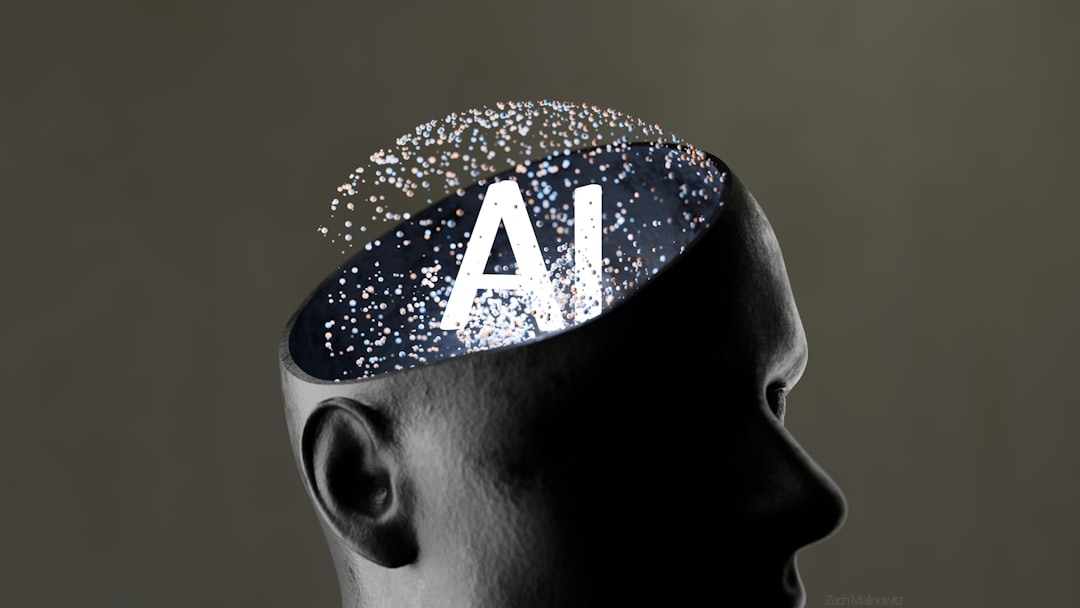
The leaders shaping AI's future are talented, competitive, and driven, but their motivations—and the risks they pose—vary significantly.
The global race to advance artificial intelligence is not only defined by the technology itself but also by the individuals shaping the field. Often described as "titans" or even "demigods," a handful of leaders sit at the top of major AI labs, each influencing the pace, direction, and safety of AI's development. Among them are figures like Elon Musk, Sam Altman, Demis Hassabis, Dario Amodei, and Mark Zuckerberg. But as AI becomes increasingly powerful, questions arise: Who among these leaders poses the greatest risk to humanity, and why?
The Traits They Share
These AI leaders are all immensely talented and extraordinarily competitive, qualities that have propelled them to the forefront of their field. They operate within an industry that rewards rapid progress and innovation, making competition not just inevitable but necessary for survival. Yet they are also motivated by different goals—some by power, others by money, and still others by a genuine desire to advance technology for humanity’s benefit. This divergence in motivation significantly impacts the risks they pose.
Evaluating the Danger
An analysis of these individuals reveals that their rank in terms of "danger" isn’t uniform across perspectives. Elon Musk, for instance, was highlighted as potentially the most dangerous, though this designation comes with nuances. According to the discussion, Musk does not yet control a top-tier AI lab, as xAI is currently considered second-tier. However, his influence, paired with his tendency to push boundaries, makes him a figure worth monitoring as his Grok AI system develops. While Musk as an individual may be perceived as dangerous, the constraints of industry norms—set by other key players like Sam Altman, Demis Hassabis, and Dario Amodei—might serve as a check on his ambitions, at least to some extent.
Sam Altman, the CEO of OpenAI, was identified as a critical figure to watch. Altman is at the helm of one of the world’s most advanced AI labs, with substantial influence over the development and deployment of powerful AI systems. His leadership has been viewed through both cautious and optimistic lenses: he is seen as someone who recognizes the existential risks AI could pose while also driving its rapid evolution.
Demis Hassabis of DeepMind and Dario Amodei of Anthropic were both praised for their commitment to safety. These two leaders are perceived as deeply engaged with strategies to mitigate the risks posed by advanced AI. Their dedication to maintaining ethical and secure development tracks positions them as less immediately “dangerous” compared to others. However, their ability to influence the broader industry norms is dependent on collaboration—a theme that surfaced repeatedly in the discussion.
Mark Zuckerberg, while revolutionizing social media and now moving further into AI, was not directly described as a primary safety-focused leader in this discussion. Nonetheless, his Meta platforms' vast user base gives him substantial influence over how AI tools are deployed at scale.
The Role of Collaboration
One of the most critical points in this evaluation was the possibility (or lack thereof) of collaboration between these leaders. The notion of them coming together to agree on strict regulatory or ethical guidelines for AI development exists but seems unlikely. As one panelist noted, a "kumbaya moment" where they all cooperate seamlessly might never happen. However, it is not entirely out of reach either, especially since the stakes—avoiding a potential civilizational risk—are so high.
If leading figures such as Hassabis, Amodei, and Altman can set clear and responsible norms, there’s a possibility these standards could serve as a framework for others, including Musk and Zuckerberg. Such collaboration could lead to industry-wide agreements designed to limit the most significant risks of AI, creating a form of self-regulation even before external regulators step in.
Power, Money, and Progress
Another layer of the debate involves their underlying motivations. While all these leaders are undoubtedly ambitious, their end goals differ. Some are thought to be more driven by power, while others are focused on wealth. However, there are those who appear genuinely invested in using AI to benefit humanity—whether through advancing health care, solving fundamental scientific challenges, or addressing global problems like climate change. These motivations will inevitably shape the paths their organizations take.
What Comes Next?
The stakes in AI development are extraordinarily high, and the outcomes depend not just on the technology but on the values and decisions of the people leading it. While figures like Musk, Altman, Hassabis, Amodei, and Zuckerberg each bring unique strengths to the table, they also introduce specific risks.
Moving forward, the most critical question will be whether these leaders can unite around shared norms to control the dangers posed by AI or whether conflicting ambitions will overshadow collective responsibility. The public—and governments—will likely play a growing role in ensuring that safety remains a priority. As this field continues to evolve, it is essential to keep an eye not just on the technology but on the leaders shaping its future.
Staff Writer
Chris covers artificial intelligence, machine learning, and software development trends.
Comments
Loading comments…


