F-47 vs. F-35: How Do These Next-Gen Fighters Compare?
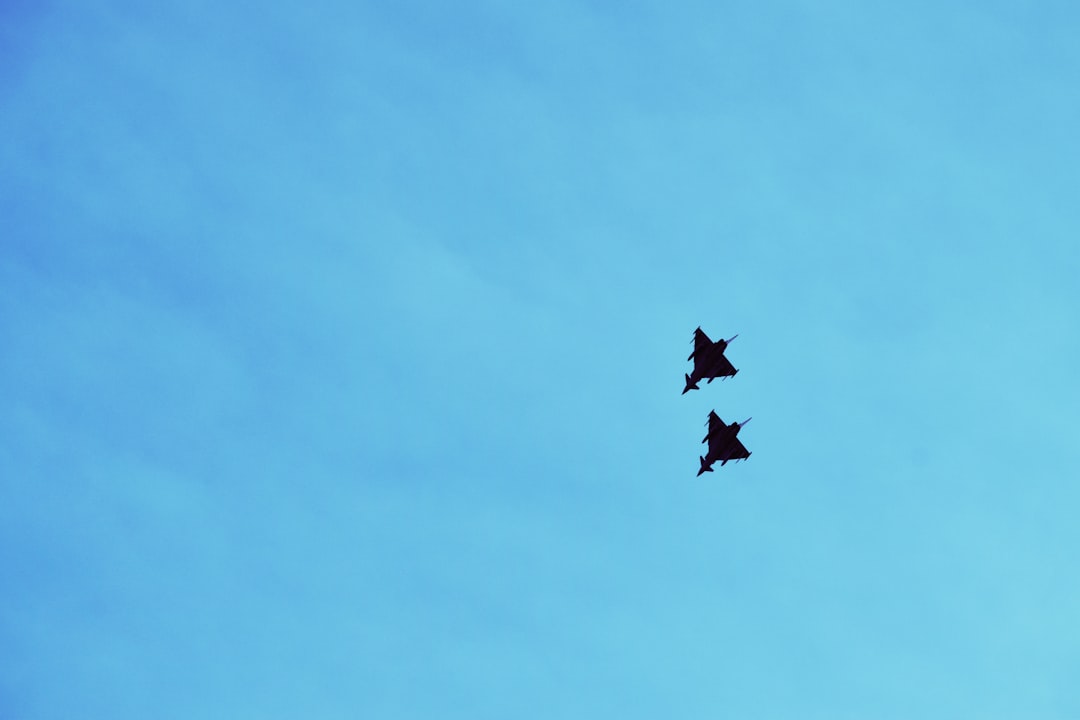
The F-47 and F-35 redefine air combat, but their approaches differ drastically. Here's how these advanced warplanes measure up.
The modern battlefield is shaped as much by technological superiority as tactical maneuvering. Two fighter aircraft stand at the forefront of this competition: the established F-35 and the emerging F-47. Though both are categorized as fifth-generation jets, they illustrate radically different philosophies in air combat. Below, we dive into their capabilities and what differentiates these powerful platforms.
The F-35: Versatile and Networked
The F-35 has often been cited as one of the smartest and most versatile aircraft ever built. Designed as a universal platform, the jet must fulfill various roles, such as reconnaissance, electronic warfare, ground attack, and traditional dogfighting. Its standout feature, however, lies in its ability to "see" the battlefield earlier than its contemporaries. The sensors and avionics onboard the F-35 allow it to collect and share situational awareness with allied forces, enhancing operational efficiency across a networked battlespace.
Critics of the F-35 point to its compromises. To achieve its versatility, the F-35 may lack the specialized edge in air superiority that some nations are pursuing. However, it compensates with an unprecedented level of digital integration, effectively enabling allied forces to operate as a single, cohesive unit when the F-35 is involved.
In short, the F-35 is less about individual dominance and more about team-oriented combat. This design philosophy ensures it remains a critical asset in joint military operations, especially in scenarios where information sharing and coordination make the difference between success and failure.
The F-47: Single-Minded Focus on Air Supremacy
Unlike the F-35, the F-47 eschews versatility for a singular focus: maximum effectiveness in air warfare. Few specific details about the F-47's capabilities are available, but early reports hint at a platform that prioritizes raw aerial combat capabilities without being weighed down by additional roles.
The F-47 may incorporate artificial intelligence (AI) to manage combat operations. If true, this represents a leap in how fighter jets interact with the battlefield. The AI capabilities could allow decisions to be made in real time, optimize engagement tactics, or even coordinate multiple drones and assets under its command. This would mark a significant evolution in combat strategy compared to the F-35's networked but human-led approach.
By focusing exclusively on air superiority, the F-47 can potentially outperform multi-role jets like the F-35 in direct, high-stakes engagements. However, this specialization might limit its usefulness in broader operational contexts, where multitasking and adaptability have proven vital.
Key Competitor: China's J-20
Any global discussion on fifth-generation jets would be incomplete without mentioning China's J-20. Unlike the F-35 and F-47, the J-20 has been designed with a focus on size, speed, and stealth. It is reportedly optimized for hunting support aircraft, such as airborne early warning and control systems, aiming to neutralize key assets that are critical to an adversary's situational awareness.
China has poured extensive resources into the J-20 program, and the aircraft is already active in combat duty. While it is a formidable competitor, its primary difference may lie in its digital and operational philosophy. The extent of AI integration and battlefield awareness in the J-20 remains less clear than its Western counterparts.
What Sets the F-47 Apart
The potential use of advanced AI in the F-47 creates a distinction that cannot be overstated. If the aircraft can indeed manage combat operations autonomously or semi-autonomously, it marks a shift not just in air warfare but in the very nature of military logistics and engagement strategies. This capability could reduce decision-making time for pilots and provide a seamless integration of manned and unmanned assets.
However, reliance on AI introduces its own set of concerns. Autonomous systems are complex, and their behavior in high-stress and ethically ambiguous situations is yet to be fully understood. Additionally, vulnerabilities in AI systems could present cybersecurity risks, with adversaries potentially targeting the algorithms that govern critical decisions.
F-35 in Modern Combat
While the F-35 does not rely heavily on AI in combat operations, its robust sensor suite and connectivity provide what many experts see as an "information dominance." Coordinating between various branches and even nations, the F-35 offers a strategic advantage that may outweigh its performance in isolated dogfights.
For allied forces, the value of the F-35 lies heavily in its "force multiplier" capabilities. This connectivity ensures every combat asset, from air to ground, benefits from the jet's data-sharing infrastructure.
Final Thoughts
The F-35 and F-47 are poised as two of the most advanced fighter jets in the world, but they are optimized for different combat scenarios. While the F-35 prioritizes versatility, adaptability, and networked operations, the F-47 seems to aim for dominance in high-intensity aerial combat using cutting-edge AI technologies. Which platform is superior may depend less on their headline features and more on the specific demands of the mission.
As the competition among fifth-generation and next-generation jets heats up, assessing capabilities like sensor integration, AI functionality, and operational philosophy will define not only who dominates the skies but also how future wars are fought.
Staff Writer
Chris covers artificial intelligence, machine learning, and software development trends.
Comments
Loading comments…


