Grand Rapids startup harnesses AI to lower barriers for political campaigns
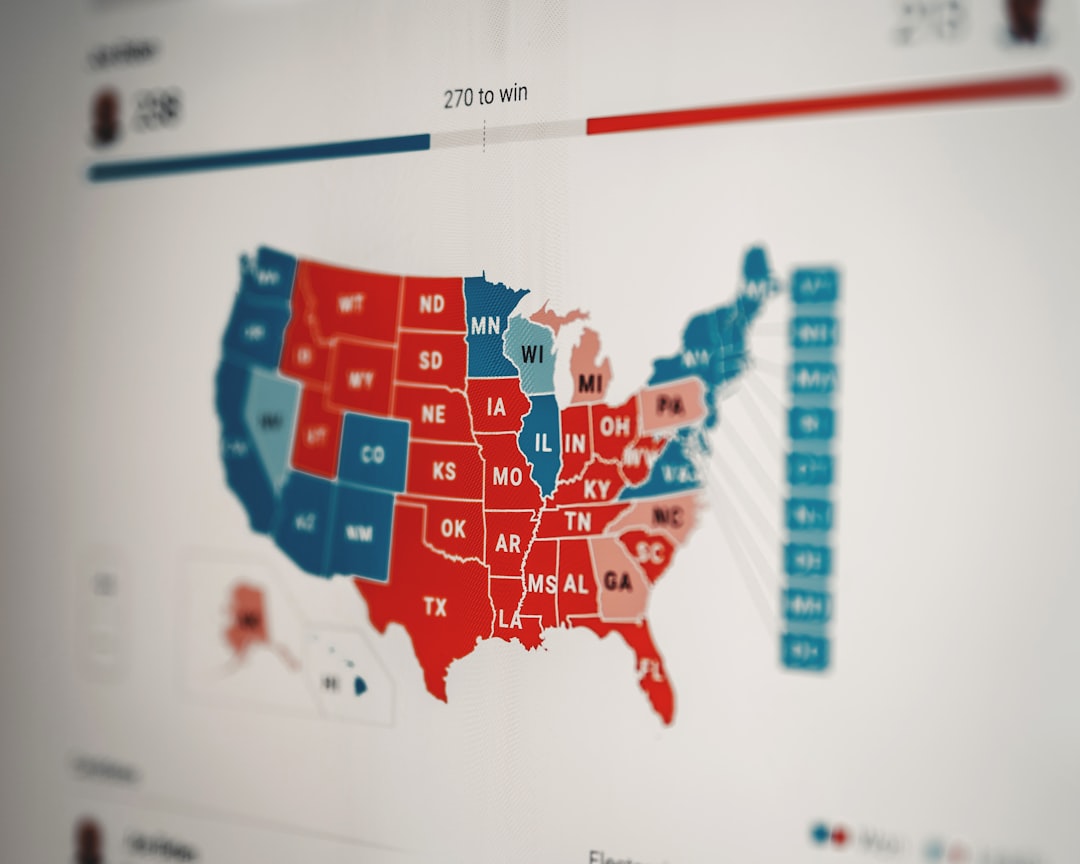
Run Together, a Grand Rapids startup, is using AI to make launching political campaigns more accessible to newcomers.
A political campaign can be daunting to launch, particularly for first-time candidates. From navigating fundraising and logistics to creating effective messaging, the workload requires deep expertise and resources that many lack. In Grand Rapids, Michigan, a new startup called Run Together believes artificial intelligence can bridge this gap, offering aspiring politicians a simplified path to enter the political arena.
A virtual campaign manager at your service
Run Together is a nonpartisan platform designed to act as a virtual "campaign manager" powered by AI. The service offers guidance on foundational campaign activities like crafting timelines, designing yard signs, and sending mailers—all tasks that can overwhelm a newcomer. The startup’s founders, including lead developer Van der Maelen, aim to offer an affordable, user-friendly tool to democratize campaign-building.
"The system is not designed to let people or help people who are new to it get over that hump and launch a campaign,” Van der Maelen said, describing the inspiration. By embedding AI assistance, Run Together strives to address common barriers preventing politically engaged individuals from running for office.
How it works
Run Together’s platform builds on chatbot technology to serve as more than a static guide. Users can ask practical questions, such as “What is a good timeline to send out this mailer?” or “What should a good yard sign look like?” Beyond advice, the program integrates tools for website creation, managing print logistics, and coordinating fundraising—a critical area for any campaign.
For users without a background in politics, this functionality can significantly lighten the workload. The platform brings together disparate tasks, avoiding the need to hire multiple consultants or research solutions piecemeal. By centralizing these activities, Run Together offers a streamlined alternative for grassroots candidates with limited resources.
Who stands to benefit—and at what cost?
Political novices are the primary target audience for the platform. Many individuals are deterred from launching campaigns because the traditional systems are opaque and costly. By lowering informational and logistical barriers, Run Together could open politics to voices that might otherwise never enter the field.
Doug Coatman, a political science professor at Calvin University, commended the potential advantages of such a tool, noting that it could bring new perspectives into the political landscape. “People who are interested in politics hesitate to get in. And I think this does a great service for that,” he said.
However, Coatman also issued a word of caution. AI is a tool, not a replacement for human strategy or local knowledge. “A naive candidate, a new candidate, who just picks this up and completely trusts AI won’t catch [errors],” Coatman explained. He highlighted the potential for AI “hallucinations,” where incorrect or fabricated information could become a campaign liability.
AI's limitations in political contexts
One concern is that AI tools like the one Run Together is promoting may inadvertently lead to over-reliance, especially among inexperienced candidates. Political campaigns require building authentic connections within communities—something no algorithm can replicate. Despite its capabilities, an AI chatbot cannot canvass neighborhoods, attend town hall meetings, or understand the nuances of voter concerns better than humans.
Moreover, AI systems are limited to the data on which they are trained. Bias, inaccuracies, and an inability to factor in local political climates could all hinder the success of a campaign. For instance, automated responses about what makes a good yard sign design might be based on generic templates that fail to resonate with a specific voter base. Incorrect data inputs could also lead to errors in areas like legal compliance, which political campaigns cannot afford.
The broader implications of AI in politics
The use of AI in political campaigns is part of a larger trend where technology is reshaping civic engagement. While platforms like Run Together promise to make campaigns more accessible, they also raise ethical and practical questions. How do we ensure AI tools do not mislead inexperienced candidates? How much should campaigns rely on automated processes versus personal expertise? And, critically, what happens to accountability when strategies originate from a machine rather than a human team?
Despite these questions, the potential is notable. AI can reduce operational inefficiencies, level the playing field for outsider candidates, and encourage broader participation in politics. Still, as Coatman emphasized, “AI is a tool. It’s never going to replace the humans.” Grounded campaign strategies, informed by experience and deep relationships with voters, will remain central to success at the ballot box.
What’s next for Run Together
Run Together is entering a politically dynamic moment, and its approach could shape how campaigns of the future are managed. By focusing on accessibility and affordability, the platform aligns with broader trends of democratizing tools for traditionally exclusive domains. However, its success will likely depend on how well it balances automation with enabling deeper community engagement.
For aspiring candidates, the key takeaway is clear: AI can serve as a powerful starting point but should not replace the fundamental human effort required to build trust and understand the electorate. As startups like Run Together continue to innovate, the political landscape may look very different in the coming years—though the importance of human connection in democracy will undoubtedly remain unchanged.
Staff Writer
Maya writes about AI research, natural language processing, and the business of machine learning.
Comments
Loading comments…


