Heartland schools face challenges and opportunities with AI in the classroom
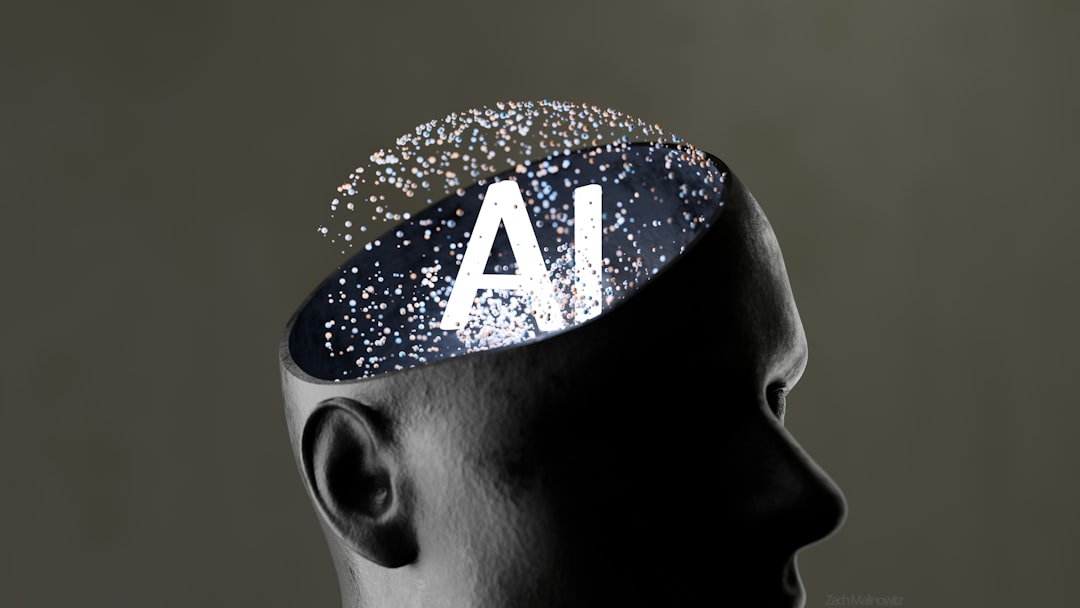
As AI becomes more integrated into education, Heartland schools explore ways to balance innovation and academic integrity in their classrooms.
Artificial intelligence is reshaping classrooms across the Heartland, creating both opportunities and challenges for educators. Heartland schools are working to adapt as the rise of AI tools fundamentally changes how teachers teach, students learn, and academic integrity is maintained.
A double-edged tool in education
The integration of AI into education has led to significant changes for teachers and students alike. On one hand, AI can enhance learning outcomes through personalized learning tools and automated feedback systems. On the other, it is introducing new complications, particularly in detecting and addressing academic dishonesty. Tools like AI-powered text generators have given students easier ways to complete assignments, raising questions about what constitutes original work.
Laura Haas, a teacher at Atlanta High School in Johnson County, shared her experience dealing with AI in the classroom. For her and many of her colleagues, the challenge is not just catching students misusing AI but proving they did so. "It's like a constant battle to figure out how to ensure academic honesty without turning grading into forensic document analysis," Haas said. With dozens of assignments to grade, running detailed checks on every essay or project is time-consuming—something many teachers feel ill-equipped to handle within the limitations of their day.
An evolving curriculum for an evolving issue
Rather than sticking to traditional methods, some teachers see AI as an opportunity to reimagine how subjects are taught. At Atlanta High School, teachers have begun revisiting their curricula to integrate AI awareness into core learning objectives. Haas, for instance, redesigned her entire coursework after doing research on AI’s potential and its educational impact. "We realized it no longer made sense to assign essays like ‘How is AI impacting my generation?’ knowing full well that the AI itself could generate the entire response," she explained. Instead, educators at the school are shifting toward assignments and projects that require critical thinking, creativity, and discussion—skills that AI cannot easily replicate.
District leaders echo similar sentiments about the broader implications of AI in classrooms. While cheating is not new to education—the use of technology, notes passed during tests, or other methods have always existed—the tools students are using are considerably more advanced. "The issue isn't that students cheat. The issue is the tools they now have access to," one district administrator remarked. Schools have long-standing policies on handling academic dishonesty, but those policies are now being tested in unprecedented ways.
Proactive approaches to innovation
Educational leaders argue that the proliferation of AI tools underscores the need to teach students ethical technology use. Stafford, a district leader, emphasized balancing innovation with integrity. "We have established policies to guide our young people, not just toward completing their work but in building the right character," Stafford stated. Schools are trying to simultaneously encourage the use of modern technology and teach students to use it responsibly.
Some educators, however, believe that AI isn’t a foe but a tool for growth. Instead of eliminating AI entirely from assignments, a growing number of teachers are experimenting with incorporating AI into their lessons—teaching students how to use AI effectively and ethically. For example, students might be asked to critically evaluate AI-generated content, compare it to their own, or discuss its limitations as part of assignments. This aligns with the idea that preparing students for an AI-powered world is equally important as preventing misuse.
The question of verification
One of the most pressing challenges for educators is differentiating between human and AI-generated work. Teachers like Haas describe the difficulty of verifying suspected cases of AI misuse without concrete proof. Monitoring tools and plagiarism detection software alone are not always enough to identify AI usage, leading some to worry about misjudging students. "If I accuse a student of cheating, I need to be sure beyond a shadow of a doubt," Haas explained. That high standard of evidence, paired with the increasingly sophisticated AI systems, makes enforcement a complex task.
These concerns are compounded by the workload. With limited hours in the day, many teachers struggle to dedicate time to deep investigations into every questionable assignment. Instead, the focus is often on fostering an understanding among students about why academic integrity matters, hoping to instill lifelong habits rather than merely policing behavior.
What’s next for AI in schools?
The experience of Heartland schools mirrors broader global trends in education, where the integration of AI is creating a paradigm shift in how teachers and students approach learning. While some see AI as a threat to traditional values of education, others see it as an opportunity to evolve teaching methods to better prepare students for the realities of modern life.
As districts grapple with these changes, several strategies may play a key role in navigating the AI era in education:
- Professional development for teachers: More training on identifying AI misuse and leveraging it as a learning tool can help educators keep pace.
- Curriculum innovation: Assignments that emphasize discussion, research, and creative expression over repetitive tasks can discourage reliance on AI.
- Student awareness programs: Teaching students about the potential pitfalls of AI—including biases, inaccuracies, and the ethical dimensions of its use—will be critical to future-proofing education.
Ultimately, schools need to strike a balance between maintaining rigor and embracing technological advances. Educators are keenly aware that today’s students will enter a workforce increasingly defined by AI—a reality that makes understanding and ethically using these tools more important than ever.
The path toward integrating AI into classrooms while upholding academic integrity will undoubtedly require ongoing adjustments. But for many educators in the Heartland and beyond, the focus remains unchanged: fostering critical thinkers and responsible citizens, regardless of the tools at their disposal.
Staff Writer
Maya writes about AI research, natural language processing, and the business of machine learning.
Comments
Loading comments…


