Tim Cook steps down as Apple CEO after 15 years, handing leadership to John Turnus
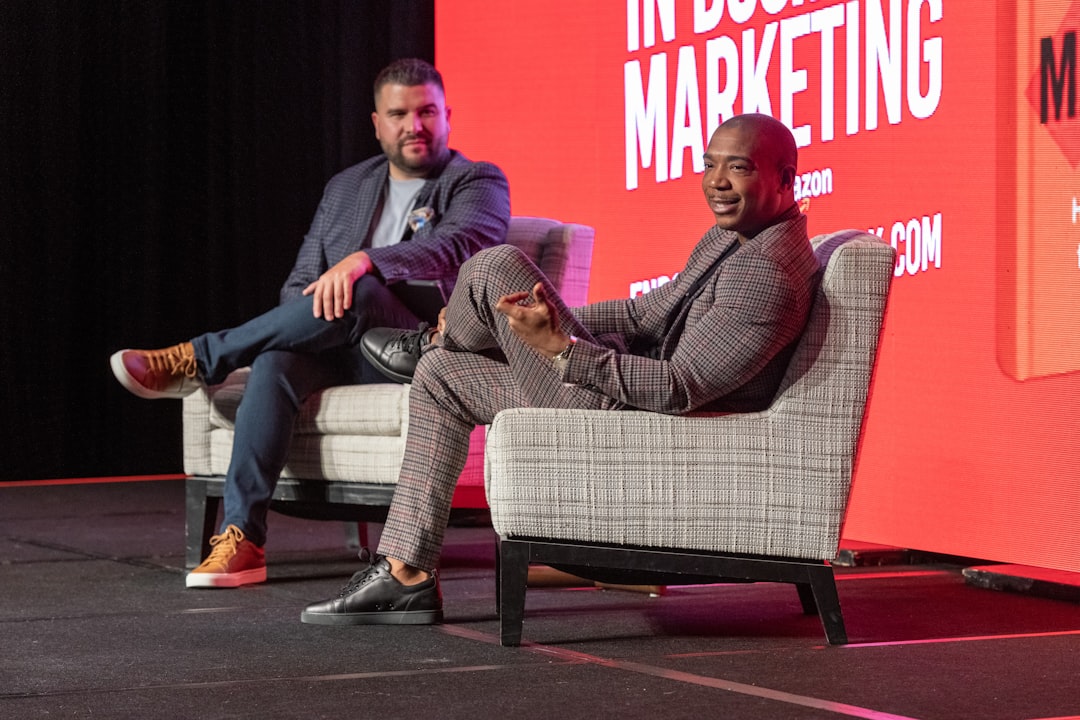
Tim Cook will transition to Apple's executive chairman role in September, ushering in John Turnus as CEO during a pivotal time for the company.
After 15 years at the helm of one of the most influential technology companies in history, Tim Cook is stepping down as Apple’s CEO. The transition will take effect on September 1, when Cook moves into the role of executive chairman. Replacing him as CEO is John Turnus, Apple’s current senior vice president of hardware engineering. This change marks the end of an era and the beginning of what could be a significant new chapter for the Cupertino-based tech giant.
A Legacy of Growth and Transformation
Tim Cook, who became Apple’s CEO in 2011 following the passing of founder Steve Jobs, had the unenviable task of leading the company into the post-Jobs era. Under his leadership, Apple transformed from a company synonymous with revolutionary devices like the iPhone into a sprawling tech ecosystem comprising hardware, software, and services. Cook expanded Apple’s product lineup with the Apple Watch, AirPods, and a range of subscription services like Apple TV+ and Apple Arcade.
Perhaps his most remarkable achievement is financial: during Cook’s tenure, Apple’s valuation skyrocketed, reaching an unparalleled $4 trillion mark. He delivered consistent revenue growth and sustained Apple’s reputation for premium, high-margin products despite fierce competition.
Cook also prioritized sustainability and social responsibility, vowing to make Apple’s operations carbon neutral and pushing for ethical practices across its supply chain. His leadership style—marked by operational discipline, a focus on long-term growth, and a calm demeanor—stood in contrast to Jobs’ more mercurial personality, yet proved equally effective in its own way.
Why Now?
Although Cook’s departure may feel momentous, it is not entirely unexpected. In recent years, Apple has faced scrutiny over its innovation pipeline. Despite the launch of products like the Apple Vision Pro, a mixed-reality headset heralded as “the future of computing,” the device has struggled to gain mainstream traction. This is in stark contrast to the immediate successes of the iPhone or AirPods.
Similarly, Apple's approach to artificial intelligence has been criticized for lagging behind rivals like Google and Microsoft. While competitors integrate advanced AI capabilities across their product ecosystems, Apple’s AI advancements, visible through Siri and machine-learning features in iOS, are widely seen as incremental rather than groundbreaking. As technologies like generative AI reshape the industry at an accelerated pace, Apple’s position in these key domains has faced increasing scrutiny.
Observers have speculated for some time that Apple might benefit from a leadership shake-up to refocus its innovation efforts. Announcing this transition ahead of Apple’s high-profile September launch event allows the company to present a unified vision at a critical moment.
Who Is John Turnus?
John Turnus, Apple’s incoming CEO, is no stranger to the company. A seasoned executive, he has been with Apple for over two decades and has played a critical role in the development of the company’s most iconic products. Currently serving as the senior vice president of hardware engineering, Turnus has overseen the design and execution of Apple’s hardware portfolio, ensuring the company maintains its reputation for delivering industry-leading devices.
Turnus is widely respected within Apple and by industry peers for his technical expertise and steady leadership. His promotion underscores Apple’s strategy of cultivating leaders from within its ranks, ensuring continuity while also positioning the company to address challenges in emerging technologies like AI, augmented reality, and more.
It’s significant that Turnus’s era as CEO will begin just weeks before Apple’s annual iPhone event. This stage has historically been central to Apple’s product strategy, and Turnus’s performance at this event could set the tone for his tenure.
Challenges Ahead
Turnus inherits a company that remains a dominant force in technology, but the road ahead is not without obstacles. Besides Apple’s AI and hardware innovation challenges, the global regulatory landscape presents hurdles. Governments worldwide are scrutinizing Apple’s App Store policies, data privacy standards, and anticompetitive practices, which could lead to fines or forced changes to long-standing business models.
Additionally, as smartphone markets saturate, Apple must explore growth through new product categories or service expansions. The Apple Vision Pro, though ambitious, has yet to convince consumers it offers more than niche appeal. The success—or failure—of such initiatives could define whether Turnus can replicate Cook’s enviable track record of market leadership.
Equally pressing is the question of how Apple can maintain its premium brand while competing in price-sensitive global markets. Even as Cook made Apple synonymous with luxury, he also drove broader accessibility through initiatives like trade-in programs and installment payment plans. Turnus will have to navigate this balancing act carefully.
What This Means for Apple
The transition from Tim Cook to John Turnus comes at a pivotal time for Apple and the tech industry at large. Emerging trends like generative AI, augmented reality, and environmental sustainability demand agile and visionary leadership. While Cook leaves an immense legacy, his decision to step back gives Apple an opportunity to reevaluate its direction and priorities.
If Turnus can successfully steer the company through these challenges, Apple’s dominance could extend well into the next decade. His appointment also signals that, while Apple may need fresh ideas to stay competitive, its core ethos—designing products that seamlessly integrate software and hardware—will remain unchanged. Whether Turnus can usher in the next “big thing” that redefines computing, as the iPhone once did, now becomes the central question for Apple’s future.
As the tech world awaits Turnus’s debut in September, all eyes will remain on Apple—not just for what new devices it might announce, but for signs of how the company and its new leadership will tackle the future.
Staff Writer
Maya writes about AI research, natural language processing, and the business of machine learning.
Comments
Loading comments…


