How AI is changing the healthcare field for doctors and patients
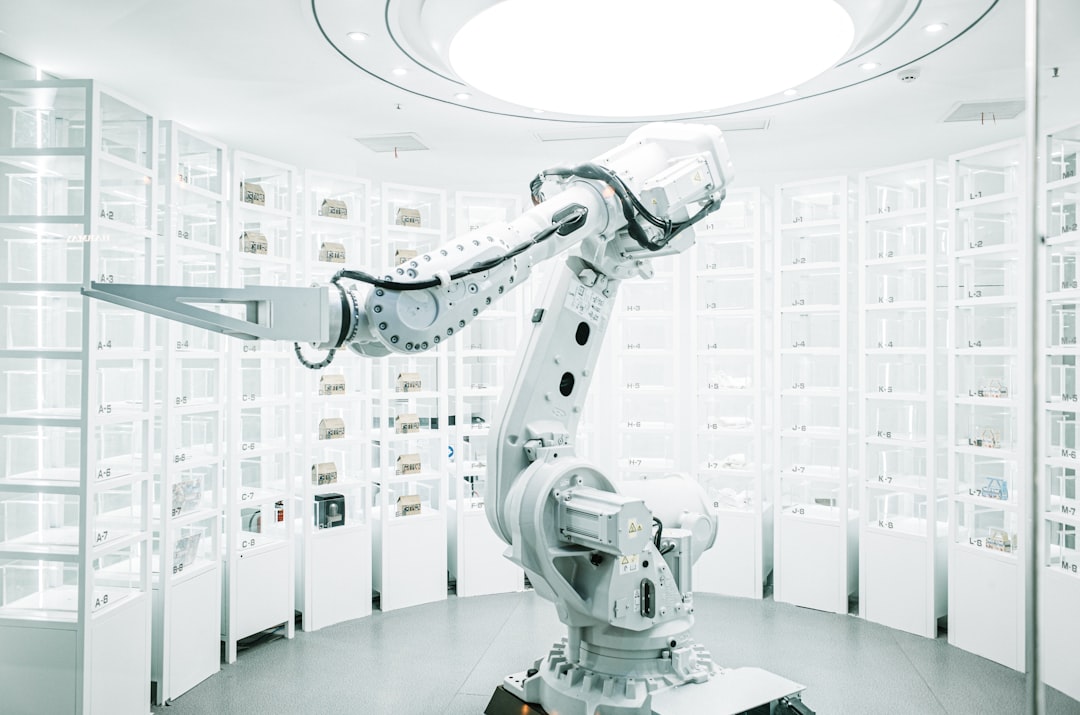
Artificial intelligence is revolutionizing healthcare, streamlining diagnoses, enhancing patient care, and raising concerns over data privacy.
Artificial intelligence (AI) is making significant strides in the healthcare sector, helping doctors and patients alike navigate an increasingly complex system. From quicker diagnoses to improved doctor-patient interaction, AI is proving to be a vital tool for medical professionals. With these advancements, however, concerns over de-skilling and data privacy remain pressing issues that need attention. These developments are the focus of Dr. Robert Wachter’s new book, A Giant Leap: How AI Is Transforming Health Care and What It Means for Our Future.
Dr. Wachter, department chair of medicine at the University of California, San Francisco, recently joined Dr. John Lucey to discuss the positives and pitfalls of AI in healthcare. They shed light on how new technologies are improving efficiency while underscoring the importance of human judgment in medicine.
How AI is Benefiting Health Care
AI is already making a sizable impact on medical processes. Its integration into healthcare supports both routine interactions and complex diagnostics:
Quicker Diagnoses and Better Documentation
Doctors now use AI tools to document their consultations in real time. With a device on hand, a physician is able to maintain meaningful eye contact and interact with their patient while AI creates an accurate documentation of the visit. AI also helps practitioners sift through vast medical records, enabling swifter and more accurate diagnoses. Millions of data points, such as history of illnesses or test results, are analyzed within minutes—something that would be impossible manually.
Patient Empowerment
AI tools are empowering patients to take a more active role in their health. With access to apps and online platforms powered by artificial intelligence, individuals can input symptoms and receive potential diagnoses or health recommendations. While these tools are not a substitute for professional care, they encourage proactive health management.
Enhancing Medical Procedures
During procedures like colonoscopies, AI acts as an assistant. Dr. Lucey explained how AI identifies subtle polyps, such as flat polyps that are difficult to detect with the human eye alone. The system uses visual cues, like highlighting areas of interest, to ensure no abnormalities are missed—a critical advancement in preventative care.
Challenges and Risks: De-skilling and Data Privacy
While AI offers immense potential for healthcare, critics and professionals caution against over-reliance. Two key concerns are de-skilling of medical professionals and safeguarding patient data.
De-skilling of Medical Professionals
There is a real fear that healthcare professionals might lose certain diagnostic or technical skills as AI systems take over repetitive or complex tasks. Dr. Wachter emphasized the importance of maintaining a "delicate balance" where AI supplements human capabilities without completely replacing them. For example, while medications for common conditions like high blood pressure may soon be AI-prescribed, broader health concerns such as cancer diagnoses should remain within human hands.
Data Privacy Worries
AI systems rely on vast quantities of data to function effectively, often requiring access to sensitive patient information. While companies assure that patient data remains private and won’t train AI models, many are wary. Safeguards need to exist to make sure that sensitive information—such as histories of mental health diagnoses or critical diseases—does not get misused. Patients should be cautious about the data they willingly share, especially for conditions they cannot afford to become public knowledge.
The Human Touch: What AI Cannot Replace
Despite its advancements, AI cannot replace human emotions, intuition, and compassion. Dr. Wachter recounted how he identified a patient’s emotional distress simply from the tone of her greeting. An algorithm might correlate physical symptoms with historical data, but it cannot pick up subtleties like a "different kind of ‘hi’" or a spontaneous burst of tears. Similarly, important conversations—such as discussing a cancer diagnosis—still need the nuance and empathy of a human doctor.
Collaboration Between Doctors and AI
The partnership between AI and doctors should play to their unique strengths. AI excels in processing vast amounts of raw data, identifying patterns, and assisting in diagnostics. However, it is doctors who interpret these results and decide the best course of care tailored to the individual patient. Striking this balance is critical to ensuring effective and ethical healthcare.
Practical Use Cases of AI in Modern Medicine
To highlight how AI is actively changing healthcare, here are some real-world implementations:
| Area of Application | Key Benefits |
|---|---|
| Diagnostics | Faster analysis of test results; identification of rare illnesses |
| Documentation | Automatic transcription during patient consultations |
| Preventative Care | Identification of conditions during routine procedures like colonoscopy |
| Telemedicine Assistance | AI-driven chatbots for answering basic medical inquiries |
| Pharmaceutical Guidance | Alerts for drug interactions based on medical history |
Key Takeaways for the Health Industry
-
AI is a valuable tool, not a replacement for clinicians. Tasks like diagnosing common issues may be better handled by automated systems, but nuanced, multifactorial decisions still require human judgment.
-
Data privacy remains critical. Healthcare providers must adopt stringent measures to ensure that patient data is encrypted and used responsibly.
-
Human intuition cannot be automated. While algorithms can flag anomalies, the irreplaceable acts of reassuring a nervous patient or detecting emotional distress lie firmly in the hands of human practitioners.
Conclusion
Artificial intelligence is reshaping the healthcare landscape. Its ability to streamline medical procedures and reduce cognitive load on doctors improves outcomes for patients. However, maintaining the balance between automation and human engagement is crucial. Healthcare systems must use AI to enhance human skills, not diminish them, while simultaneously addressing concerns related to privacy and ethics. As AI continues to develop, it has the potential to usher in a golden age of medicine—but only if used wisely.
Staff Writer
Chris covers artificial intelligence, machine learning, and software development trends.
Comments
Loading comments…


