Manchester cybersecurity symposium explores AI and extended reality in the workplace
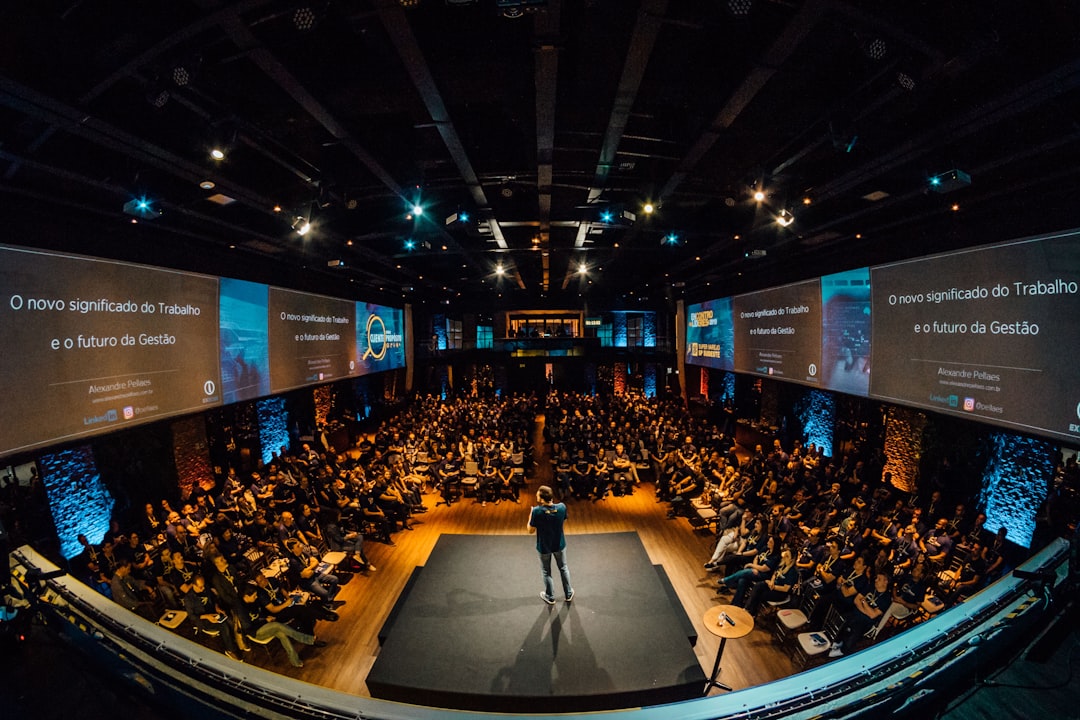
The annual cybersecurity symposium at Manchester Community College highlights AI and extended reality, focusing on real-world applications in the workplace.
For the seventh year running, Manchester Community College (MCC) has hosted its annual cybersecurity symposium, drawing experts and enthusiasts from the tech community to discuss pressing issues and innovations. This year’s event spotlighted two transformative technologies: artificial intelligence (AI) and extended reality (XR).
The multi-day symposium offered participants a vivid look at how AI and XR are reshaping workplace dynamics. Designed to go beyond abstract discussions, the event emphasized real-world applications, aiming to equip attendees with practical knowledge and tips for navigating increasingly tech-driven professional environments. According to the director of MCC’s computer science program, the goal is to ensure that participants leave with a stronger grasp of cybersecurity safety measures and a sense of how cutting-edge tools like AI and XR are integrated into modern workspaces.
The intersection of AI and workplace innovation
Artificial intelligence, long a focal point in technological advancement, continues to make waves in how industries operate. During the symposium, speakers delved into applications ranging from automating cybersecurity protocols to using predictive analytics for preventing data breaches. AI’s adaptability across multiple sectors, such as finance, healthcare, and law enforcement, was a critical talking point. For example, one session highlighted how AI-driven algorithms can assist law enforcement agencies by analyzing cell phone tower data to track suspect movements—a process that once required significant manual effort.
The role of AI in enhancing workplace productivity was another major theme. By automating repetitive tasks, improving decision-making processes, and personalizing user experience, AI can empower businesses to operate more efficiently. The discussions also underscored how important it is for professionals to understand AI’s capabilities and its potential vulnerabilities, especially in terms of cybersecurity.
Extended reality: bridging physical and virtual
While AI often captures headlines, this year’s symposium gave extended reality—an umbrella term for technologies like virtual reality (VR), augmented reality (AR), and mixed reality (MR)—a well-deserved spotlight. MCC’s computer science department showcased XR’s potential to transform how businesses approach collaboration, training, and problem-solving.
One particularly compelling example discussed during the event involved using extended reality tools to conduct remote training sessions. These technologies enable employees to visualize and interact with complex systems in a way that wouldn't be possible through traditional methods. For instance, XR allows workers thousands of miles apart to virtually assemble or disassemble machinery, thus reducing the need for on-site experts. In today’s globalized world, this has clear advantages, notably for engineering, healthcare, and manufacturing sectors.
Another speaker pointed to XR’s ability to enrich virtual meetings. Beyond the now-ubiquitous video calls, extended reality technologies can create an immersive environment where participants feel like they are physically in the same room—a breakthrough for brainstorming sessions, client demonstrations, and international negotiations.
However, as promising as XR technologies are, the event also highlighted the importance of cybersecurity considerations. Extended reality systems, with their reliance on vast amounts of data and real-time connectivity, present unique challenges that cybersecurity experts must tackle. These include safeguarding sensitive information and protecting XR platforms from vulnerabilities that could be exploited by malicious actors.
Bridging classroom theories and real-world impacts
One standout feature of the MCC symposium was the active role that students played throughout the event. Several student presenters shared projects that applied classroom knowledge to real-world challenges, offering fresh perspectives on how emerging technologies can make a tangible difference. For instance, a student-led demonstration explained the use of AI in analyzing patterns of cyberattacks, illustrating how simulated environments could be used to test and refine defenses before an actual breach occurs.
Another example involved discussing how XR could support social causes such as disaster response and recovery. By enabling first responders to visualize affected areas in 3D before setting foot on the ground, extended reality provides tools that can save lives while minimizing risk.
This focus on bridging theory and practice aligns with MCC’s “future-first approach.” The computer science program aims to groom its students not only for the technology currently in use but also for the tools and methodologies that are expected to dominate workplace environments in the years to come.
What the symposium signals for the field of cybersecurity
Events like the MCC cybersecurity symposium are significant not merely for the insights they offer but for the conversations they spark among academics, professionals, and aspiring technologists. By centering its discussions on AI and XR, the program reinforces an understanding of how technology is reshaping industries.
Attendees left the symposium with actionable takeaways, from better understanding how to secure data in XR environments to exploring AI’s role in devising predictive cybersecurity strategies. But perhaps the broader message was this: staying ahead in today’s tech-driven world isn’t about simply adopting new tools—it’s about continuously learning and preparing for what comes next.
As MCC’s program director aptly put it, extended reality and artificial intelligence “are about business”—not just in the sense of profit but in how they help organizations innovate across borders, simplify complex tasks, and rethink traditional workflows. With events like this symposium, Manchester Community College continues to foster dialogue on where technology is heading and how individuals and organizations can adapt effectively.
Looking forward
The 2023 cybersecurity symposium served as both a showcase and a learning opportunity, setting the stage for future discussion on ever-evolving topics. With its commitment to preparing students and community members for a tech-centric future, MCC's event highlights a larger trend: the need for interdisciplinary thinking and collaboration in solving complex technological challenges.
As the pace of innovation speeds up, understanding the synergy between artificial intelligence, extended reality, and cybersecurity will only grow more essential. Events like this ensure that the key stakeholders—students, businesses, and technologists—are not only informed but also equipped to thrive in this rapidly changing environment.
Staff Writer
Chris covers artificial intelligence, machine learning, and software development trends.
Comments
Loading comments…


