How AI is reshaping college majors as students adapt to an uncertain workforce
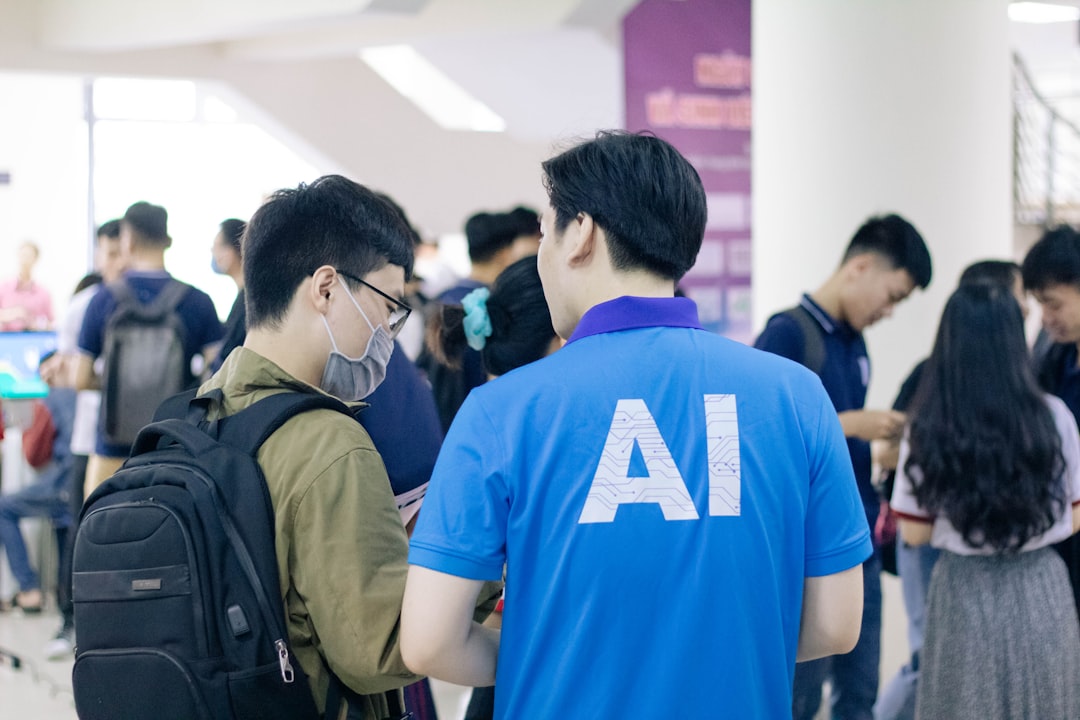
Harvard poll reveals 70% of students fear AI's impact on jobs, prompting a shift from tech degrees to human-centric fields.
A recent Harvard poll has revealed a significant shift in how college students are choosing their majors, driven by growing concerns about the long-term impact of artificial intelligence (AI) on the job market. According to the survey, 70% of college students see AI as a direct threat to their future career prospects, a statistic that highlights the growing anxiety surrounding automation and machine learning’s role in shaping industries. This fear is prompting many students to move away from traditionally secure tech degrees and toward disciplines that emphasize skills AI struggles to replicate—critical thinking, communication, and human connection.
Why students are pivoting
The rapid rise of AI tools and their adoption across various industries have left students questioning the viability of long-term careers in technology-heavy fields. When machine learning algorithms can now write code, sort data, and automate complex processes, students are weighing whether investing in computer science or software engineering degrees will pay off in the decades to come. Instead of entering potentially saturated fields, many are opting for studies in areas AI is less likely to fully replace, such as philosophy, psychology, sociology, and education.
In a workforce increasingly being transformed by automation, these disciplines offer a certain kind of job security. Professions centered on human connection or complex interpersonal challenges—like mental health counseling, teaching, or policy-making—highlight the irreplaceable value of human intuition and emotional intelligence. These shifts reflect a desire among students to future-proof their careers in roles where uniquely human skills remain indispensable.
The ripple effect on tech degrees
The Harvard survey indicates that tech-focused majors, once viewed as bulletproof against unemployment, now carry an unprecedented level of uncertainty. As the role of programmers and engineers evolves in a world where AI can self-improve upon its own code, some students are increasingly hesitant to compete against the very systems they might help create. This does not necessarily mean a full retreat from technology altogether, but the disillusionment with purely technical roles is clear.
This trend raises immediate questions about how universities should adapt. Should curriculum planners reconsider how they teach technology-related skills in the era of AI? For example, pairing technical expertise with critical skills in domains like ethics or public policy may better equip students to navigate the ethical quandaries AI entails.
Universities acknowledge a transitional era
Not only are students rethinking their futures, but university administrators are grappling with how to steer their institutions forward during this tipping point. Some university presidents have acknowledged that they, too, do not have all the answers. This blunt acknowledgment underlines just how deeply AI is reshaping societal norms and educational priorities. Historically, higher education has lagged behind in adapting to such disruptive technological waves, though this time the stakes feel particularly urgent.
One possible solution is to strengthen ties between academic institutions and industry leaders. Collaborative internship programs, forward-looking research labs, and stronger career counseling tailored to the AI era could all prepare students to better understand the shifting demands of the workforce. Universities could also help students better grapple with the philosophical and societal implications of developing and working alongside intelligent systems.
Human-centric fields take the spotlight
In many ways, the pivot toward fields emphasizing soft skills—such as communication, emotional intelligence, and critical thinking—underscores just how irreplaceable human ingenuity still is, even in an AI-laden economy. For example, while an AI might write a screenplay or deliver a persuasive sales pitch, the effectiveness of the result depends heavily on understanding nuanced cultural, emotional, and social dynamics. Professions centered around counseling, teaching, or entrepreneurship may experience a clearer path forward as they are driven by deeply human factors that machines cannot currently replicate.
Balancing ambition and caution
For both students and parents, navigating this shift can feel daunting. It forces young people to reconsider long-held assumptions about "safe" and "prestigious" careers. But rethinking what "success" looks like in the AI age may ultimately lead to a workforce with a broader set of capabilities. Students who embrace this challenge with flexibility—developing not just technical expertise but also the ability to adapt and collaborate—may find a world of opportunities opening to them, even in unexpected fields.
What comes next?
AI’s fingerprints on the workforce are only just beginning to show. As automation advances, educational institutions and the job market will need to continuously evolve. For now, students’ concerns are clear, and their response—a retreat from tech-centric majors in favor of human-focused disciplines—is an early indicator of how the rising generation plans to meet the challenges ahead.
AI will undoubtedly continue to prompt uncertainty, but it serves as a reminder of the enduring importance of our human capacity for innovation, empathy, and adaptability. The question is whether universities can keep pace with this rapidly shifting landscape and prepare students for a world where both technology and humanity coexist—and clash—in increasingly complex ways.
Staff Writer
Maya writes about AI research, natural language processing, and the business of machine learning.
Comments
Loading comments…


