How ChatGPT and AI May Impact Brain Health: Insights from Experts
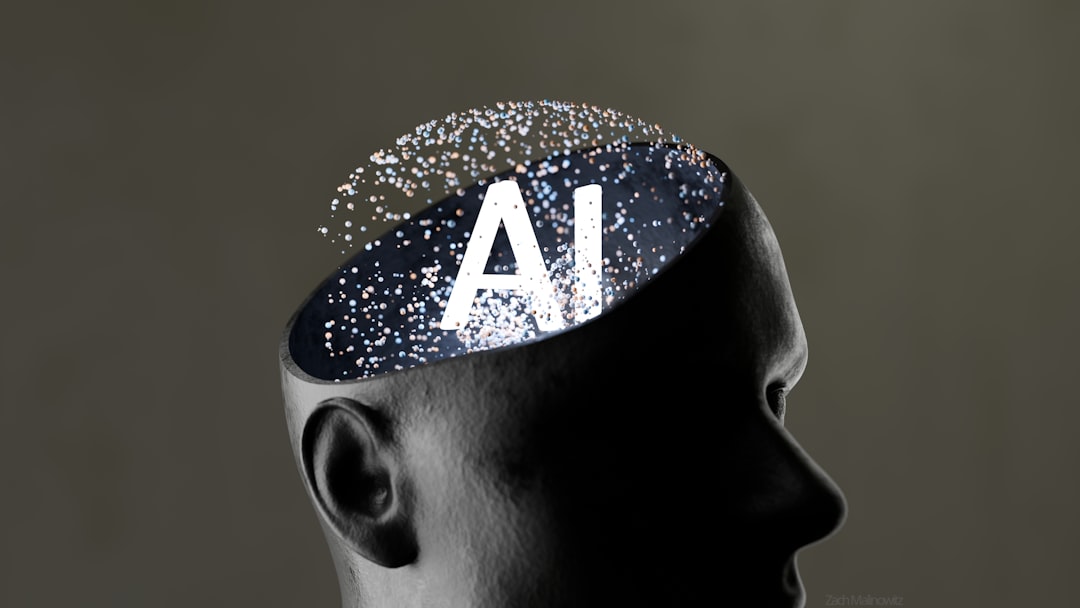
Experts warn ChatGPT usage may reduce brain activity and memory retention, citing a 47% drop in activity in a study. Learn how to use AI healthily.
AI Tools Like ChatGPT Could Harm Your Brain Health if Misused
A recent study from MIT has sparked concerns over how AI tools like ChatGPT may be affecting brain function. While these tools offer convenience, experts argue that overreliance on them could impair memory and long-term cognitive abilities. As more people use AI to simplify their tasks, it raises critical questions about the consequences for mental health and intellectual engagement.
The MIT Study: Understanding the Risks
A study conducted by MIT involving 54 participants from prestigious universities such as Harvard and Boston University found significant cognitive differences between those who wrote essays with the help of ChatGPT and those who didn’t. The results were alarming:
- 47% drop in brain activity: EEG scans revealed much weaker neural engagement among the group using ChatGPT compared to those who wrote unaided.
- Memory issues: Participants using ChatGPT often couldn't recall key details of their essays even minutes after completing them.
- Lingering cognitive impact: When ChatGPT users were later asked to write without assistance, their brains stayed in “low gear,” suggesting long-term effects on mental engagement.
- Decreased ownership: The AI-assisted participants felt little personal connection to the work produced, highlighting a disconnect in the learning process.
"Use it or lose it," explains psychiatrist Dr. Daniel Amen, emphasizing how neglecting brain engagement can lead to cognitive decline and even increase risks of dementia. Neuroscientist Dr. Terry Sejnowski noted that reduced usage of neural networks weakens brain plasticity over time.
Implications for Developing Brains
These warnings are particularly concerning for younger generations. Smartphones, social media, and digital tools have already been linked to declining mental health among kids, a trend that AI tools could accelerate. Dr. Amen refers to this as the "sickest generation," citing longer screen time and now AI as contributors to diminished cognitive resilience.
How Overreliance on AI Mirrors the Calculator Effect
Dr. Sejnowski drew a parallel to the introduction of calculators decades ago. While calculators made arithmetic more accurate, they also diminished mental math skills. The long-term effects of ChatGPT, however, are potentially more far-reaching because the tools target core mental faculties like memory retention and critical thinking.
How AI Can Be Used to Strengthen Cognitive Abilities
Despite these risks, AI tools like ChatGPT can be used in a way that benefits the brain—if approached correctly. Both experts agree that the key lies in interaction rather than passive reliance.
Best Practices for Using AI Wisely:
-
Be interactive, not passive: Rather than simply asking ChatGPT to produce an entire essay or project, engage with the tool by questioning its answers and learning from the process. For example, ask why a certain result was generated or how it could be improved.
-
Supplement learning, don’t replace it: Use ChatGPT as an educational assistant, not a substitute. Read and analyze its outputs critically.
-
Focus on lifelong learning: Engage in activities that encourage new skills and knowledge development. Research shows continual learning reduces dementia risk and strengthens neural pathways.
Dr. Amen personally uses an AI assistant, having uploaded all his books, research, and lectures, to generate tailored responses. The critical piece, however, is that he challenges the AI during every exchange to get deeper insights, ensuring his brain remains engaged.
Long-Term Cognitive Load and Dementia Risks
Aging brain health expert Dr. Amen highlights the role cognitive load plays in dementia prevention. Simply put, cognitive load refers to how much work your brain does. Tools like ChatGPT can lighten mental effort, freeing up time for other tasks. However, without using the "freed space" productively, reduced engagement can lead to long-term harm.
Evidence Supporting the Cognitive Load-Dementia Link:
- Lower education correlates with earlier dementia: Studies show individuals with minimal schooling have higher rates of early Alzheimer’s onset compared to those with advanced education.
- Engagement is protective: Activities requiring mental effort strengthen neural networks, reducing dementia risk.
"Cognitive load is like weightlifting for the brain," says Dr. Amen. Reducing it too much by outsourcing thought to AI tools weakens mental muscle.
Are Children at Greater Risk?
Young brains are particularly vulnerable to the risks detailed in the MIT study. Combining the mental impact of AI with heavy exposure to social media could create a generation lacking critical thinking skills. Dr. Sejnowski warns that the long-term effects of this behavior may take decades to become evident.
“Short-term incentives like convenience, likes, and clicks drive behavior, even when people recognize the long-term risks,” he notes. For example, despite widespread knowledge about the health repercussions of poor diets and excessive screen use, obesity and anxiety disorders among young people continue to rise.
Setting Healthy Boundaries Around AI Tools
Dr. Amen and Dr. Sejnowski suggest educating future generations on brain health and cultivating habits that prioritize mental fitness. AI use should be framed as a tool, not a replacement for cognitive effort.
Tips for Fostering a Healthy Relationship with AI:
- Encourage deeper engagement with AI’s outputs rather than superficial use.
- Limit daily reliance on AI tools to balance real-world problem-solving with assisted tasks.
- Teach children the importance of long-term thinking and how it applies to brain health.
Practical Takeaways
- The MIT study underscores the need for caution in using ChatGPT and similar tools.
- AI tools should enhance learning, not replace it. Active engagement is critical.
- Lifelong learning remains the most effective way to protect brain health, reducing the risks of dementia and fostering creativity.
- Educating younger generations on the importance of mental fitness is essential in mitigating potential cognitive harm.
Conclusion
Large language models like ChatGPT offer undeniable benefits but must be used responsibly. The trade-off for convenience, if mismanaged, could be a significant loss in mental agility and memory. Both Dr. Amen and Dr. Sejnowski emphasize that these tools should complement, not replace, cognitive processes. By fostering a balanced relationship with AI, we can take advantage of its capabilities without sacrificing brain health.
Staff Writer
Maya writes about AI research, natural language processing, and the business of machine learning.
Comments
Loading comments…


