Anthropic Faces Major Setback as Claude Source Code Leaks Online
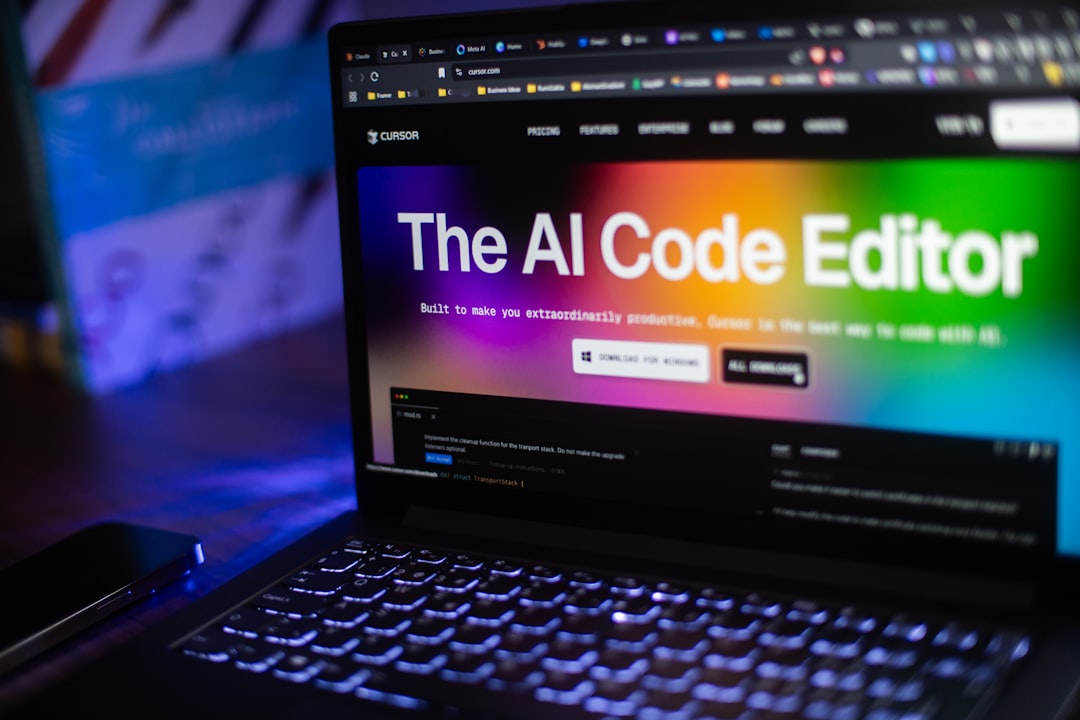
Anthropic, known for its focus on safety-first artificial intelligence, accidentally leaked its Claude source code, raising concerns and sparking debates on AI security and competition.
Anthropic, an artificial intelligence company valued at $380 billion and known for its strong stance on AI safety and secrecy, has found itself under intense scrutiny following the accidental leak of the source code for its Claude language model. The incident, which unfolded in the early hours of April 1, 2026, has not only exposed key technical details but also raised questions about the challenges of keeping AI proprietary in an increasingly competitive landscape.
The Leak: What Happened?
At 4:00 a.m., a security researcher named Chiao Fan Sha discovered that version 2.1.88 of the Claude Code npm (Node Package Manager) package was unintentionally released with a 57 MB sourcemap file. Sourcemap files, typically used in development, allow for the debugging of code by providing readable source code linked to the bundled software. This particular file contained over half a million lines of TypeScript code—the complete blueprint for the Claude model.
The leak was quickly mirrored and distributed across the internet, outpacing Anthropic’s efforts to issue Digital Millennium Copyright Act (DMCA) takedown notices. By the time the company’s legal team began responding, the damage was already done, with the code cloned and explored by developers globally. Some users noted the irony that Anthropic—staunch promoters of closed-source systems for ethical reasons—had inadvertently become “more open” than competitors like OpenAI.
How Did the Leak Happen?
The cause of the leak appears to hinge on a misstep in Anthropic’s build process. The company builds Claude using Bun.js, a fast JavaScript runtime it recently acquired. About three weeks before the leak, a GitHub issue flagged concerns about Bun.js serving sourcemaps in production environments. This raises suspicions that either a developer released the sourcemap accidentally or that this was a deliberate act by a rogue individual. While definitive answers remain elusive, this oversight underscores the risks inherent in complex modern development workflows.
Key Discoveries from the Source Code
Beyond the immediate impact of the leak, the release of Claude’s code offers insights into its internal workings, technologies, and philosophy.
-
Multistep Processing Framework: Unlike traditional chatbot systems that operate on simple dynamic prompts, Claude’s framework involves 11 distinct processing steps to generate responses. This intricacy demonstrates the sophistication of Anthropic’s model but also reinforces how much of AI technology relies on well-established programming principles.
-
Anti-Distillation Techniques: The source revealed mechanisms to deter imitation. Anthropic employs "anti-distillation poison pills," which introduce misleading artifacts—imaginary tools and workflows—into Claude’s outputs, making it harder for competitors to use these outputs to train rival AI systems. Now, with the source code public, these tactics are rendered ineffective.
-
Undercover Mode: A feature designed to disguise Claude’s contributions, undercover mode prevents the model from identifying itself in commit histories or outputs. While the stated purpose is to prevent leaks, critics speculate it might allow Anthropic to deploy AI-generated code covertly in open-source projects.
-
Frustration Detector: The code includes a regex-based frustration detector, which logs user prompts that imply dissatisfaction, such as complaints or humorous grievances. While this highlights efforts to monitor user experience, it also reflects some of the inherent limitations of current AI systems.
-
Special Features and Roadmap Insights: Several hidden features were uncovered, including a project named "Buddy," described as a Tamagotchi-like virtual companion for developers, and "Chyrus," a time-based agent designed to perform background tasks. Other references to tools like "coordinator mode," "ultra plan," and "demon mode" suggest ambitious plans for future capabilities.
The Community Response
Following the leak, the open-source community wasted no time innovating with the exposed code. A Python rewrite of Claude’s code, dubbed "Claw Code," emerged almost immediately and quickly garnered over 50,000 stars on GitHub. Another fork, called "OpenClaw," aims to adapt Claude’s core functionalities to work seamlessly with other AI models. This rapid development showcases both the ingenuity and ethical complexities surrounding open-source adaptations of proprietary technology.
Security and Ethical Implications
The leak couldn’t have come at a worse time for Anthropic, which has been positioning itself for a high-profile IPO later this year. The discovery that Claude uses potentially compromised software packages, like Axios—a dependency recently linked to an exploit—adds further concerns about Anthropic’s security protocols.
Moreover, the incident highlights the broader risks in the AI industry. Even with advanced guardrails and strategies to deter imitation, the ease with which proprietary code can become public exposes vulnerabilities in centralized development models. Companies like Anthropic, which invest heavily in intellectual property, now face greater pressure to balance secrecy with transparency.
The Broader Context
Anthropic’s dilemma raises critical questions for the AI industry as a whole. Should foundational AI technologies be guarded as trade secrets, or does the community benefit more from open access and collaboration? While proponents of closed systems argue for safety and control, critics see this as a stifling of innovation and trust. Ironically, leaks like this undermine both perspectives by turning proprietary systems into open resources overnight.
For Anthropic, the challenge ahead is twofold: mitigating the competitive and reputational fallout of this leak while addressing the vulnerabilities revealed within its own processes. As the AI industry accelerates toward greater adoption and scrutiny, this incident serves as a cautionary tale of the fine line between innovation and exposure.
Staff Writer
Maya writes about AI research, natural language processing, and the business of machine learning.
Comments
Loading comments…


