Indigenous Communities Discuss Artificial Intelligence Challenges and Opportunities
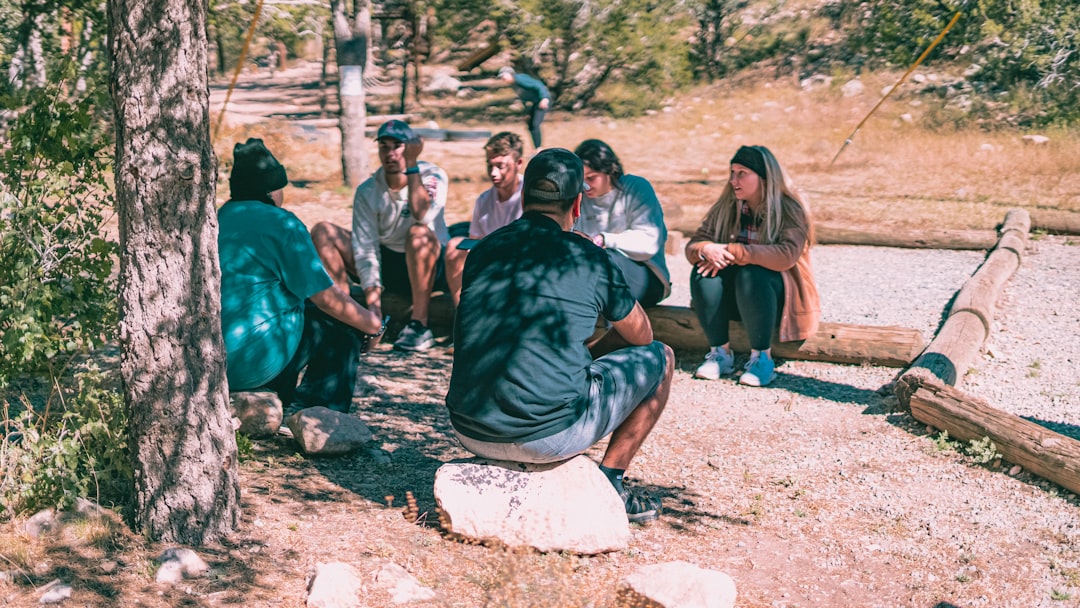
A discussion in Lawrence highlights how Native communities can adapt to AI, addressing accountability, reliability, and cultural perspectives.
Native communities are stepping into the conversation around artificial intelligence (AI) with a focus on how it can align with their values while addressing potential risks. A recent event held in downtown Lawrence provided a platform for Dr. Dan Wildcat and Chamisa Edmo to engage in a thoughtful discussion about what AI means for indigenous communities.
Adapting AI to Indigenous Contexts
The central question posed during the evening revolved around how indigenous communities can adapt to the growing presence of AI—whether viewing it as a resource or a challenge to be navigated. Dr. Dan Wildcat emphasized the need for a cautious and deliberate approach. "You’ve got to go very slow at first," Wildcat remarked, observing that rushing into AI initiatives without clear expectations or strong foundations could undermine their value.
Wildcat introduced the concept of "AI 1.0" to describe what he calls ancestral intelligence. According to him, this form of intelligence, rooted in wisdom and cultural heritage, cannot be replicated or replaced by artificial systems. This framing underscores the belief that while AI may offer tools for problem-solving, it lacks the deeper, ineffable qualities inherent in human and cultural knowledge.
Key Challenges for AI in Native Communities
The audience posed several critical questions about the trustworthiness and accountability of AI systems. Concerns included the difficulty in verifying the sources of AI data, distinguishing reliable information from the unreliable, and identifying who might be held accountable if AI systems provide false or even harmful outputs.
One participant poignantly raised the issue of accountability in AI: “If you don’t know where it came from... who do you hold accountable?” This query reflects a broader conversation happening globally about the ethical implications of AI technology, particularly when accountability mechanisms are either absent or opaque.
Another major concern highlighted was security. Wildcat cautioned against connecting any indigenous-developed AI systems to the worldwide web, citing the risks posed by internet connectivity and data storage in the cloud. He stated that data stored online could be vulnerable to hacking, which has serious implications for communities seeking to protect sensitive cultural or operational information.
A Path Forward: Responsible Development
Wildcat proposed a relatively straightforward, albeit strict, solution for indigenous AI initiatives: avoid integrating these systems with the internet entirely. Though this might constrain functionality, it ensures greater control and minimizes security risks. He also urged developers within Native communities to ask deeply introspective questions about their goals and expectations for AI. By tailoring systems to Native priorities and limiting unnecessary external exposure, indigenous groups could harness the benefits of AI while mitigating its risks.
The discussion also highlighted the potential for collaboration and dialogue within Native communities to shape how AI is used. Chamisa Edmo underscored the value of centering these conversations within indigenous circles, advocating for culturally grounded approaches to AI adoption.
Striking a Balance Between Innovation and Tradition
Indigenous leaders like Wildcat and Edmo stress that AI must not overshadow ancestral intelligence but rather serve as a complement to longstanding cultural wisdom. Both speakers advocate for a vision of AI development that acknowledges Native priorities and knowledge systems, ensuring that technological adoption serves communities rather than undermines them.
Through slow, intentional adaptation, Native communities could create unique paths toward using AI as a tool that aligns with their values rather than a disruptive force. Such measured steps will provide much-needed clarity on how AI’s potential can intersect responsibly with the richness of indigenous traditions.
Practical Takeaways from the Lawrence Discussion
- Prioritize accountability: Ensuring clear accountability in AI systems is vital when dealing with potentially unreliable or harmful outputs.
- Limit connectivity: Avoiding integration with the worldwide web can protect sensitive data from security vulnerabilities.
- Go slow: Native communities are encouraged to take a cautious approach to AI development, ensuring that it aligns with their values and expectations.
- Preserve cultural intelligence: AI should complement, not replace, ancestral knowledge and cultural heritage.
- Focus on community dialogue: Engaging in conversations within indigenous communities about AI’s role can help ensure culturally relevant and thoughtful adoption.
Conclusion
The event offered valuable insights into the unique challenges and opportunities AI presents for indigenous communities. Speakers like Dr. Dan Wildcat and Chamisa Edmo highlighted the importance of developing AI systems in ways that respect and preserve Native traditions and wisdom. By ensuring that AI initiatives are rooted in cultural contexts and adapted sustainably, indigenous groups can find meaningful ways to adopt technology without compromising their values or security.
The discourse marks an essential step forward in ensuring that Native voices are central in shaping AI development that serves their communities rather than imposing external frameworks. It’s a testament to the need for culturally sensitive and ethical approaches to technology in an increasingly connected world.
Staff Writer
Maya writes about AI research, natural language processing, and the business of machine learning.
Comments
Loading comments…


