Portland musician sparks debate over AI-generated album
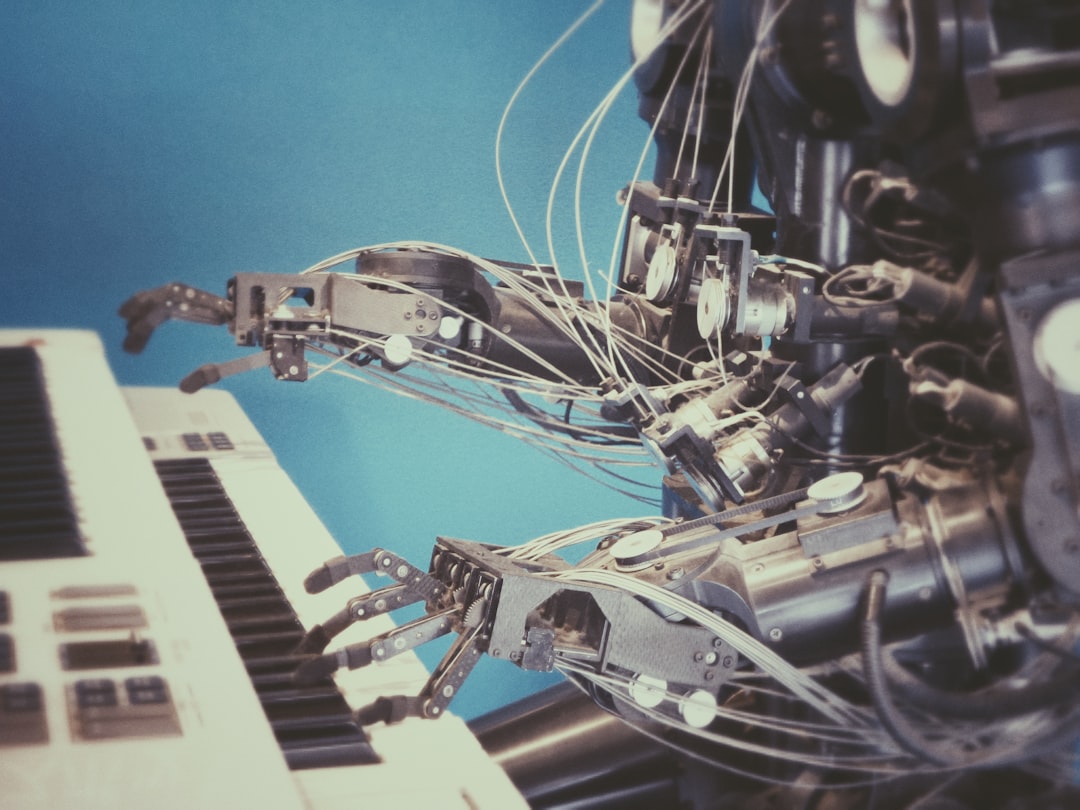
Portland artist Brandon Carmody faces backlash after releasing an album created entirely with AI tools, sparking debate on the ethics of AI in music.
A Portland-based musician has become the subject of heated debate after releasing an album created entirely using artificial intelligence (AI). Brandon Carmody, the artist behind the project, faced backlash after a local listening session for the album was canceled due to controversy over how the music was produced.
Speaking with SysCall News, Carmody detailed his unprecedented creative process: "This is the first record that I've made completely from prompts without playing the keyboard," he explained. While he embraced the innovation, he acknowledged the polarizing effect of his work. "That's also terrifying to me," he admitted, referencing the moral and ethical questions raised by replacing traditional instrumental performance with AI-generated compositions.
AI meets music: The ethical crossroads
Carmody's decision to craft an album entirely through AI touches on a broader conversation about the intersection of technology and artistry. Traditionalists argue that music is an inherently human craft—a product of emotion, skill, and hands-on technique. By contrast, AI-generated music utilizes algorithms trained on massive datasets, producing compositions that mimic various styles and instruments with polished precision.
While this technology opens new doors for creators—especially those without formal training—it also invites criticism. Detractors believe that relying on algorithms undermines the authenticity and emotional depth of music. In Carmody's case, it wasn’t simply listeners who took issue; a larger cultural debate is unfolding wherein musicians, fans, and industry professionals question whether such practices are a threat to the integrity of the art form.
"There's a conversation to be had here," Carmody said, conceding the validity of his critics' concerns. "They're raising moral and ethical issues about traditional musicians versus AI, and I have to respect that. I have to. Maybe take this moment to enter into an honest discussion about the morals of AI music."
Doubling down on AI music production
Despite the backlash, Carmody shows no sign of changing his creative methods. On the contrary, the controversy seems to have galvanized his commitment to AI as a primary tool. He expressed his intent to release another AI-generated album just days after the initial one—a move that could either be interpreted as defiance or a continuation of the artistic experiment.
"I'm gonna come back with the haters and drop a new record on Saturday. Sorry," Carmody declared unapologetically. Whether this next release will earn him a greater following or further intensify criticism remains to be seen.
A question of accessibility or artistry?
One of the more complicated questions surrounding this controversy is accessibility. AI-generated music platforms enable people without formal skills or access to expensive instruments to create full-fledged compositions. This democratization could empower more voices in the field of music, particularly underrepresented groups.
However, for some veteran artists and purists, that accessibility comes with a price. When musicians can bypass years of learning an instrument or mastering musical theory by typing prompts into an AI model, does the craft lose some of its unique value? Furthermore, AI systems draw from existing creative works during training—raising concerns over intellectual property and originality.
The industry’s wide-reaching implications
Music isn’t the only field grappling with AI's impact. Parallel debates are unfolding in visual art, writing, and even film production. Tools like OpenAI's ChatGPT, Stability AI’s Stable Diffusion, and other generative platforms have sparked conversations about how much of a creator’s work should be driven by personal skill versus technological assistance.
In music specifically, the stakes feel uniquely personal. Music is often tied to identity, memory, and cultural expression. Algorithms trained on sweeping datasets may lack the intimate context to replicate these deeper connections effectively—a concern that Carmody himself hinted at when he acknowledged his own initial fears about using AI.
Where does AI music go from here?
As Carmody prepares to release yet another AI-generated record, the broader conversation about technology’s role in art will likely continue to build momentum. Whether audiences embrace this evolution or reject it may hinge on perceptions of authenticity, innovation, and originality over the coming years.
For now, Portland remains a microcosm of this global dilemma: Will musicians like Brandon Carmody be seen as pioneers or provocateurs? And as AI tools become more advanced, who gets to decide what qualifies as legitimate artistry?
One thing remains clear: Carmody’s AI projects have struck a nerve, and the ripples could influence how society approaches not only music but creativity as a whole moving forward.
Staff Writer
Maya writes about AI research, natural language processing, and the business of machine learning.
Comments
Loading comments…


