Portland musician’s AI-created album ignites controversy, event canceled
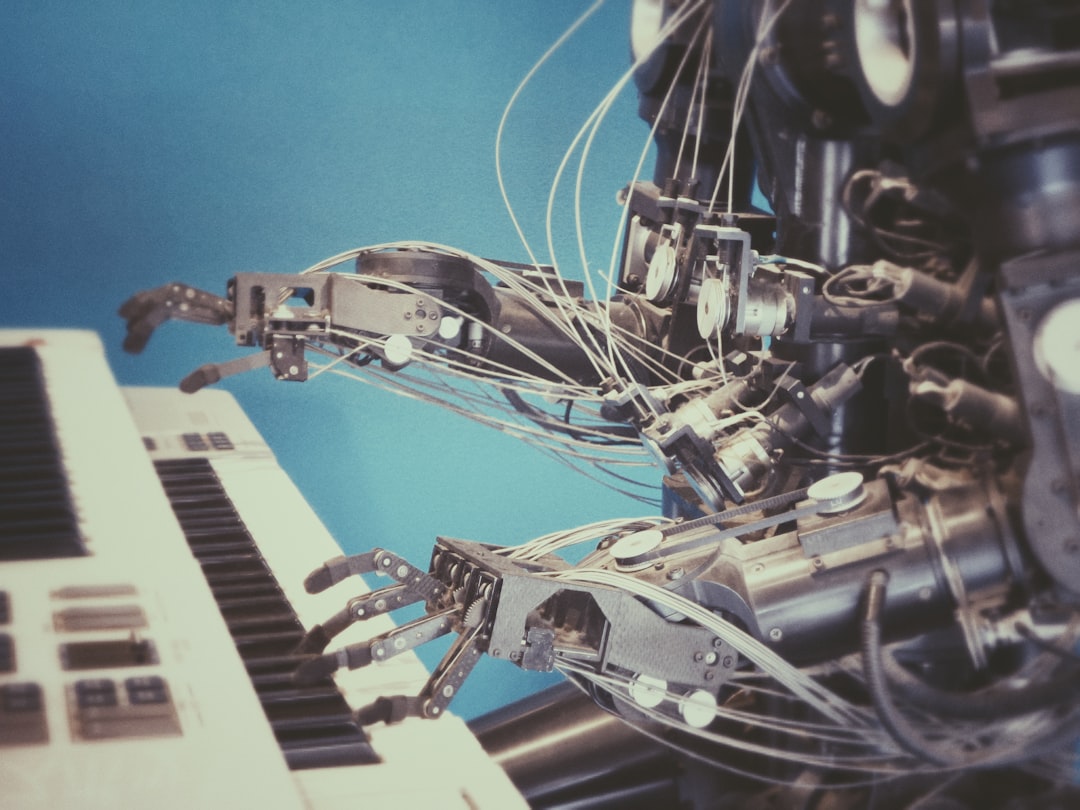
Portland artist Brandon Carmody's AI-created album sparks pushback, leading to the cancellation of a Music Millennium listening session.
AI is increasingly weaving its way into creative fields, from digital art to writing, and now, music. But for Portland artist Brandon Carmody, its integration came with unexpected backlash. The listening session for his latest album, titled AI, was scheduled to take place at the iconic Music Millennium record store. Instead, the event was canceled after mounting complaints from employees and the broader music community. The issue? The entire album was composed using artificial intelligence.
The album and its AI roots
Carmody's album, AI, was developed with the help of an AI program called Suno. Using a series of prompts fed into the system, the musician generated rock tracks without manually playing instruments or composing via a traditional keyboard setup. Speaking about the project, Carmody stated, "This is the first record that I've made completely from prompts without playing with the keyboard, and that's, that's also terrifying to me."
While the album was intended as a conversation starter to explore the impact of AI on society, its production method struck a deep chord—one of dissonance—with members of the local music scene.
The backlash and cancellation
Terry Currier, owner of Music Millennium, made the decision to cancel the listening session after fielding complaints from staff and members of the music community. "There’s a lot of musicians out there worried about AI, and they’ve got valid reasons to be worried," Currier explained. The sentiment expressed by critics and musicians underscored their unease over AI’s role in music production. Currier added, "This wasn’t created by a computer. These people are playing, and this is their talents."
The opposition highlights a central concern: whether AI detracts from or devalues the inherent artistry and human effort traditionally associated with music. At a time when many musicians are grappling with the financial and emotional challenges of the industry, the advent of AI-made music is sparking fears about its impact on creativity, authenticity, and livelihoods.
Why AI in music is polarizing
AI’s role in music is nothing new. Programs capable of composing tracks based on user-generated inputs or analyzing generative patterns have been in development for years. These tools are often marketed as supplementary aids for musicians, speeding up workflows or providing inspiration. However, when the technology replaces human involvement entirely, as with AI, the conversation often shifts to questions of integrity.
Critics argue that such AI-created works lack the emotional depth and skill that emerge from human experiences and intentionality. For musicians dependent on their craft for income, AI raises concerns about their place in a landscape where algorithms can produce potentially commercially viable tracks at little to no cost.
The broader cultural tension
The clash over AI provides a window into a larger debate about AI’s influence on creative industries. From AI artwork generating controversies in visual art competitions to writers wary of ChatGPT and other tools, resistance to machine-generated creativity is growing. Part of the pushback stems from philosophical concerns—does machine-generated content count as art? And if so, who “owns” the creation?
On the other hand, AI proponents suggest that the technology democratizes creation, offering tools to aspiring musicians, writers, and artists who may lack advanced technical skills or formal training. This accessibility, however, is met with resistance from professionals who spent years refining their craft. For them, each AI creation can feel like an undermining of their effort and significance within the creative ecosystem.
What’s next for Carmody and AI in music?
Carmody had hoped AI would spark a meaningful conversation, but likely didn’t anticipate the level of resistance he would face. While no future plans for the listening session have been announced, the artist’s reliance on AI underscores a trend that will only grow. Whether this trend finds mainstream acceptance remains to be seen.
Meanwhile, the music industry, and society at large, will need to grapple with what AI tools like Suno mean for the future of art. As debates continue, one thing is clear: the battle for the soul of music has arrived, and AI is its newest, most divisive instrument.
Staff Writer
Chris covers artificial intelligence, machine learning, and software development trends.
Comments
Loading comments…


