Sam Altman warns of AI's potential risks: job automation, cybersecurity, and bioengineering threats
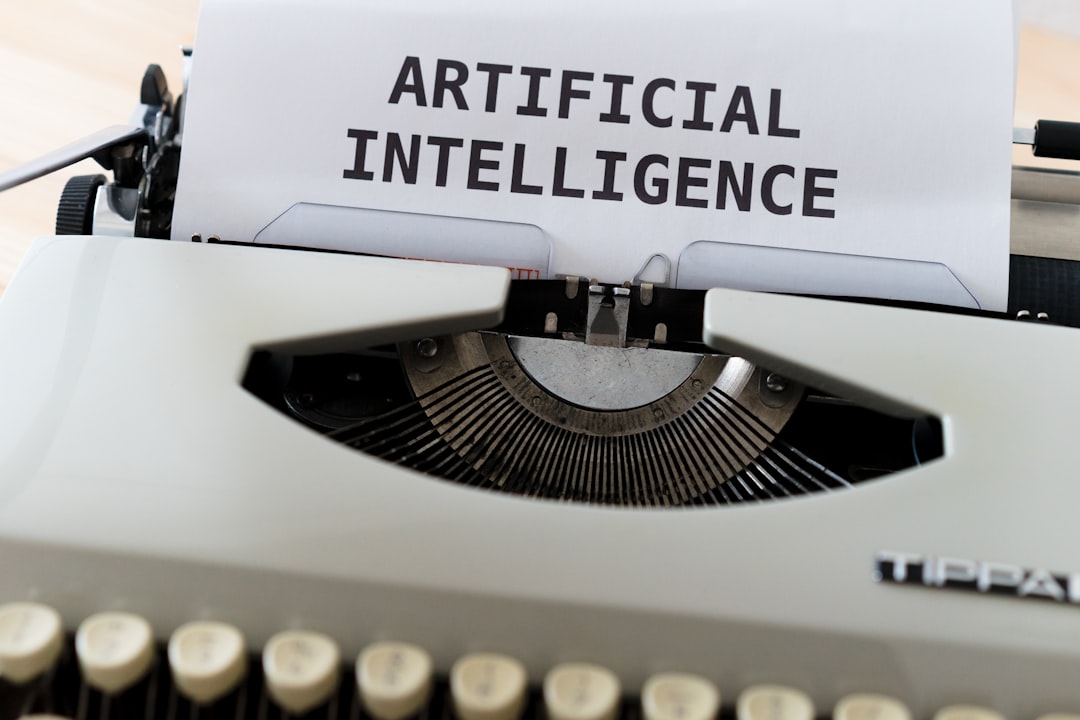
OpenAI's CEO Sam Altman highlights the transformative risks of AI, including job losses, enhanced cyber attacks, and potential misuse in bioengineering.
Artificial intelligence (AI) continues its rapid evolution, promising monumental advancements while raising significant concerns. Sam Altman, CEO of OpenAI, recently spoke on the risks and opportunities posed by AI, focusing on job automation, cybersecurity vulnerabilities, and the potential misuse of AI in bioengineering. Altman has emerged as a critical voice in the global AI conversation, but his dual role as a pioneer of the technology and a messenger of its dangers presents a complex dynamic.
A Decade of Shifting Priorities
Sam Altman, once known for his cautious approach to AI development, now advocates for accelerated innovation amidst competitive pressures. A decade ago, Altman expressed strong concerns about AI safety, striving to maintain a focus on long-term risks. Today, however, market demands and innovations from competing firms appear to have shifted his stance toward balancing rapid development with regulatory oversight. His shift reflects the intense competition in the AI space, which some liken to the disruption caused by the early Industrial Revolution.
Unlike historical monopolistic structures like the oil barons of the 19th century, today’s AI market is marked by varied players and vibrant competition. This dynamic landscape presents challenges for policymakers aiming to regulate effectively without stifling innovation. According to Altman, the White House seems to be leaning toward a "light-touch" regulatory framework, enabling AI to advance but within monitored boundaries.
Cybersecurity Vulnerabilities
One of Altman’s most pressing concerns is the role of AI in escalating cybersecurity threats. In conversation with John Hark, a national security expert and professor emeritus at the United States Naval Postgraduate School, key vulnerabilities in existing systems were emphasized. Hark warned, "Our systems are tremendously vulnerable," pointing to AI’s dual capacity for rapid defense measures and malicious exploitation.
AI fundamentally changes the cybersecurity equation. On one hand, automated algorithms bolster defenses faster than any human response. On the other, bad actors can leverage AI technologies to identify weak points, exploit systems, or launch sophisticated cyberattacks at an unprecedented scale. These risks amplify the urgency for governments and tech firms to develop strategies to prevent misuse.
The Threat of Bioengineering
Another alarming possibility lies in AI’s potential role in bioengineering. Altman and other experts have raised concerns about scenarios in which malicious individuals might utilize AI in conjunction with DNA synthesizers to craft deadly pathogens. This dystopian possibility underscores the unmatched power AI brings to both innovation and destruction. A future in which AI enables the creation of entirely new diseases for which humanity has no vaccines or treatments is not simply science fiction—it is a genuine concern among technologists and security experts.
Navigating the Job Market Transformation
Altman has also addressed the widespread worry about AI-driven job automation. As AI increasingly takes over tasks that were once the domain of human workers, significant job losses across industries are anticipated. Altman doesn’t minimize these concerns but suggests that strategic interventions, such as workforce retraining programs, could "cushion the blows of transformation." He also proposes innovative solutions like AI-time tokens, which could provide individuals or organizations with tradeable access to AI resources, signaling a shift to a post-traditional economic model.
Balancing Innovation and Regulation
Public trust in Altman’s recommendations is critical, yet not without skepticism. A recent New Yorker article questioned Altman’s motivations. Is his advocacy genuinely aligned with humanity’s best interests, or does it primarily serve OpenAI’s strategic objectives? The article paints a complex picture of Altman as both an advocate for responsible AI growth and a principal player in a competitive market. This duality complicates perceptions of his motives.
National security expert John Hark views Altman as credible, likening his approach to industrial policy to the vision of Franklin Delano Roosevelt rather than free-market economic theorists like Milton Friedman. In Hark’s opinion, Altman’s mix of market-driven innovation and public policy considerations could guide meaningful discourse for years to come.
A Transformative Decade Ahead
The risks and challenges Altman outlines are real and immediate. Whether it’s the acceleration of job losses, vulnerabilities in cybersecurity, or the potential misuse of bioengineering breakthroughs, the wide-reaching implications of AI demand vigilant oversight. Policymakers, technologists, and thought leaders face the unenviable task of regulating an industry that evolves faster than most legislative processes can keep up.
With the White House signaling a lighter regulatory touch, the opportunity lies in crafting policies that encourage innovation yet mitigate harm. Altman’s ideas, from workforce retraining to tokenized AI access, offer potential pathways to alleviate concerns.
The coming years will test whether these proposals—and Altman’s central role—can effectively steer AI’s development in directions that enhance humanity’s prospects rather than exacerbate its challenges.
Staff Writer
Maya writes about AI research, natural language processing, and the business of machine learning.
Comments
Loading comments…


