Understanding the rising consumer interest in precious metals
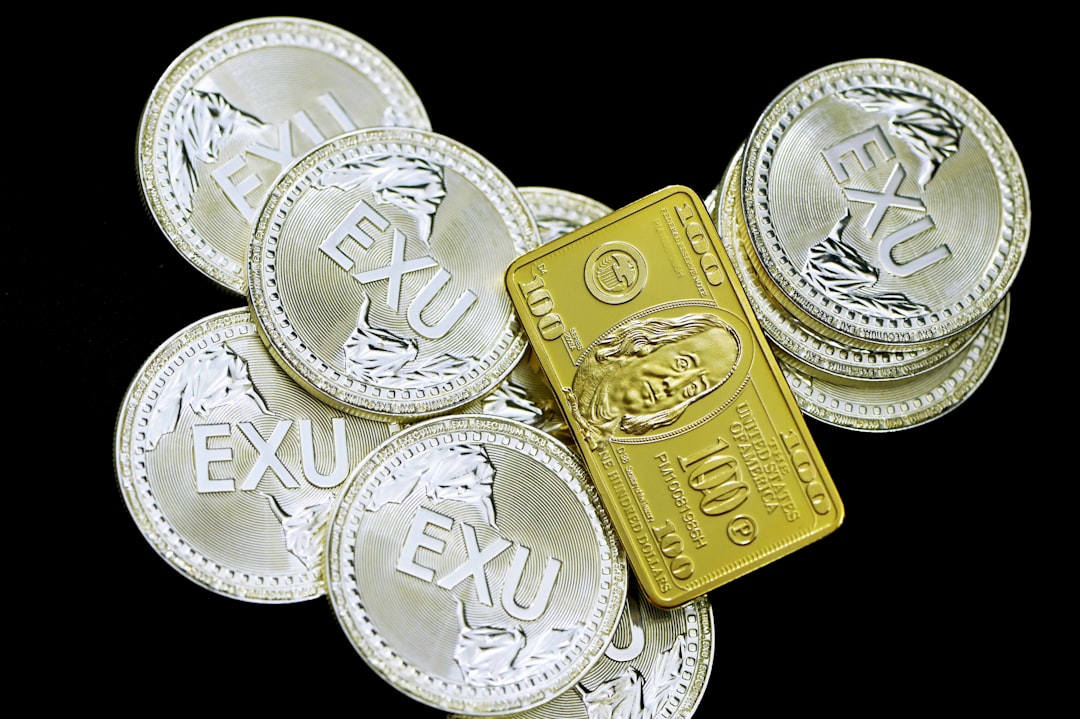
Gold and silver prices have surged dramatically in the past year, driven by geopolitical tensions, AI-related demand, and lower interest rates.
Gold and silver prices have taken center stage over the past year, with their values climbing steeply in what some are calling a 'perfect storm' of contributing factors. Between January 2025 and February 2026, the price of a single ounce of gold rose by 102%, while silver saw an even more dramatic increase of nearly 300% during the same period. Platinum followed suit with a 189% rise, and even copper—primarily used for industrial purposes—saw its value hike 49%. These gains point to a volatile yet opportunistic moment for precious metals, influenced by an interplay of geopolitical tensions, technological demand, and broader economic factors. Here's why these assets are in such high demand and why this trend matters to both investors and the tech-savvy alike.
A 'perfect storm' driving demand
Three primary factors appear to be fueling the unprecedented rise in these metals' values:
- Geopolitical instability: Global tensions, particularly in the Middle East, have played a significant role in boosting the demand for precious metals. Historically, gold and silver are seen as safe-haven assets during times of uncertainty and conflict. The draw toward these metals intensifies as investors seek stability amidst increasing volatility in political and economic arenas worldwide.
-
The technological buildout of AI: Beyond their traditional roles as financial hedges, gold and silver are critical to next-generation technology. Both metals are indispensable components in high-tech industries powering artificial intelligence (AI) and data center expansions. As the global demand for AI ramps up, so does the need for these metals. Gold and silver are foundational to everything from microchip production to the infrastructure supporting AI-driven applications. Platinum, too, plays its part, underpinning technologies that rely heavily on its unique catalytic properties.
-
Falling interest rates: Over the past 18 months, interest rates have begun to decline, which has historically supported rising prices in precious metals. The reason behind this relationship is simple: when interest rates fall, the appeal of holding non-interest-bearing assets like gold and silver increases, drawing more investors to these commodities.
Why are gold and silver at the forefront?
While platinum and copper have also seen gains, gold and silver stand out for their dual role as both financial assets and technological components. Gold’s traditional value as a hedge against inflation and its use in electronics cement its importance. Silver, however, is experiencing a particularly sharp rise due to its increased utility in industries like renewable energy, AI, and 5G infrastructure. Silver’s role in photovoltaic cells, used for solar panels, further underscores its critical role in green energy transitions.
Copper, while not considered a precious metal, has its own narrative. Its more modest 49% price increase reflects its primary association with industrial applications like wiring, construction, and batteries. However, the increased demand for electrification in the automotive and energy sectors ties into the same broader demand boom driven by technological advancements.
The AI connection
Artificial intelligence is emerging as a defining force behind global infrastructure investments. Data centers—comprising servers, memory units, and cooling systems—are among the largest consumers of precious metals. Gold is especially prized for its conductivity and corrosion resistance, making it essential for microchips and connectors. Silver, too, is critical for advanced sensors, switches, and the expanding 5G networks that enable AI applications.
As enterprises and governments alike continue to invest in AI-related technologies, the demand for these metals will likely remain elevated. This trend creates a unique intersection between financial speculation and tech-driven resource allocation, making gold and silver key commodities not just for investors but also for the future of technology.
Geopersonal unrest: The backdrop of insecurity
In addition to technological drivers, geopolitical unrest has historically pushed investors toward precious metals. The ongoing tensions in the Middle East contribute to a growing sense of economic uncertainty globally. These factors also influence broader equity and currency markets, making precious metals more attractive by comparison. The instability acts as a reinforcing loop, where demand spikes as risk perception grows, creating an environment ripe for asset price surges.
What happens next?
While the current surge in precious metals may seem unstoppable, several factors could temper this growth. If interest rates rise again, investors may pivot back to yield-generating assets like bonds, reducing demand for gold and silver. Additionally, any stabilization in geopolitical hotspots could ease investor anxiety, potentially dampening safe-haven investments.
That said, the continuing push for AI development and global infrastructure modernization may sustain the demand for these metals for years to come. Even as the world works to reduce its reliance on finite natural resources, gold, silver, and other metals remain deeply entrenched in both tech and finance, ensuring their relevance across multiple sectors.
For consumers, this is a two-edged sword. On one hand, the rising value of precious metals presents investment opportunities. On the other, this price surge may make products that depend on these materials—like electronics and solar panels—more expensive, potentially slowing tech adoption in certain regions.
What should investors watch?
For those tracking these trends, paying attention to both macroeconomic signals like interest rates and micro-level developments in AI infrastructure investment will be crucial. Supply chain developments, particularly disruptions in mining or refining, are also important factors that could influence future pricing.
In summary, the recent surge in precious metal prices is no fluke. It is the result of intersecting factors—geopolitical crises, technological advancements, and macroeconomic shifts—all converging in a way that highlights their importance across industries. Whether you are a tech enthusiast, an investor, or both, the fate of gold and silver in the coming years will be a story worth following.
Staff Writer
Maya writes about AI research, natural language processing, and the business of machine learning.
Comments
Loading comments…


