States push back on AI infrastructure as White House advances ambitious plans
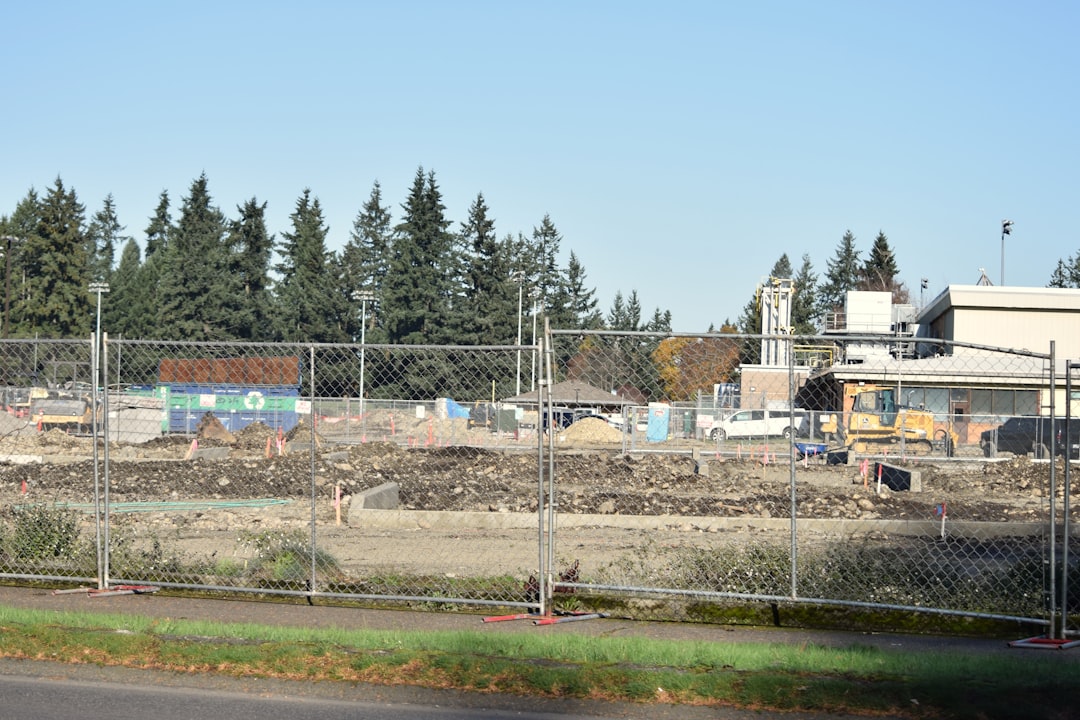
U.S. states are resisting new AI data centers, citing infrastructure concerns, while the White House pushes for AI dominance. A growing political flashpoint.
As artificial intelligence (AI) continues to dominate conversations about the future of technology and economic competitiveness, the infrastructure supporting these advancements has become a political flashpoint. While the White House has consistently emphasized the need to position the U.S. as a global leader in AI, several states are voicing concerns about the local impact of data center construction, leading to a contentious debate over federal versus state control.
The growing tensions over data centers
More than ten states are actively moving to restrict or outright pause the construction of new data centers, which are crucial to AI development. Data centers house the vast computational power required to train AI models and process high volumes of data. Yet, their substantial energy consumption and environmental impact—particularly their use of water for cooling systems—have alarmed communities across the country. This local opposition reflects broader fears about the rapid pace of AI adoption and its consequences.
In one prominent example, a state has issued a temporary halt on new data center developments through 2027. This bold move signals that questions about AI's infrastructure are not just a matter of technological necessity but also a matter of public trust and local autonomy. Public opinion on AI has influenced these decisions; a significant portion of young Americans, aged 18 to 29, view AI as a threat, according to recent polling.
Why the pushback?
The resistance stems from both practical and philosophical concerns. At a basic level, many residents worry that data centers will increase their local energy costs and strain water supplies, all without delivering clear community benefits. Comparisons have been made to the opposition against wind and solar farms, where aesthetic and environmental disruptions have sparked backlash.
"If you're going to put a data center in my town that sucks up a ton of water and raises my cost of energy, what am I getting out of it?" one observer noted, summarizing the frustration of affected citizens.
Others argue that imposing data centers without honoring zoning laws disregards the rights of local communities. This sentiment runs deep among critics of centralized federal mandates. “It is outrageous for the federal government to bypass state zoning laws,” said one commentator. They believe that states and municipalities, not Washington, D.C., should have the final say in whether these projects move forward.
The federal government’s perspective
The White House, however, sees data centers as a cornerstone of the country's AI strategy. With industries ranging from healthcare to finance increasingly dependent on AI, failing to build the necessary infrastructure could risk the U.S. falling behind global competitors, especially China. The Biden administration is determined to close this gap, framing AI as not just a technological race but also a matter of national security and economic vitality.
Some argue that if certain states or regions block data center development, it could exacerbate a divide between "blue" and "red" states. Regions that embrace data infrastructure could reap significant economic benefits, including job creation and business investment, while those that resist could fall further behind.
"This could become another issue where certain states dig in deeper to their established positions," an industry analyst explained. "Blue states might lead the charge in pushing back, while red states might welcome these opportunities. The divide could worsen."
Consumers are caught in the middle
Complicating matters is the simple fact that AI has already integrated itself into daily life, from personal assistants like Siri to recommendation engines on streaming platforms. Regardless of political disagreements, consumers demand seamless access to these services. But as states hesitate to approve local infrastructure, questions arise about how AI capabilities will develop equitably.
"If you don’t want the data center, how do you get the products?" one commentator mused. "Do we end up in a world where AI services are geographically limited?"
This concern aligns with the broader debate over federalism in technology policy. While the American system traditionally favors decentralized decision-making, some worry that this could hinder the national AI race. Advocates for more assertive federal leadership argue that a united approach is necessary, particularly when competing against state-controlled technological strategies in countries like China.
The trust deficit
Beyond zoning and infrastructure concerns, the AI industry's reputation among the public is another obstacle. Some argue that major technology firms haven't earned the trust of citizens, particularly following controversies over data privacy and social media’s role in democratic backsliding. Critics believe this distrust extends to debates over data centers and other AI-related projects.
"Big Tech is coming off years of burning bridges with the American people," noted one critic. "We haven’t had a national conversation about AI, and now it’s moving too quickly for many to feel comfortable."
For opponents of rapid data center expansion, this trust gap complicates efforts to convince skeptics that the technology will deliver equitable benefits.
Navigating the future
AI’s potential to transform society is undeniable, but its adoption comes with costs—both real and perceived. Striking a balance between technological advancement and public accountability will be critical. States and federal agencies need a path forward that respects local autonomy while ensuring national competitiveness in the AI race.
One possible solution is greater transparency about the costs and benefits of data centers, coupled with incentives for local communities to embrace them. Making the public stakeholders in these projects—by sharing financial gains or guaranteeing reduced energy costs, for example—could help rebuild trust and assuage fears.
The current tensions also underline the need for a coherent, bipartisan national AI policy. Without it, fundamental questions—such as where data centers should be located or how they should be regulated—will remain mired in conflict. For the U.S. to lead in AI, both federal and state governments will have to find common ground. For now, the political flashpoint over data centers is a debate unlikely to cool anytime soon.
Staff Writer
Maya writes about AI research, natural language processing, and the business of machine learning.
Comments
Loading comments…


