Taylor Swift moves to secure her image and voice in the AI era
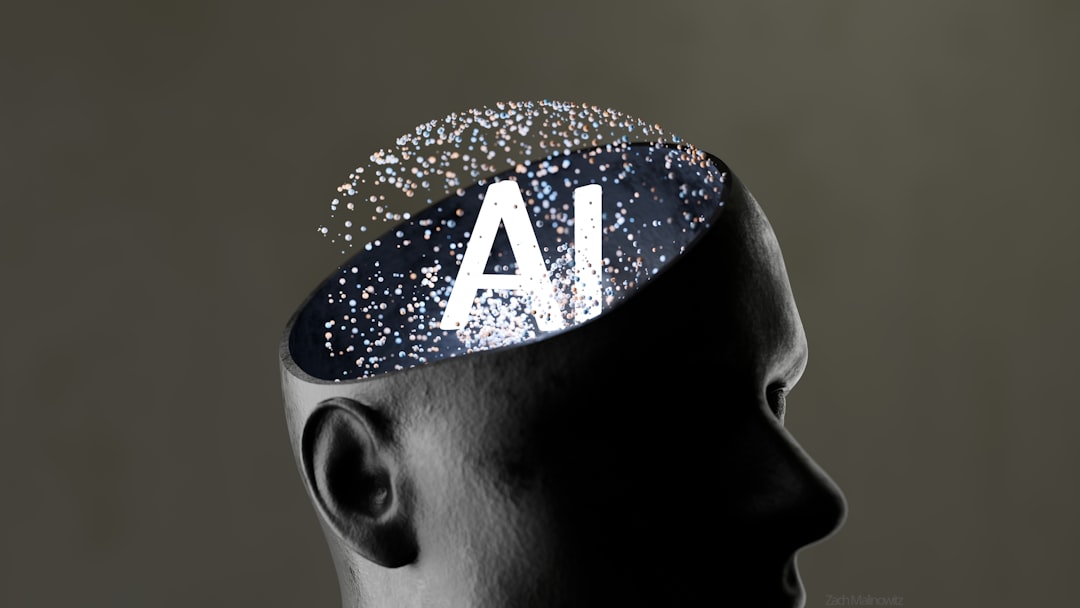
Taylor Swift files trademark applications to protect her likeness and voice, addressing concerns about AI misuse in entertainment.
Taylor Swift is taking steps to safeguard her iconic brand in an increasingly AI-driven age. Her company filed three trademark applications with the US Patent and Trademark Office on Friday, signaling a proactive effort to protect her image, voice, and artistry from unauthorized use. The filings are a direct response to the growing concerns of how artificial intelligence (AI) could potentially exploit celebrity likenesses.
According to the trademark filings, two of the applications focus on protecting signature voice phrases: “Hey, it's Taylor Swift” and “Hey It's Taylor.” This move suggests that Swift is preparing to shield not only her recorded voice but even distinct catchphrases from possible replication by AI systems. The third trademark application pertains to a visual representation of Swift herself: a photo of the singer wearing a multi-colored bodysuit with silver boots, holding a pink guitar. This application highlights the importance of protecting her public persona as an identifiable image in cultural and commercial contexts.
Why this matters in the age of AI
The expanding capabilities of AI in voice and image cloning have introduced an entirely new set of challenges for artists and public figures. AI models, such as deepfake-generating tools or synthetic voice engines, can convincingly replicate voices and visuals for various purposes—some legitimate, others illicit. For celebrities like Swift, whose brand and revenue streams heavily rely on their distinct identity, the implications are significant.
Voice cloning technology, for instance, has advanced to the point where sophisticated AI systems can produce realistic imitations of a person's speaking or singing voice with minimal input. These technologies raise concerns over unauthorized uses, including fake endorsements, manipulated media, or even entirely synthetic performances falsely attributed to the original artist. Similarly, digital manipulations of an artist's image in advertising, merchandise, or entertainment products could deceive audiences and undermine their brand integrity.
Swift’s decision to trademark these elements of her identity aligns with a broader trend among high-profile figures attempting to secure rights over their likenesses in the digital era. By creating legal barriers to unauthorized usage, she is ensuring tighter control over how her identity is presented, monetized, and protected from abuse.
The growing legal battle for celebrity rights
Taylor Swift is far from the only figure taking this proactive stance. Other celebrities and entertainers have begun adopting similar measures as part of their legal toolkit to navigate the blurry ethical and legal lines established by emergent technologies. For example, the estates of deceased artists often face controversies over posthumous AI recreations, as seen in cases involving synthetic voice recreations in music or CGI likenesses in film productions. Swift, however, is advancing these protective measures while still alive and at the peak of her career, arguably setting a precedent for greater personal control in the domain.
Her choice to trademark both voice-based phrases and specific imagery implies a two-fold strategy. On the one hand, protecting soundbites like “Hey, it’s Taylor Swift” may block the unauthorized use of her voice in cloned content, such as fake interviews or announcements. On the other hand, the visual trademark emphasizes that her physical likeness, as stylized in recognizable costumes and poses, is equally part of her intellectual property.
What this could mean for fans and creatives
For fans, the trademarks ensure that Swift's brand remains authentic and free from unauthorized exploitation. In an age where fans are bombarded with lookalike content, fake promotions, and AI-generated performances, knowing that Swift is taking measures to safeguard her legacy adds a layer of reassurance.
For other artists and creators, particularly those with a rising public profile, Swift’s filings could be viewed as a roadmap for tackling emerging challenges. Navigating how intellectual property laws protect (or fail to protect) against AI-enabled replication of voice and likeness is likely to become a widespread concern in the entertainment industry.
However, there are broader implications to consider: If AI is restricted from replicating celebrity likenesses, would it constrain creative freedom in some cases? For instance, parody and transformative works have long been upheld as protected forms of creative expression. The delicate balance between protecting intellectual property and allowing room for innovation is one that courts, legislators, and industry leaders will increasingly need to address.
The industry’s cautious steps forward
The music and entertainment industries are already grappling with AI disruptions. Record labels, streaming platforms, and artists’ unions are attempting to draft policies to manage scenarios where AI intersects with intellectual property. Swift’s trademark applications spotlight how the legal system might adapt; trademarks provide one avenue for rights enforcement, but ongoing technological innovation will likely turn this into a fast-moving arena where agreements must continuously evolve.
For Swift, who has long been celebrated not only for her musical achievements but also for her business acumen, this trilogy of trademarks underscores her proactive stance as a leader in addressing emerging challenges to artist rights. By filing these protections now, she’s not only setting a boundary against immediate AI misuse but also establishing a foundation for responding to new technological incursions in the future.
Looking ahead
Artists like Taylor Swift are often at the forefront of cultural and technological shifts, and her trademark filings signal an understanding of the intersection between creativity, celebrity, and tech. As AI capabilities become even more sophisticated, more public figures will likely follow her example to establish firm legal footing in their battle to retain control over their voices and faces.
Swift’s legal filings highlight a critical ongoing discussion: How can artists maintain authenticity and ownership of their identities in a digital era where the line between real and synthetic grows thinner every day? It’s not a question with simple answers, but the conversation is one that the entertainment and tech industries can no longer afford to ignore.
Staff Writer
Chris covers artificial intelligence, machine learning, and software development trends.
Comments
Loading comments…


