Tech neck, robot races, and Zuckerberg's AI clone: the latest in technology trends
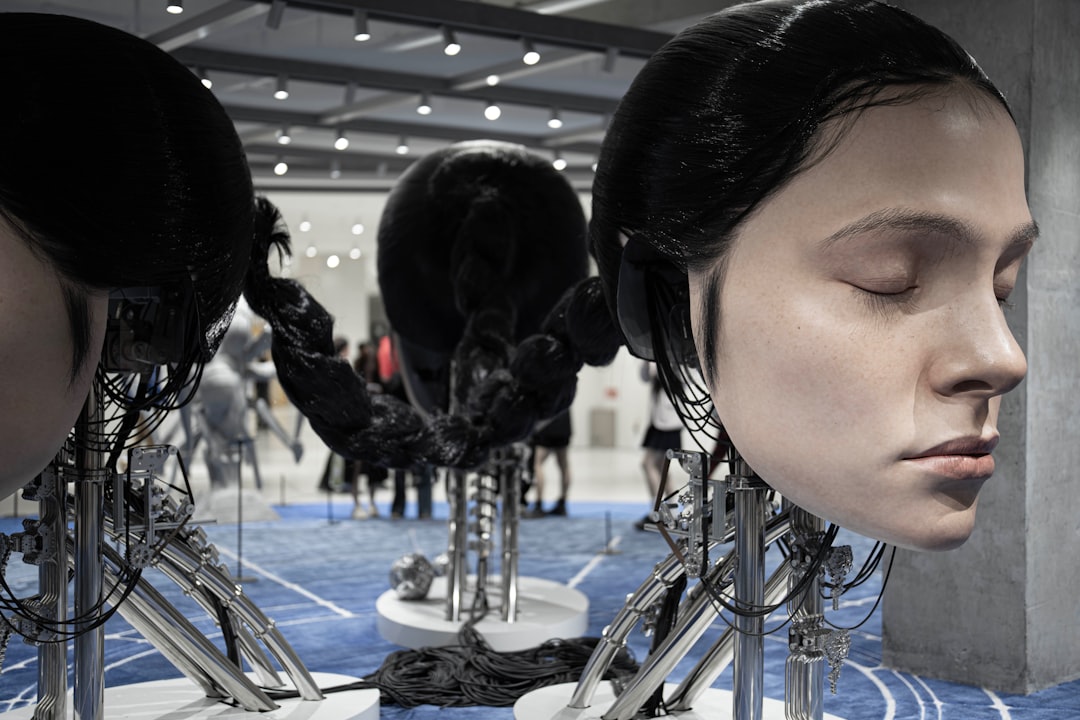
From 'tech neck' remedies to robots racing humans and an AI-powered Zuckerberg clone, here's what’s buzzing in tech this week.
Technology isn’t just changing our gadgets; it’s bending our bodies, competing in marathons, and even taking us one step closer to AI versions of ourselves. This week’s tech stories are as wild as they are telling about where we are headed. Here's a closer look at three developments making waves.
Tech neck: the digital hump of today
We’ve all heard about the harmful side effects of excessive screen time, but a somewhat newer term—"tech neck"—has highlighted a specific issue plaguing the smartphone generation. Tech neck is the strain and deformation caused by hours spent craning one’s head downward while scrolling, leading to neck lines, pain, stiffness, and even headaches. According to reports, about 60% of people spend at least five hours daily looking at their screens, with many suffering the consequences physically.
So, what’s the solution? Surprisingly, it’s a lesson from babies: tummy time. Originally used as an exercise for infants to develop neck and back strength, tummy time is now being hyped as a home-friendly method for adults to counterbalance the effects of slouching over screens. While this isn’t something you’d roll out at the office without some raised eyebrows, practicing tummy time at home can stretch and strengthen the neck and back muscles. While this may seem outlandish, the simplicity of the idea is gaining traction.
This isn’t just vanity—tech neck could potentially lead to more permanent posture issues. Experts have been urging screen users to adopt preventative measures like neck stretches, ergonomic setups, and regular breaks. It isn’t only about comfort; it’s about avoiding turning the human posture into the shape of a question mark.
Robots vs. humans: Half marathon showdown
In a compelling blend of technology and athletics, China is gearing up for a half marathon featuring an unexpected competitor: humanoid robots. The race will include over 100 robotic participants, ranging from fully autonomous models to ones operated via remote control. Last year, humans claimed victory, but with rapid advancements, engineers are pushing boundaries to see whether robots can close the performance gap—or potentially surpass humans altogether.
Why does this matter? For one, it’s a massive leap in robotics design and endurance. Engineers aim to validate how these mechanical runners—designed for agility and adaptability—would measure up in real-world situations. The practical implications stretch beyond athletics, as humanoid robots designed for such mobility may find applications in disaster response, industrial tasks, or military operations.
Of course, the idea of robots physically chasing people stirs up some dystopian vibes. But the use case is broader and less ominous than it may seem. Robotics researchers view these events as a platform to showcase functionality and gather critical data. While the robots may not pose a serious running threat just yet, the race is another sign of how evolving machine capabilities could have ripple effects in various industries.
Mark Zuckerberg’s AI clone: lifelike or lifeless?
Meta CEO Mark Zuckerberg is reportedly working on something that sounds straight out of a sci-fi plot: an AI-powered clone of himself. According to reports, this digital representation of Zuckerberg will mimic his voice, tone, mannerisms, and even public statements. If the experiment runs smoothly, Meta plans to extend this functionality to content creators, allowing them to craft their own AI avatars for various uses.
The technology itself is fascinating. Training an AI model to comprehend not just speech but also personality nuances is a significant step forward. However, it opens up a Pandora's box of ethical considerations. While creators might use it for convenience or engaging their audience, what happens if such technology is misused to spread misinformation or impersonate others? Regulation and oversight will need to keep pace with these advancements.
Meta’s efforts to integrate AI into its ecosystem seem to align with its broader ambitions, but the company has recently pulled the plug on significant portions of its metaverse initiative. While the Zuckerberg clone may represent technological innovation, it could reflect a pivot away from the virtual world vision the company heavily promoted not long ago. It’s a reminder that tech companies must continuously adapt to shifting markets when big bets—like the metaverse—don’t pay off as expected.
The broader picture
Together, these stories point to technology’s dual-edged power. On the one hand, our devices are reshaping our bodies and daily habits in ways that call for rebalancing. On the other, the race between humans and machines continues to push the boundaries of what both are capable of achieving. And finally, AI innovations like Zuckerberg’s clone provide glimpses into a future where the digital and real blur even further.
It’s curious that while we are striving to preserve our human physicality—by addressing issues like tech neck—we’re simultaneously engineering robots and AI that could more completely replace the need for it. Whether this is evolution or irony depends on your perspective. For now, the question isn’t whether technology is shaping us, but how far we’re willing to let it go. From baby-inspired neck saviors to humanoid tech trailblazers and identity-borrowing AI, this week’s stories reflect a world in transition, teetering between progress and unforeseen complications.
Staff Writer
Chris covers artificial intelligence, machine learning, and software development trends.
Comments
Loading comments…


