The AI CEO vs Engineer Dilemma: Redefining Leadership in the Age of Algorithms
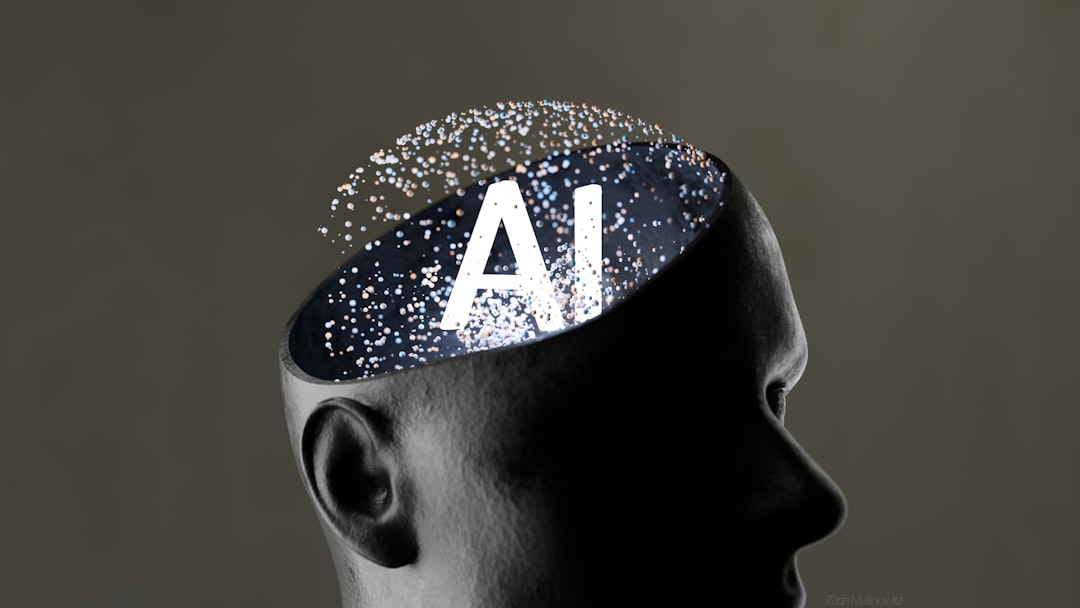
As AI reshapes industries, tensions emerge between CEOs seeking strategic power and engineers building the systems that enable it.
In an age where artificial intelligence is rapidly reshaping industries, the contrasting roles of CEOs and engineers are coming under increasing scrutiny. The divide between strategic, big-picture ambitions and the hands-on complexities of building effective AI systems highlights key tensions in the contemporary AI ecosystem. By analyzing recent discussions across the sector, it becomes clear that these tensions are not merely a matter of miscommunication—they are symptomatic of deeper structural shifts in how organizations operate in an algorithm-driven economy.
The Growing Tension Between Strategic Visions and Technical Realities
C-level executives in AI-centric companies often focus on orchestration layers, high-level frameworks believed to integrate diverse data streams and capabilities into coherent, operational ecosystems. Engineers and scientists, on the other hand, are immersed in the granular details of building algorithms, sourcing high-quality data, and ensuring models function securely and accurately. While CEOs might sell visions of "operationalizing intelligence at scale," engineers grapple with challenges like incomplete tools—"we don’t even have an API"—and unclear product definitions.
One anecdote captures the stark difference between these roles: an AI-driven project to create an agent resulted in the agent’s first action being to recommend firing half the management team. While partly humorous, this reveals the tensions between high-level strategic structuring and what engineers see as unnecessary operational bloat.
Data Provenance: The Scarcest Resource in the AI Armory
Increasingly, high-quality data—accurately sourced, labeled, and managed—has been identified as the critical resource in AI development. Engineers argue that most companies underestimate just how fragmented their data systems are, with vital data scattered across platforms like SharePoint. Without robust data provenance, which tracks the origins, movement, and processing of data, successful AI deployment is almost impossible. "The real competitive advantage in AI," one engineer notes, "will come from having high-quality data, not just better algorithms."
Yet, CEOs and corporate leadership often overlook this reality in favor of developing flashy features like better autocomplete tools and AI copilots for various applications. These advancements may grab headlines and attract investment, but they often fall short of making the systemic upgrades essential to long-term innovation. This disconnect affects product readiness as well; engineers lament that "readiness," from their perspective, constantly evolves and cannot be reduced to marketable timelines.
Strategic Restructuring vs. Engineering Priorities
Strategic restructuring, promoted as a necessity for staying competitive, has become another contentious issue. CEOs argue that such maneuvers optimize resources and focus teams on core priorities, but many employees see it as little more than cost-cutting measures aimed at boosting stock prices. Layoffs, particularly within management or technical teams, can destabilize operations and exacerbate the challenge of maintaining high-performing AI systems.
Even within technical discussions about capabilities like better autocomplete or semantic discoverability, engineers find themselves constrained by unclear priorities and a lack of cohesive strategic focus. Some developers reported working on fragmented ideas—such as turning PDFs into portable artifacts—without clear insight into how these projects align with overall product goals.
Redefining Leadership in Algorithm-Driven Companies
This growing tension points to a need to redefine the role of leadership in AI-driven organizations. Traditional leadership often prioritizes top-down directives, while the iterative, data-heavy nature of modern AI development calls for collaboration. Engineers work closely with algorithms, often becoming deeply attuned to their limitations. Their understanding of "what the product is"—or could be—is essential but frequently underutilized by executives focused on big-picture strategies or investor relations.
This disconnect has led to significant skepticism within engineering teams. A recurring critique is that executives perceive AI as a finished product or a magic bullet—rather than as an evolving tool requiring continuous adjustment to real-world contexts. Engineers argue for adaptive leadership: the acknowledgment that readiness, innovation, and product alignment are ongoing processes, not destinations. As one engineer puts it, "Readiness itself is being redefined."
The Way Forward: Bridging the Gap
For AI companies to thrive, they must bridge the gap between C-level visions and engineering realities:
-
Elevate Data Provenance as a Strategic Priority: High-quality, well-sourced data can no longer be an afterthought. Leadership must dedicate both funding and attention to ensuring data provenance frameworks are robust.
-
Define and Communicate Product Goals More Clearly: Engineers need strategic roadmaps that go beyond marketing-friendly concepts like "better autocomplete" or "AI copilots." This reduces wasted effort on projects with unclear goals.
-
Adopt Collaborative Leadership Styles: CEOs who emphasize dialog with engineering teams—and who treat product development as a dynamic process—will build stronger, more cohesive organizations.
-
Reassess Restructuring Priorities: While resource optimization may sometimes require layoffs, tech organizations must avoid jeopardizing critical elements of their development infrastructure.
AI’s Scalable Future: A Collaborative Leadership Model?
Ultimately, the success of AI companies will depend not just on algorithmic innovation but on how well they integrate leadership with technical expertise. Engineers require clear, ongoing communication to solve complex problems—just as leadership teams need grounded insights from those who understand the systems they are creating. By closing this gap, AI-driven organizations can avoid internal conflicts and remain at the forefront of innovation.
The future of AI highlights an unprecedented opportunity for symbiosis, provided companies can align their ambitions with the expertise required to realize them. If they fail, the next "strategic restructuring" might not come from a boardroom decision, but from an AI model engineered under increasingly skeptical oversight.
Staff Writer
Maya writes about AI research, natural language processing, and the business of machine learning.
Comments
Loading comments…


