The rise of AI in warfare: speed, accountability, and ethical concerns
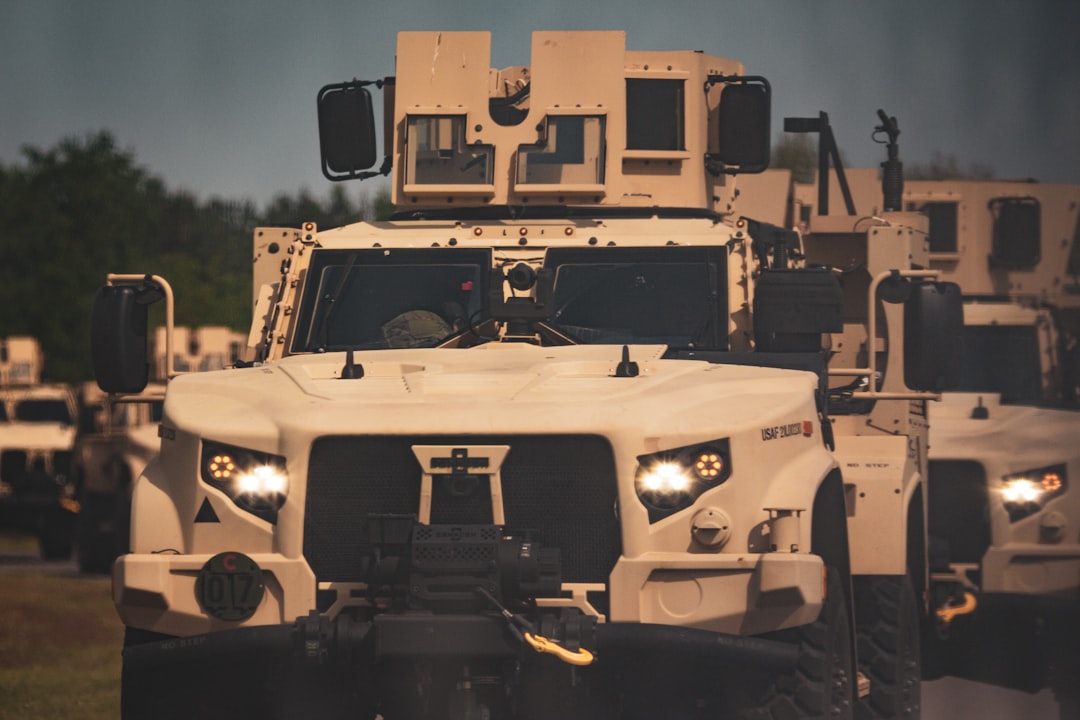
AI technology is reshaping warfare, but its use in lethal operations raises concerns about accountability, ethics, and the future of human decision-making.
Artificial intelligence (AI) is reshaping almost every aspect of modern life, and warfare is no exception. As AI technology advances, governments, including that of the United States, have increasingly integrated these tools into military strategies. This development, while accelerating decision-making and scale in combat, raises profound ethical and accountability questions that humanity must now confront.
A New Era of AI-Driven Warfare
The current debate over AI warfare has been sparked by alarming developments in the U.S. conflict alongside Israel against Iran, where AI systems are being utilized in unprecedented ways. According to reports, AI tools have been deployed to execute bombing campaigns that move “quicker than the speed of thought.” Critics argue that this rapid militarization of AI risks sidelining human decision-making entirely.
These concerns were amplified after a devastating U.S. airstrike hit a girls’ school in Iran, resulting in over 175 fatalities, most of whom were children. This tragedy has triggered both public outcry and political inquiries within the U.S. More than 120 Democratic lawmakers have written to the Pentagon, pressing for clarity on whether AI played a role in mistakenly identifying the school as a legitimate target. While investigations are still underway, a Pentagon official recently confirmed that the U.S. military is using an AI system known as CLAWD, developed by Anthropik, in this ongoing conflict.
The Role of AI in Modern Combat
The foundation for AI warfare in the U.S. dates back to 2017 with the launch of Project Maven. This initiative was intended to harness AI to analyze drone surveillance footage, helping the military process vast amounts of data more effectively. However, over time, the technology evolved beyond simple data analysis. Project Maven’s tools, now referred to as the Maven Smart System and developed by Palantir, use AI to identify, locate, and target enemy positions with precision. These systems integrate AI contributions from major technology companies such as Microsoft and Amazon Web Services (AWS).
Experts caution that Maven Smart System is not merely an analytic tool but essentially functions as a weapon system. It can fix coordinates and execute weapons strikes, an integration of AI and munitions that was originally speculated but is now actively in use. Since this system's deployment in the current conflict, U.S. Central Command has announced hitting over 11,000 targets.
The Ethical Divide in the Tech Industry
The adoption of AI in warfare has created deep ethical divisions within the tech industry. In 2018, Google employees protested when they discovered that their company was involved in Project Maven. The workers rallied against the use of their technology for military purposes, citing both personal and widespread ethical concerns. This backlash led Google to refrain from renewing its contract with the Pentagon and implement policies disallowing such military applications of its technology.
However, in subsequent years, this corporate resistance softened, and tech companies have increasingly collaborated with the Department of Defense. The shift underscores a pressing reality: the U.S. military feels compelled to adopt cutting-edge technologies to maintain strategic superiority, a claim often invoked under the banner of national security. On the other hand, critics argue that making warfare cheaper, faster, and more automated dangerously lowers the threshold for engaging in conflicts.
Accountability in an AI-Driven Battlefield
Perhaps the most concerning aspect of AI-driven warfare is the question of accountability. Historically, acts of war have relied on human decision-making, which allowed for accountability in cases of misconduct or errors. However, as AI systems take on roles in identifying targets and executing strikes, the line between human command and machine autonomy becomes increasingly blurred.
Katrina Manson, an award-winning reporter and author of Project Maven: A Marine Colonel, His Team, and the Dawn of AI Warfare, captures this tension in her research. Speaking to numerous military figures involved in Project Maven, she found widespread internal dialogue over the ethical dangers of the technology. Retired Colonel Drew Cukor, the driving force behind Project Maven, reflected on the moral dilemmas posed by AI systems. While he believed that these tools could ultimately save lives by improving precision, he also questioned whether society was prepared for the responsibilities that come with wielding such technology.
One particularly haunting question was raised by a West Point cadet during a discussion with Manson: “We can’t send AI to the Hague. What is going to happen to us?” This speaks directly to the fear that human operators and commanders may face disproportionate legal and moral liability in cases where machines heavily influence decisions.
The Human Cost and Psychological Burden
The ramifications of AI-powered warfare do not end on the battlefield. As revealed in Manson’s interviews with the family of Colonel Cukor, those closest to the architects of this technology are not immune to its psychological weight. While Cukor maintains that his work helped improve the ethics of warfare, his wife expressed concerns about the spiritual and emotional toll such innovations might exact on their creators—and humanity as a whole.
What Lies Ahead
As AI continues to rewrite the rules of engagement, the world faces an urgent need to establish comprehensive frameworks governing this technology’s use in military operations. Without stricter regulations, the risks of AI in warfare include more than just targeting errors and civilian casualties; they extend to a loss of human empathy and increased likelihood of conflict escalation.
At the same time, broader questions remain about the role of private tech companies in national defense. Should their ethical objections override government demands for advanced military tools? And as these corporations gain influence akin to nation-states, how should their power be checked?
The answers are far from clear, but one truth is unavoidable: in the era of AI warfare, the stakes are higher than ever. The decisions we make today about when, where, and how to deploy artificial intelligence will define not just the future of global conflict, but the moral fabric of modern society.
Staff Writer
Maya writes about AI research, natural language processing, and the business of machine learning.
Comments
Loading comments…


