Why Exorcists Are Turning Their Attention to Artificial Intelligence
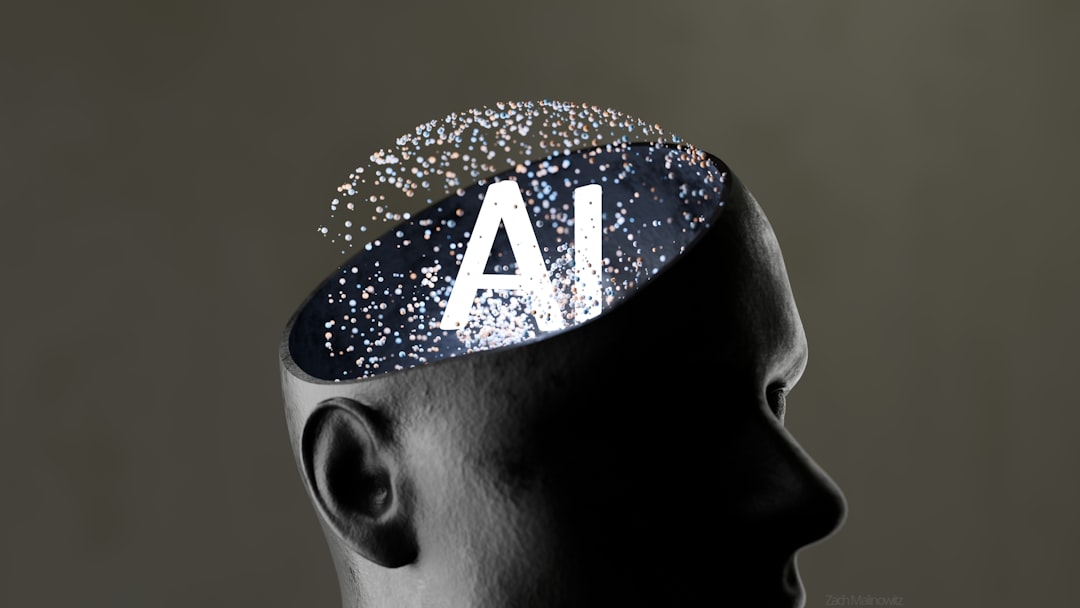
Religious exorcists express concerns over AI's role in possible demonic worship, raising complex ethical and social questions.
Religious exorcists, traditionally associated with battling spiritual entities, are now expressing concerns about artificial intelligence (AI). According to accounts, some exorcists believe AI tools could be aiding individuals in practicing acts they associate with demonic worship. This emerging focus raises a peculiar and controversial intersection of technology, faith, and social morality.
Why Exorcists Are Concerned About AI
Father Luis Manuel Almanza, a figure within organized religion, is reportedly organizing an exorcism workshop addressing the perceived dangers of AI. Critics and observers note the irony, as the same global religious institution has faced extensive scrutiny for its handling of abuse cases. Statistics reveal that over the past 20 years, $5 billion has been paid to 16,000 victims of abuse cases linked to this organization. This historical baggage adds a complex layer to contemporary concerns over technology as a medium for spiritual corruption.
Exorcists claim that AI’s ability to simulate human-like communication may lead some users into engaging with the platforms in unhealthy ways, potentially attributing human or even supernatural characteristics to these systems. The fear is not rooted in AI’s technical capabilities but in how individuals might misuse or interpret them.
The Ethical Dilemma: Technology vs. Religious Belief
The ethical debate at the center of these concerns is multifaceted. On one side, proponents argue that technology, including AI, is a tool and reflects the intentions of its users. However, exorcists and some devout communities argue that these tools, if misused, could open doors to spiritual harm or reinforce beliefs tied to demonic forces.
AI models like ChatGPT, Stable Diffusion, and other generative technologies have already sparked debates about their roles in spreading misinformation, potential biases, and even replacing human creativity. Adding religious concerns now complicates the narrative. So far, there is no documented evidence linking AI to practices categorized as "demonic worship," though certain religious groups remain adamant that the potential exists.
Social Reaction and Public Criticism
The announcement of exorcism workshops targeting AI drew sharp criticism across social media. Observers have questioned the timing and relevance of these actions in light of the scandals tied to the same organizations involved. Some critics mocked the focus on "exercising evil AI spirits" when arguably more pressing issues, such as addressing ethical failures within the institution, need attention.
Yet, this story highlights broader anxieties around the unchecked capabilities and influence of AI in society. It also underscores how new technologies often revive age-old fears—fears that find outlets in religion, pop culture, or conspiracy theories.
Cases of Technology and Spirituality Colliding
While this specific incident may seem unique, history reveals other moments when advancements in technology intersected with spiritual beliefs:
- The printing press: Early fears suggested it might spread heretical ideas.
- Television: Viewed as a corrupting force in its early days.
- The Internet: Still debated today for its impact on moral and ethical values.
Artificial intelligence is merely the latest chapter in this recurring pattern. It draws skepticism not only from religious institutions but also from ethicists and societal watchdogs seeking to address its broader implications.
Practical Implications of the AI-Demon Debate
For most people actively engaging with AI every day—whether through voice assistants, online customer service bots, or creative tools—this debate may feel far removed from their experience. However:
- For the curious public: This story prompts reflection on how people assign meaning or agency to non-human systems.
- For policymakers: It illustrates why guidelines on AI ethics should consider cultural and religious dimensions alongside technical ones.
- For technologists: It serves as a reminder to consider the cultural and psychological impacts of the systems they develop.
What It Means for Faith Communities
While some religious figures are wary of AI, others are exploring its potential benefits. For example, some religious institutions have adopted AI-driven tools for analyzing scriptures, answering faith-based queries, or enhancing outreach. This split view within faith communities challenges the depiction of AI as either wholly harmful or wholly beneficial.
It’s clear, however, that increased public discussion is needed, especially on how automation and generative technologies shape deeply ingrained human beliefs, including spirituality.
Conclusion
The idea of exorcists targeting artificial intelligence sparks thoughtful debate, blending technological innovation with deep-seated cultural concerns over morality, ethics, and faith. While these concerns may raise eyebrows for their dramatic framing, they reflect broader societal anxieties about how we navigate the uncharted intersections of the digital and spiritual worlds. AI’s role is ultimately shaped not by its code but by how humans choose to interact with it—for better or worse.
Comments
Loading comments…


