Why you should ignore AI FOMO
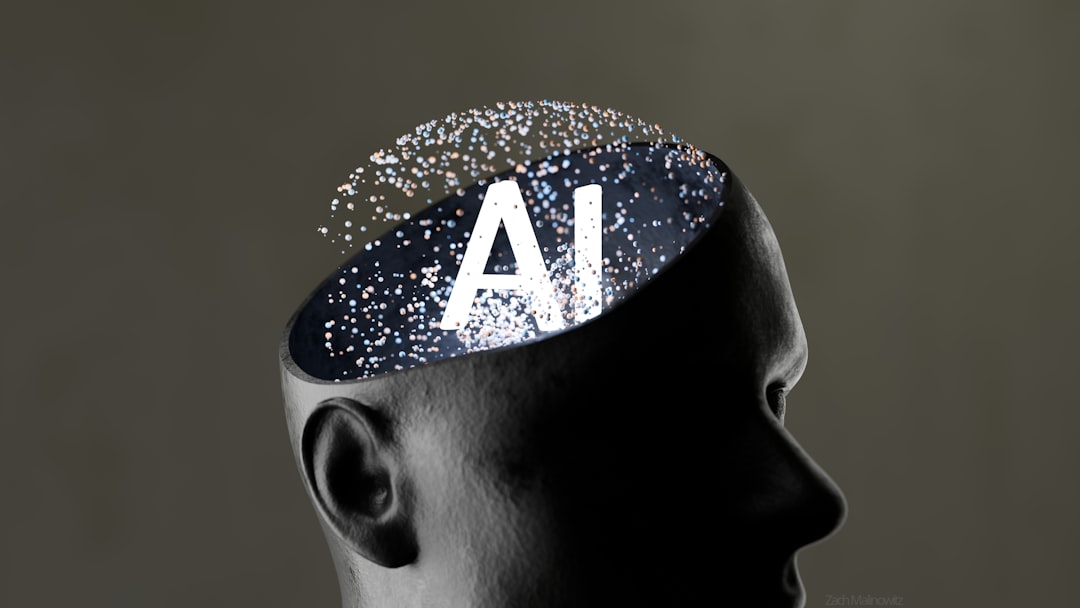
The rapid innovation in AI creates a sense of urgency for many to stay ahead, but is the pressure to adopt every tool worth it? Here's some perspective.
The concept of FOMO, the fear of missing out, is hardly new, but the rapid rise of artificial intelligence (AI) has ushered in a unique and pervasive version of it: AI FOMO. In a world where new AI models and tools seem to be launched every few months—perhaps even weeks at times—the pressure to stay up-to-date with the technology has left many people feeling overwhelmed. The sense of urgency surrounding AI is partly fueled by its potential to transform industries, from creating greater efficiencies to potentially reshaping entire careers. But is it really necessary for everyone to jump on the AI bandwagon immediately?
The speed of AI development and its impact
The AI landscape is evolving at a breakneck pace. Unlike other tech innovations such as smartphones, which often see iterative upgrades on an annual or biannual cycle, AI tools like OpenAI’s ChatGPT are advancing significantly in just a matter of months. This rapid release cycle makes it difficult for even tech insiders to keep pace, much less the average user. New features, faster processing, and broader use cases are being touted as paradigm shifts, but for many people, the sheer volume of updates creates a gnawing sense of inadequacy.
What makes AI FOMO particularly potent is the rhetoric surrounding these tools. Proponents and developers alike have championed AI’s potential as a workforce changer, suggesting that it can automate mundane tasks, enhance productivity, or even take over jobs entirely. Coupled with severe economic speculation about its societal impact, it’s no wonder many people feel the need to understand this technology—or risk being left behind. Yet, adopting AI tools on a personal level isn’t as straightforward as it sounds.
The promise versus the reality of AI
AI has, in many ways, been marketed as life-changing technology. From tools that claim to handle your endless emails to systems that help optimize your schedule, the promise is alluring: less busywork and more time for meaningful pursuits. Take, for example, the often-cited case of the developer who reportedly built an AI-based system to manage his entire life, including tracking fitness routines, taxes, and even family scheduling. For some, this could feel like a profound use of technology to enhance their personal lives. For others—especially those who, like parents, live in more chaotic or flexible routines—the idea feels exhausting.
Using AI at this granular level often requires a shift in how we think about our lives. Systems like these demand an organized, systematic approach that makes sense to a machine. That’s a big barrier for most, particularly for those whose lives involve spontaneity or unpredictability. Asking a chatbot to book appointments or schedule workouts may sound useful in theory, but it forces users to rethink their habits and translate them into rigid, machine-friendly formats. The irony, then, is that a tool designed to save time often requires an upfront investment of time and effort that not everyone is willing—or able—to make.
Additionally, there’s the question of whether these technological tools truly save us time, or if they simply shift how and where we spend it. Smartphones, for instance, promised to make life easier, yet they’ve left many of us constantly tethered to screens, juggling work emails, personal errands, and social interactions in a single device. AI could very well follow the same trend, reducing friction in certain tasks while creating new ones—like learning the latest updates or integrating the tech into our routines.
The hype versus real-life value
Part of the disconnect between the excitement around AI and its practical value comes from the balance (or lack thereof) between corporate imperatives and personal benefits. Companies developing AI tools, unsurprisingly, have much to gain from widespread adoption, including data collection, paid subscriptions, and dominance in an increasingly competitive landscape. For individual users, however, the benefits are less clear-cut. While AI can undoubtedly assist with certain tasks, it doesn’t yet appear to be the silver bullet that its marketing suggests.
Take personal organization, for example. AI evangelists might argue that developing a life-management system using automation is worthwhile, but many skeptics feel otherwise. Life, for most people, is messy, nonlinear, and emotional—hardly the kind of environment where an algorithm thrives. More and more users report feeling like AI adoption is less about liberation and more about turning humans into coders tasked with endlessly managing yet another layer of tech in their lives.
Navigating AI FOMO
So how do you balance curiosity about AI with the urge to resist its overwhelming pace? The key lies in setting boundaries and staying realistic about what the technology can—and cannot—do. First, it’s important to understand that not everyone needs to keep up with the bleeding edge of AI development. Even within tech circles, the ever-changing landscape can feel like a moving target. While many corporations may encourage employees to explore AI tools, there’s very little reason for the average consumer to feel pressured into adopting every new release.
Secondly, adopting a selective approach to AI tools can be refreshing. Maybe you use it only for specific needs, like researching day trips or simplifying repetitive tasks. For example, as the article source mentions, AI can serve as a “Google on steroids,” providing a quick bulk of recommendations for family activities or outings. In cases like these, it’s an undeniably useful resource—but that doesn’t mean you have to let it manage every other aspect of your life.
Finally, remember that it’s okay to step back entirely. If you find yourself overwhelmed by the growing omnipresence of AI, taking a break—whether to spend time outdoors, with your family, or simply disconnected from screens—can serve as a helpful reset. As AI continues to evolve, there will always be opportunities to reengage in the future, should the need arise.
Conclusion
AI is set to impact the world in profound ways, but that doesn’t mean everyone has to lead the charge. The pressure to adopt every new tool or model might stem from fear of missing out, but not engaging won’t spell doom for most people’s personal or professional lives. Instead of succumbing to AI FOMO, consider adopting a measured, intentional attitude toward the tools you choose to use. As with any technology, the ultimate goal should be to enhance your life—not to dictate it.
Staff Writer
Maya writes about AI research, natural language processing, and the business of machine learning.
Comments
Loading comments…


