5 Key Automotive Trends Shaping the Industry by 2026
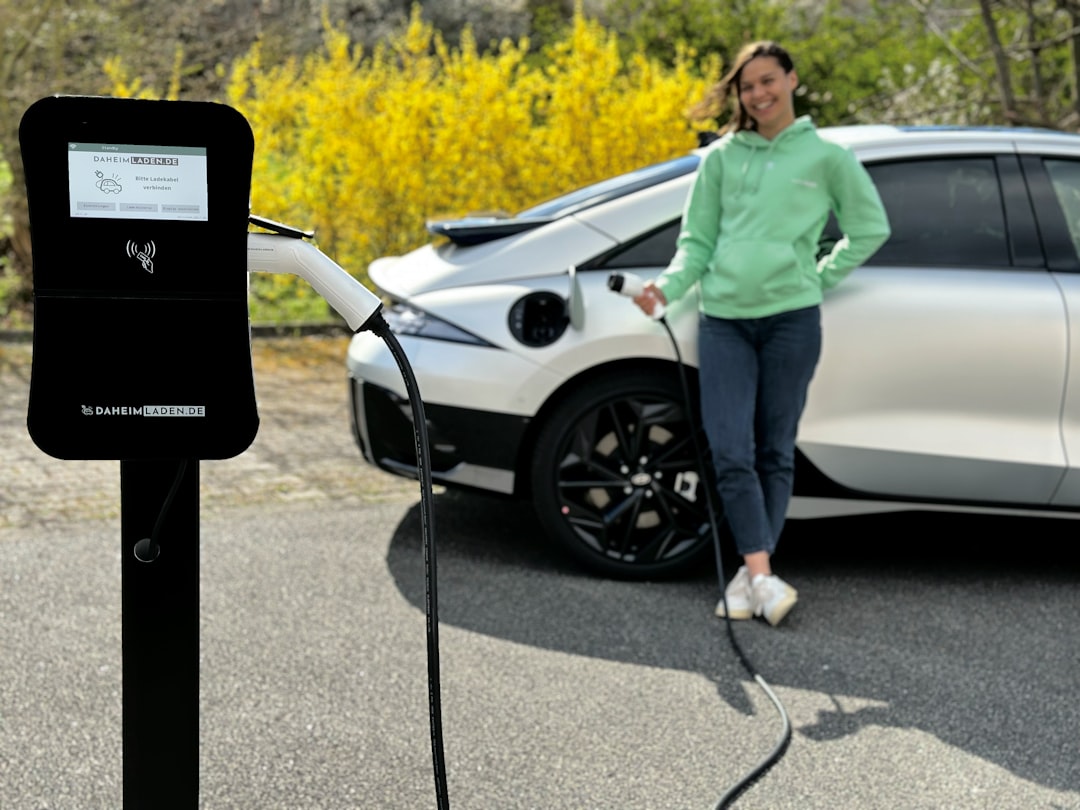
From EV adoption to autonomous features, these five trends will reshape cars by 2026. Here's what to expect from the future of the automotive industry.
The automotive industry is entering an era of unprecedented change. By 2026, advancements in technology, sustainability, and design will redefine how vehicles are built, driven, and integrated into daily life. These five trends stand out as cornerstones shaping the future of the automotive landscape.
Electric vehicles (EVs) go mainstream
Electric vehicles (EVs) are finally stepping out of the niche and into the mainstream. Governments worldwide are tightening emissions regulations, causing automakers to prioritize EV production. By 2026, falling battery costs and expanded charging infrastructure will make EVs more affordable and practical for a broader audience.
Why now?
- Battery prices dropping: Lithium-ion battery packs are projected to cost under $100 per kilowatt-hour by mid-decade, according to BloombergNEF. This brings EVs cost parity with internal combustion vehicles, even without subsidies.
- Expanding infrastructure: Governments and private companies are investing heavily in charging networks, addressing range anxiety.
- Wide vehicle selection: From the Hyundai Ioniq 3 to the Kia EV3, as well as luxury EVs from brands like Ferrari and Cadillac, 2026 will see options across all budgets and preferences.
Notable insight: Carl Brower, automotive analyst, emphasizes that 2026 is the tipping point not just in price but choice. Consumers will find EVs suitable for any lifestyle, turning them into a standard option, not just a future-facing niche.
Software-defined vehicles (SDVs)
Cars built in 2026 won't be static machines; they'll evolve through software. The concept of software-defined vehicles (SDVs) transforms how cars operate over time, thanks to over-the-air (OTA) updates. Tesla set this trend in motion, but by 2026, most major manufacturers — including Mercedes-Benz and Ford — will adopt this approach.
What makes an SDV different?
- OTA updates: After purchase, software upgrades can improve performance, fix bugs, and add features like safety upgrades or entertainment options.
- Subscription-based revenue models: Drivers may pay for premium features like advanced driver assistance, heated seats, or enhanced infotainment. While divisive, this model changes how automakers profit in a market with thinner margins on hardware.
- Improved functionality over time: Imagine a 2026 car that gains efficiency boosts or new capabilities in 2027 and beyond, just like a smartphone software update.
Notable insight: John Ellis, author of The Zero Car, notes that these vehicles are more platforms than machines, where competition is based not on horsepower but user experience and data.
Connected technology integration
Connectivity is increasingly central to the automotive experience. By 2026, nearly all new vehicles will feature 5G-enabled systems, allowing smoother communication between cars, infrastructure, and devices.
Key developments
- Vehicle-to-everything (V2X): Cars will communicate with each other (V2V) and their environments (V2I). This will optimize traffic flow, warn of hazards, and reduce accidents.
- AI-powered assistance: Intelligent in-car systems will adapt to drivers' habits, manage routes, and connect to smart home or work devices.
- Cybersecurity emphasis: With vehicles acting as data centers, protecting against hacking will be vital. Automakers are scaling up investments in encryption and threat detection.
Notable insight: Sam Abuelsamid, an analyst at Guidehouse Insights, compares the shift to connectivity to the EV transition, underlining its role in reshaping interactions between drivers, vehicles, and the world.
Expanded autonomous driving capabilities
While fully self-driving cars are still years away, significant advancements will occur by 2026. Expect expanded level-three autonomous features, which allow vehicles to operate independently in specific conditions.
What’s on the horizon?
- Highway autonomy: Hands-free driving will become common for highway scenarios, making long traffic or commutes easier.
- Self-parking capabilities: Cars will park independently or via remote control.
- Autonomous ride-hailing pilots: Cities like Austin, Texas, will host trials for autonomous ride services from companies like Volkswagen, signaling progress toward smarter urban mobility.
Notable insight: Professor Sven Beiker of Stanford University believes 2026 will be the year consumers begin trusting autonomy for everyday tasks such as highway navigation and parking, paving the way for future adoption.
Sustainable manufacturing and materials
Sustainability efforts by automakers are no longer limited to EV production — they’re rethinking the entire supply chain. By 2026, manufacturers will face mounting pressure to minimize environmental impact.
Innovative practices
- Lightweight materials: Advanced aluminum alloys, high-strength steel, and composites will reduce vehicle weight, boosting efficiency across all vehicle types.
- Gigacasting technology: Pioneered by Tesla, gigacasting produces massive car components in a single step, cutting waste and lowering production costs.
- Eco-friendly interiors: Expect vegan leather, recycled plastics, and responsibly sourced materials to dominate car cabins.
Notable insight: Mercedes-Benz CTO Marcus Schaefer argues that sustainability defines luxury. Consumers care as much about the processes behind a car as its performance or design.
A new automotive era arrives
By 2026, the automotive industry will look vastly different from today. The mainstreaming of EVs, rise of SDVs, enhanced connectivity, advancements in autonomous features, and a commitment to sustainability will reshape every aspect of car ownership. For drivers, this means more choices and smarter, more efficient vehicles. For automakers, staying ahead in this evolving industry is no longer optional — it’s existential.
Staff Writer
Mike covers electric vehicles, autonomous driving, and the automotive industry.
Comments
Loading comments…


