Rising gas prices spark increased interest in electric vehicles in Lansing
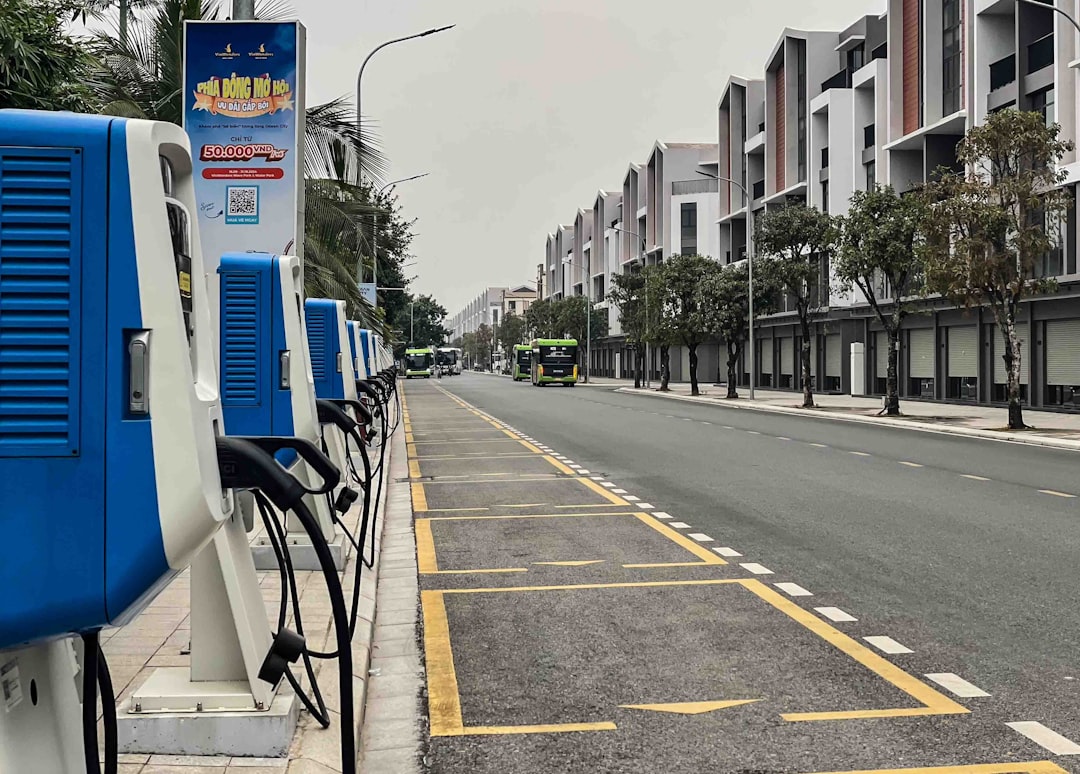
As gas prices rise, Lansing residents are re-evaluating the shift to electric vehicles, yet challenges in charging infrastructure persist.
Rising gas prices in Lansing are pushing many local residents to take a closer look at electric vehicles (EVs). While cost savings and government tax credits make EVs a more attractive option to budget-conscious buyers, the transition isn’t without its challenges. Conversations with Lansing EV owners and charging infrastructure operators reveal both growing enthusiasm and the hurdles that come with turning curiosity into action.
The Shift to Electric
For some Lansing residents, the decision to switch from gas-powered vehicles to EVs has been accelerated by persistent increases in gas prices. One EV owner shared that after his gas-powered car broke down, he decided to make the leap to electric. Incentives such as tax credits helped make the decision financially viable. “The cost is reasonable,” he noted, especially when compared to the rising expenses of fueling a traditional vehicle.
The financial benefits of EV ownership extend to operational costs as well. Charging an EV at home, for instance, can bring considerable savings over time. The same owner highlighted that fueling his EV at home or during work breaks at public charging stations like Evergenic Charge in downtown Lansing has saved him a “lot of money.” Over time, these savings add up, making EVs not just a greener choice but an economically smart one.
Charging Infrastructure Remains a Challenge
Despite these advantages, Lansing’s charging infrastructure isn’t keeping pace with the growing interest in EV adoption. Dere Braswell, who operates a charging station on Martin Luther King Jr. Boulevard, has noticed fluctuating demand at his facility. Before recent tariffs slowed station upgrades, his site typically saw 10 to 12 EVs per day. Now, it’s down to about 5 or 6 on average.
Braswell attributes some of the slower adoption rates to skepticism surrounding EVs and the long-term viability of charging infrastructure. "When gas prices go up, so does interest," he said, but the moment potential buyers hear about up-front EV costs or limited charging options, enthusiasm dims. "The first thing out of their mouths is, ‘Gas prices are high,’ and then they hesitate," Braswell observed.
Expansion of charging stations is another sticking point. Braswell has ambitious plans to add more locations, including one at a plot of land near Saginaw and Grand River Streets. However, delays caused by investor hesitation and broader economic uncertainties have stalled those efforts. For now, the limited number of chargers and charging locations remains a bottleneck, particularly as more potential EV buyers enter the landscape.
Policy and Manufacturer Response
Experts believe the broader conversation around EV adoption in Lansing and beyond depends heavily on manufacturer action and supportive policies. As one Lansing operator put it, interest in EVs is growing, and manufacturers will need to ramp up production to meet that demand. However, the parallel need to improve charging networks can’t be ignored.
This tension mirrors national and global EV trends, where the demand for cleaner, cost-effective transportation is often at odds with the logistical realities of charging access and production timelines. While government incentives and credits signal a strong policy push toward electrification, local infrastructure must scale to match the enthusiasm.
The Way Forward
As gas prices continue to climb, Lansing residents are starting to see the appeal of EVs, even if barriers like limited charging capacity temper their enthusiasm. Cost savings in fuel and long-term affordability give EVs an edge over traditional cars, particularly for those able to charge vehicles from the comfort of their homes.
Operators like Braswell remain hopeful that renewed interest in EVs could bring life to stalled projects and encourage faster adoption in the city. "Gas prices are making people think," he said, with optimism that the trend will prompt more collaboration between manufacturers, policymakers, and infrastructure developers.
For now, Lansing's EV market reflects a microcosm of larger national issues: rising interest amid challenges in accessibility and scalability. The success of this transition will depend on whether infrastructure development keeps pace with consumer demand.
Staff Writer
Mike covers electric vehicles, autonomous driving, and the automotive industry.
Comments
Loading comments…


