Are people really getting worse at driving?
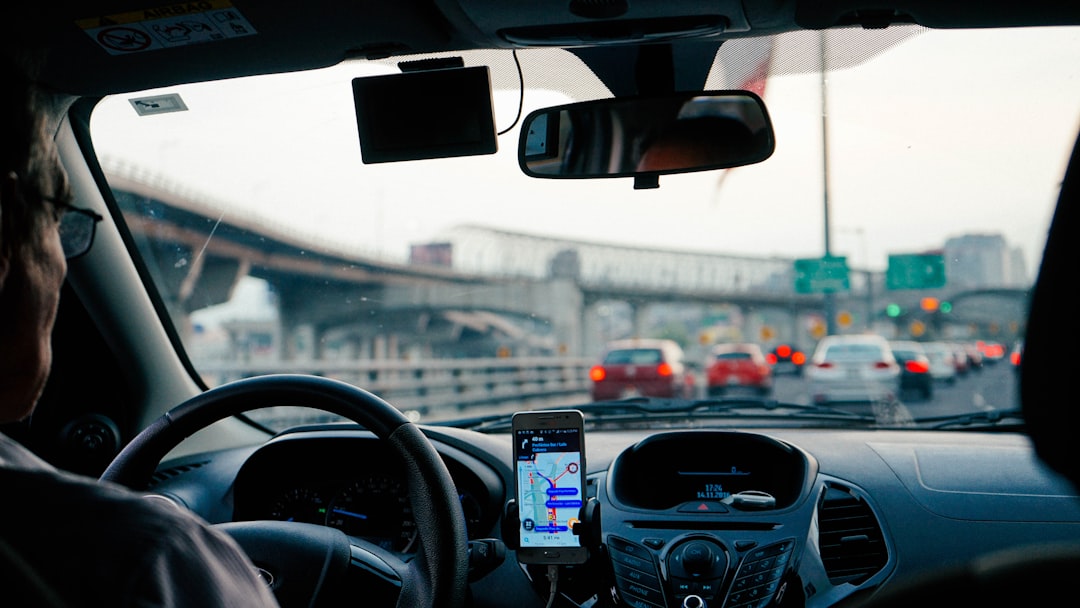
Drivers seem worse on the roads, but is it true? Here's what we know about why people might be struggling behind the wheel.
It’s not just a figment of your imagination—there’s a growing sentiment that drivers are worse now than they’ve been in the past. But what’s behind this apparent decline in driving skills? While there’s plenty of anecdotal evidence to fuel frustrations, assessing the reality of this perception requires taking a closer look at the possible factors in play.
Hankook Tire presents content exploring driving behaviors today, giving enthusiasts and concerned motorists alike a platform to question where it’s all going wrong. The shift in attitudes behind the wheel prompts an important question: is it about the tools we rely on, the significant dependence on technology, or broader societal changes?
The Overreliance on Technology
One plausible contributing factor is the increasing role of technology in modern vehicles. Features such as advanced driver-assistance systems (ADAS) offer conveniences like automated braking, lane correction, and adaptive cruise control. While these technologies promise to reduce driver error, they may also promote complacency. Drivers who overly rely on these systems risk losing hands-on skills and awareness, which could explain why some behaviors seem to be deteriorating.
Navigation aids, such as GPS systems, might also make people less equipped to make independent decisions when on the road. Are today’s motorists forgetting essential skills like reading the flow of traffic or understanding nuanced road signs?
Societal Shifts and Attention Spans
Modern-day distractions, particularly smartphones, have undeniably played a role in unproductive road habits. Despite initiatives to curtail phone usage while driving, many people still give in to checking notifications or responding to messages, often at the expense of their surroundings.
Moreover, there’s been speculation about declining patience levels, worsened possibly by post-pandemic lifestyle adjustments. As more people return to commuting regularly, old frustrations resurface, leading to riskier driving decisions—rushing through stoplights, tailgating, or unnecessary aggression. Could this restlessness be manifesting in poor traffic etiquette?
A New Era of Driver Education and Licensing
Also worth examining are changes in the way people learn to drive. With many states adopting less rigorous testing procedures to increase convenience or reduce bottlenecks during licensing, driving test standards could play a part in shaping less prepared drivers. In some regions, remote learning methods have changed the practical engagement that reinforces key skills. Over time, this might dilute the overall competency level of drivers entering the roadways.
Is It Just Perception?
The idea that drivers today are worse could also hinge on perception rather than fact. With dashcams and social media allowing for wider dissemination of bad driving incidents or "fail" compilations, people may feel surrounded by more poor driving simply because it’s more visible. Sharing clips of mishaps makes the unusual seem commonplace, further biasing opinions about overall driving norms.
Looking for Solutions
If better driving habits are the goal, fostering awareness over convenience will be essential. Education campaigns, stricter licensing protocols, and better enforcement of distracted driving laws could all contribute to improving conditions on the road. On the social side, cultivating patience and empathy among drivers could play a huge part in creating safer and less stressful commutes.
Driving culture reflects broader societal trends, showing how our relationship with technology, personal responsibility, and education evolves over time. While the growing feeling of shared frustration doesn’t yet mean there’s a complete epidemic in driving incompetence, concerns like these serve as reminders to remain vigilant and consider both the tools and habits that influence how people perform on the road.
Staff Writer
Nina writes about new car models, EV infrastructure, and transportation policy.
Comments
Loading comments…


