Online searches for electric vehicles soar, but will sales follow?
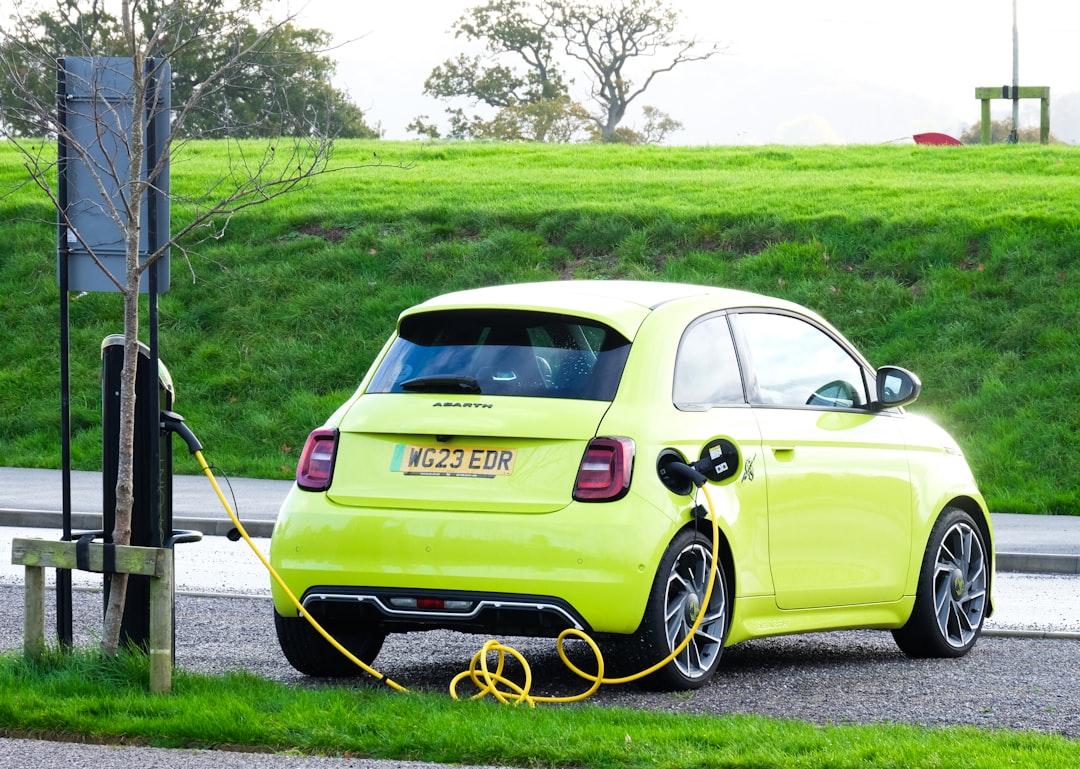
Increasing gas prices drive more online searches for EVs and hybrids, but do these trends predict a surge in sales?
Rising gas prices, driven partly by ongoing global tensions such as the war with Iran, have prompted a surge in American interest in electric vehicles (EVs) and hybrids. Online car shopping platforms including Cars.com and Edmunds report a significant increase in searches related to electric and hybrid models, but industry experts remain cautious about whether this growing interest will translate into actual purchases.
Why the Spike in Searches?
According to AAA, the national average gas price currently exceeds $4 per gallon, a threshold that often leads consumers to reconsider their vehicle choices. The trend on platforms such as Cars.com and Edmunds indicates that prospective car buyers are exploring EVs and hybrids as potential solutions to high fuel costs. While the financial strain of filling up at the pump is a likely motivator, this initial interest seems to still be in the exploratory stage.
Industry specialists describe it as "a car-curious moment." Greg Segal of NBC4 Washington notes that this growing awareness and curiosity around EVs might need more time to translate into purchasing decisions. "A lot of the curiosity we're seeing now starts to show up in actual sales three, four, or five months down the line," Segal quoted experts explaining about expected consumer behavior trends.
Are Sales Matching the Hype?
New sales data shows that there has been moderate growth in EV adoption, with electric vehicle sales rising by 12% in the first quarter of the year compared to January through March of the previous year. However, it is essential to differentiate this level of growth from the impact of current gas prices.
Analysts believe the reasons driving this 12% rise are not solely tied to fuel prices. Wider engagement with EVs could be driven by several factors, including expanding charging infrastructure, government incentives for EV buyers, and the increasing variety of models catering to diverse consumer needs.
For now, the role of elevated gas prices appears to be stimulating more searches online rather than directly driving purchases. What remains to be seen is whether this increased curiosity sustains itself long enough to influence real buying behavior over time.
Challenges to Converting Searches into Sales
Despite the increased interest, several barriers may prevent potential buyers from taking the leap into an EV or hybrid car purchase.
-
Cost of Entry: Many electric vehicles still come with a higher upfront price compared to conventional gasoline-powered cars. While government rebates and tax incentives help counteract some of these costs, the difference can be daunting, especially for cost-conscious buyers.
-
Charging Infrastructure: The national average for public EV charging rates, combined with limited charging station availability in some areas, is often cited as a drawback for would-be EV owners, particularly those relying on public infrastructure rather than home installations.
-
Range Anxiety: Some drivers remain concerned about the driving range of electric vehicles, particularly if they frequently undertake long trips or live in areas with limited opportunity to recharge during their journeys.
These factors make it clear that while the growth in searches may reflect heightened curiosity, it won’t necessarily result in immediate and widespread adoption.
A Glimpse Into the Future
The current uptick in EV and hybrid car interest highlights an important consumer shift. Even if gas prices are not the sole factor driving this change, they serve as a catalyst for heightened awareness of alternatives to traditional vehicles. Automakers will undoubtedly keep an eye on trends like these, tailoring their offerings to attract more of these "car-curious" consumers.
In the long run, broader developments such as improvements in battery technology, expanding charging networks, and competitive pricing will likely hold greater sway over EV adoption than gas price fluctuations alone. Policymakers and businesses also play a role in fostering an environment that makes switching to electric vehicles feasible and appealing for an increasing number of drivers.
For now, platforms like Cars.com and Edmunds reveal an intriguing trend but leave the ultimate question unanswered: will heightened interest in EVs and hybrids translate into lasting sales momentum? The coming months will provide important clues, especially as more consumers take their online explorations into dealerships.
Staff Writer
Nina writes about new car models, EV infrastructure, and transportation policy.
Comments
Loading comments…


