BMW bids farewell to the iX SUV and refreshing its i7 amid EV industry shakeups
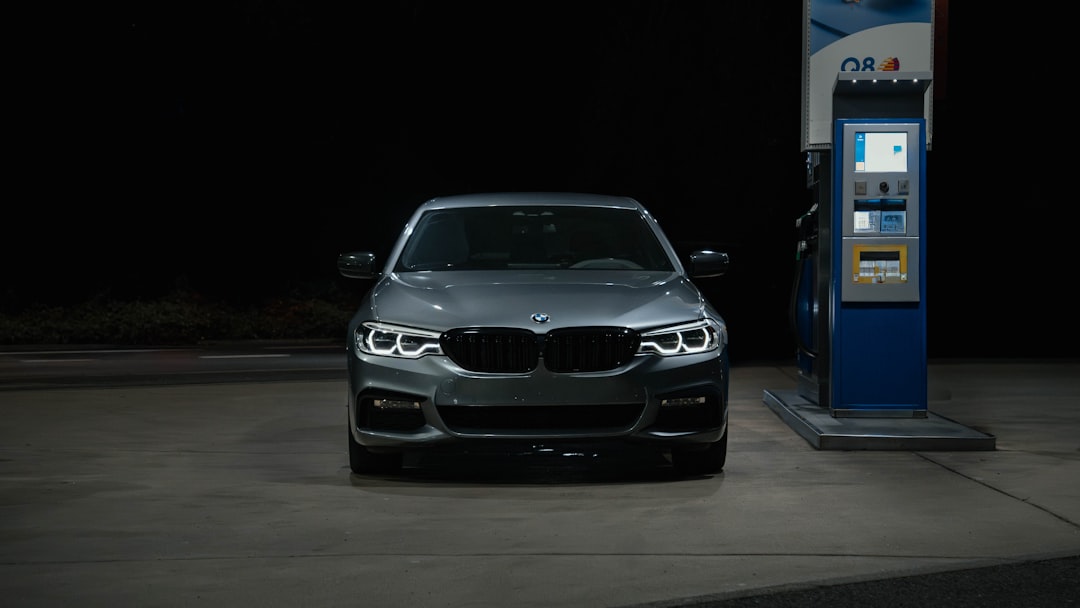
BMW discontinues the iX SUV while updating the i7 with innovative components and architecture.
BMW has confirmed that the iX SUV, a key part of their premium electric vehicle portfolio, will be discontinued. The vehicle's departure comes as the company shifts its focus to the Neue Klasse platform, a strategic renewal for future electric models. At the same time, BMW has refreshed the i7, keeping its luxury EV line competitive.
BMW Phases Out the iX SUV
The BMW iX SUV, designed as an all-electric luxury vehicle, is now officially out of production. EV enthusiasts have speculated about its fate for some time, especially as the Neue Klasse platform promises to introduce advanced models like the rumored iX-3 and possibly an iX-5 or iX-7. For prospective buyers, this marks a narrow window of opportunity to acquire the iX, a vehicle noted for pioneering BMW's current-gen EV design language.
i7 Refresh: A Mix of Old and New
On the other hand, BMW has given the i7 a significant refresh, blending its traditional architecture with elements of the Neue Klasse platform. This update introduces the zonal modular architecture, which employs streamlined wiring similar to modern systems used by Rivian and other automakers. This design includes simplified electrical pathways but retains the car's current 400-volt infrastructure. Notably, the vehicle can now handle over 630 amps of current—well beyond the present limits of most U.S. charging stations.
BMW's i7 update also introduces improved battery technology while remaining compliant with the existing system voltage. The enhancements aim to bridge the gap between legacy systems and the 800-volt standards becoming prevalent in next-gen luxury EVs. As the luxury EV market continues to expand, these adjustments place the i7 in a better position to compete.
Volkswagen ID.4 Exit from the U.S.
BMW isn’t alone in adjusting its EV strategy. Volkswagen also recently announced that it will remove the ID.4 SUV from the U.S. market despite a recent refresh. Although the model performed reasonably well within the small SUV EV segment, there’s speculation about market oversaturation and uneven demand contributing to its exit. Combined with BMW's withdrawal of the iX, these moves hint at an evolving—and arguably thinning—landscape for certain non-Tesla EV options in the United States.
Local and National EV Charging Developments
Shifting from vehicles to infrastructure, local and national EV charging strategies remain a focal point within the EV sector. This includes debates over mandatory EV charger installations at new commercial properties in regions like Missouri. For instance, St. Charles County aims to pass an ordinance similar to existing mandates in St. Louis County, requiring charger installations for parking lots with 50 or more spaces. However, progress often clashes with state-level resistance, including efforts to roll back electrical regulations to pre-2009 standards.
At the federal level, though, EV charging infrastructure is progressing. A 30% growth in DC fast chargers occurred last quarter, despite a 27% dip in new EV sales within the same period. Meanwhile, Tesla continues dominating the market, still operating 55% of available charging points—though this represents a slight decrease. The availability of chargers outpaces demand for the moment, signaling optimism for future EV adoption.
Private-Sector Initiatives: The Rise of Rangeway
In the private sector, emerging startups are rethinking the EV charging station experience. One such initiative is Rangeway, founded by CEO Zak Winnick. Combining EV expertise with a background in hospitality, Winnick is developing a unique, user-focused model to address common charging grievances. Rangeway's vision incorporates comfort and luxury into EV charging hubs, similar to an airline lounge.
Four-Tier Charging Concept
Rangeway’s facilities will feature four distinct tiers ranging from small-scale setups at trailheads to expansive 'base camps' with up to 12 charging ports. Each 'base camp' location will include indoor lounges, Wi-Fi, and cafe services, making long-distance EV trips more pleasant. To future-proof these charging stations, Rangeway has partnered with Ekoenergetyka, a Polish company providing cutting-edge charging hardware capable of handling 320-kilowatt speeds or more. The startup is planning multiple locations across the United States, and the first operational stations are expected within a year.
Circle K Partners with Ionna for Charging Expansion
Meanwhile, Circle K has partnered with EV charging firm Ionna to transform their existing facilities. They aim to enhance 85 current locations with EV chargers and expand to 350 stations in the future. While some EV drivers find this partnership ironic—given the stated goal of moving away from traditional fueling stations—the move highlights the growing necessity for infrastructure development in familiar and accessible spaces. This development could further normalize EV adoption by bridging the gap between convenience and necessity.
Broader Implications
The shifting strategies of major brands like BMW and Volkswagen, combined with evolving charging infrastructure, signal a pivotal moment in the EV industry's U.S. market strategy. Companies are moving away from merely offering EVs to focusing on integrated systems, from vehicle design to charging networks.
While Tesla's continued dominance demonstrates the benefits of early investment, competition is catching up, introducing innovation in vehicle design and user-centric approaches to charging. However, success hinges on aligning these technological advances with market demand and supportive state and federal policies.
Staff Writer
Nina writes about new car models, EV infrastructure, and transportation policy.
Comments
Loading comments…


