China’s EV Revolution: A Street-Level Analysis of Gas Cars vs Electric Vehicles
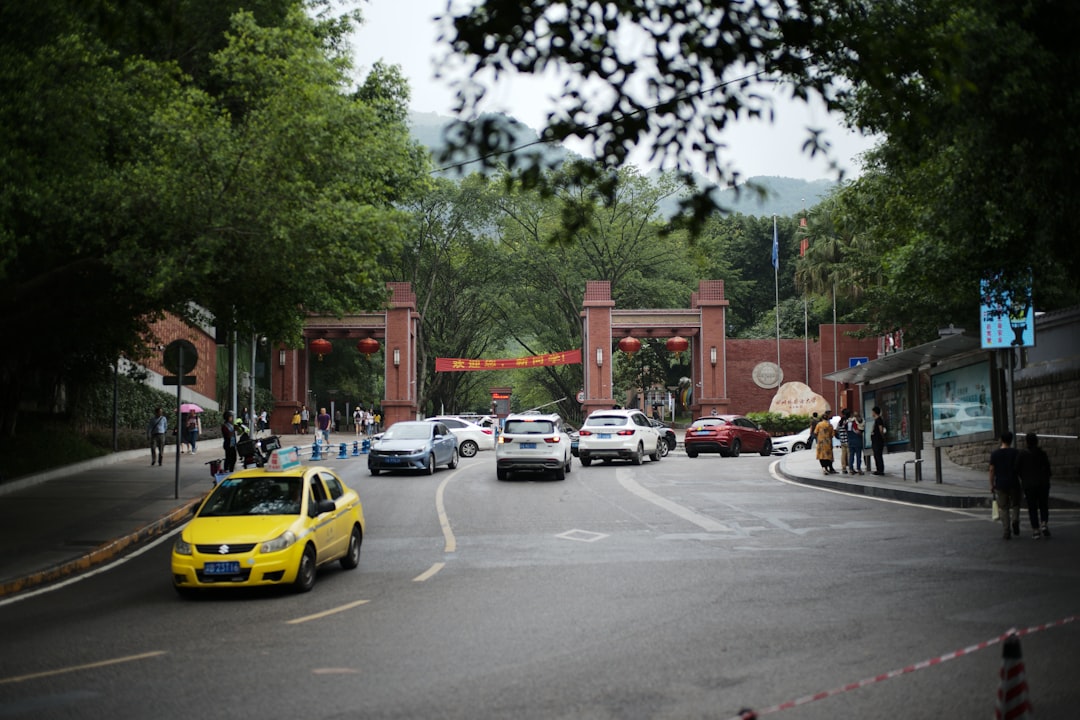
Chongqing offers a vivid snapshot of China's EV transformation, as electric cars and internal combustion vehicles remain neck and neck on the roads.
The streets of Chongqing, often described as the world’s most “cyberpunk” city, are becoming a battlefield for the future of automobiles. A recent real-world audit of the cars passing through this sprawling Chinese mega-city reveals a showdown between electric vehicles (EVs) and internal combustion engine (ICE) cars. After a count totaling 214 vehicles, the final tally ended in a dead heat: 107 EVs to 107 gas-powered cars. This equilibrium at the surface, however, hints at much deeper industry shifts shaping how China is transitioning toward electric mobility.
A City at the Crossroads of Innovation
Chongqing, home to 30 million people, represents a microcosm of China's broader EV revolution. For decades, the luxury of owning a German or Japanese ICE car symbolized prestige among middle-class families. But today, sidewalks and roadways are increasingly dominated by cutting-edge Chinese EVs. Brands like BYD—now the world’s top EV seller, eclipsing Tesla—are everywhere. Meanwhile, legacy automakers like Volkswagen and Toyota, once synonymous with reliability and status, find themselves squeezed.
The audit revealed that while ICE vehicles are still prevalent, EVs are catching up at a remarkable pace. BYD models, alongside electric taxis manufactured by local automaker Changan, signal that local innovation isn’t just adapting but flourishing. The streets of Chongqing highlight how China's automakers have not only embraced EVs but leveraged advanced technology to leapfrog traditional automotive giants.
Charging Into the Future
One of the most significant factors behind this shift is infrastructure. Chongqing’s residents benefit from robust EV charging networks scattered across urban locations—from underground parking lots to highway rest stops. These charging facilities have alleviated "range anxiety," a common concern for EV adopters in Western nations. While American and European cities struggle with bureaucratic hurdles, Chongqing has rapidly laid the foundation for an entirely new ecosystem.
Economic logic is also fueling the transition. On average, charging an EV in Chongqing costs a tenth of what it takes to refuel at a gas station. Maintenance costs for EVs are also notably lower since electric engines have fewer moving parts compared to combustion engines. In contrast to Western markets where EVs are sometimes framed as eco-conscious lifestyle statements, here they are seen as a pragmatic financial decision.
Local Titans and Global Players
Changan, a Chongqing-based automaker, underscores the complexity of China’s automotive scene. The company is an industrial juggernaut, having partnered with Ford, Mazda, and Suzuki over the years. Yet it’s Changan’s own EV line that dominates the streets, leaving its partnerships with global brands a distant second in terms of visibility.
Global automakers haven’t been idle in this space. Notably, brands like Audi and BMW have released EV-exclusive models tailored specifically for the Chinese market. Some of these aren’t available anywhere else in the world, offering international audiences a glimpse of innovations that remain out of reach. It’s a revealing trend that speaks to China’s evolving role as not just a manufacturing powerhouse but a hub for automotive design and innovation.
Shifting Perceptions of Status
The allure of EVs isn’t solely driven by cost or convenience. Chinese consumers are increasingly drawn to the tech-driven features EVs offer, such as AI-assisted driving, superior connectivity, and seamless integration with China’s broader digital ecosystem. The prestige once tied to the heritage of owning a Toyota or BMW is giving way to the appeal of owning smarter, faster, and "cooler" cars.
Names like BYD and XPeng, which don’t carry the centuries-old legacies of Western brands, are winning the hearts of younger drivers. The shift isn’t just economic—it’s cultural. For many consumers, the leap from mechanical engineering to digital sophistication encapsulates their values and aspirations.
A Tale of Two Operating Systems
The transition from gas-powered cars to EVs resembles a broader paradigm shift from mechanical systems to software ecosystems. The analogy to Nokia’s decline in the face of the smartphone revolution is apt. The foundational quality of legacy ICE vehicles is unquestionable—they are marvels of engineering. But as EVs turn automobiles into extensions of the digital world, legacy automakers may find it hard to compete if they don’t adapt quickly enough.
Global Implications
While China has embraced EVs wholeheartedly, other markets are lagging behind. The lower adoption rate of EVs in the U.S. and Europe can be attributed to a mix of consumer hesitation, infrastructure gaps, and perhaps even protectionism. Chinese EVs—competitive in both cost and technology—are largely absent from Western markets. Whether that’s due to trade policies or the automotive industry’s resistance to high-stakes competition, the result is the same: Western consumers miss out on cutting-edge vehicles dominating China’s streets.
The Future of EVs: Momentum or Deadlock?
Chongqing’s balance point of 107 EVs to 107 gas cars in this real-world experiment illustrates a tipping point. Innovation doesn’t pause, and the trend leans clearly in favor of EVs. As each blue-plated ICE car struggles for relevance, the "green army" of electric vehicles gains momentum. If current trajectories persist, ICE vehicles may soon see their numbers dwindle to margins rather than majorities.
The Takeaway
In Chongqing, EVs aren’t symbols of environmentalism; they’re signposts of an economic evolution. Whether driven by cost savings, charging convenience, or pure technological appeal, EVs are seizing their moment. The result is a transformed cityscape where every street corner reflects how much—and how quickly—the auto industry is evolving.
And as 214 cars pass under the shadow of Chongqing’s skyline, one thing becomes clear: the final result is not just a 107-to-107 tie. It’s a snapshot of change in progress. The real question isn’t whether EVs will dominate—but how soon they will cross the finish line.
Staff Writer
Mike covers electric vehicles, autonomous driving, and the automotive industry.
Comments
Loading comments…


