Electric air taxis aim to cut New York City travel times dramatically
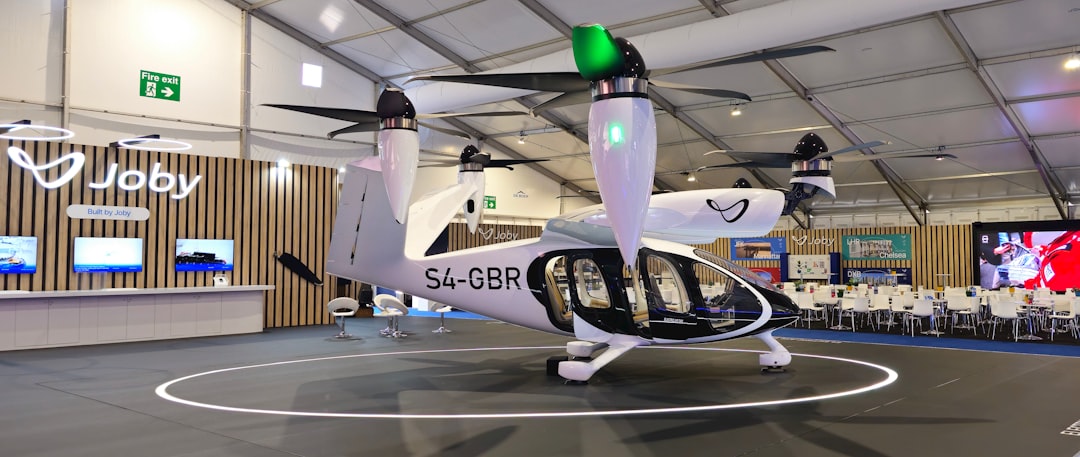
eVTOL aircraft could turn a 2-hour JFK commute into a 7-minute flight, offering quieter, cleaner, and faster travel options with FAA approval pending.
New York City's infamous traffic congestion might soon meet its match. A new form of transportation is being tested that promises to revolutionize how residents and visitors navigate the city and its surrounding areas: electric vertical takeoff and landing aircraft, or eVTOLs. These sleek, battery-powered vehicles, which look like oversized drones designed to carry passengers, could drastically reduce travel times to major regional destinations like John F. Kennedy International Airport (JFK).
The allure of faster, cleaner commuting
Imagine replacing a two-hour drive to JFK Airport with a quick 7-minute flight. That’s what eVTOLs bring to the table. Unlike traditional helicopters, these futuristic air taxis run purely on battery power, eliminating the need for gasoline or jet fuel. Key players behind this development include Joby Aviation, a California-based company responsible for manufacturing the aircraft, Blade, a New York air mobility operator, and the Port Authority of New York and New Jersey, which manages JFK and facilitated the recent test run.
This emerging network of eVTOLs has potential benefits far beyond fast commutes. For example, its speed and efficiency could transform time-sensitive logistics, such as organ transplant deliveries, which may now take minutes instead of hours. With the ability to lift vertically like a helicopter and transition into horizontal flight like an airplane, the eVTOL’s hybrid functionality adds versatility in urban environments where space is limited.
Comfortable, quiet, and commuter-friendly
Blade CEO Rob Wiesenthal emphasized that these aircraft differ significantly from traditional helicopters, both in design and passenger experience. For starters, eVTOLs are quieter, cutting down on the noisy disruptions typically associated with helicopter flights. They are also more comfortable, with modern cabin features comparable to luxury vehicles. Passengers can expect shoulder strap seat belts, panoramic windows, and even charging stations onboard. Unlike helicopters, which often require cumbersome safety gear and lack creature comforts, eVTOLs are built with daily commuters in mind, not industrial or military operators.
The pricing appears competitive as well. A trip from Manhattan to JFK is expected to cost around $200, which is comparable to a high-end Uber Black ride but offers a vastly shorter travel time. The planned routes for eVTOLs mirror those of Blade’s existing helicopter services, covering heliports on the West Side, East Side, and downtown areas of Manhattan, as well as destinations like Newark, Westchester, and the Hamptons during the summer.
Innovative technology meets heightened safety standards
While convenience and comfort are compelling, safety remains a top priority. The aviation community has expressed concerns following high-profile helicopter accidents, including a deadly crash in the Hudson River in recent years. Zach Reeder, the chief test pilot for the eVTOL, reassured skeptics, highlighting the sophisticated engineering of the aircraft. The eVTOL features six large propellers, each powered by dual electric motors, making it essentially a 12-motor aircraft. According to Reeder, the design is resilient: even if two propellers fail, the vehicle can still land safely.
This redundancy, combined with the quiet operation of electric motors, aims to create an aircraft that is not only efficient but also more reliable and less disruptive than traditional helicopters.
The road to FAA approval
While the eVTOL's potential is clear, it is not yet available for public use. The aircraft still requires certification from the Federal Aviation Administration (FAA), which regulates air travel in the United States. However, sources indicate that approval could be imminent, paving the way for commercial operations soon.
Once approved, eVTOLs could form a key part of urban air mobility networks, transforming not just how people commute but also enhancing the city’s ability to handle logistics like medical transport and emergency responses. The upcoming service taps into a growing global market for clean, efficient, and technologically advanced aviation solutions.
The broader implications of eVTOL adoption
If the eVTOL initiative is successful, it could signal a broader shift in urban transportation. Major metropolitan areas across the world are grappling with increasing congestion, environmental concerns, and the need for faster point-to-point travel solutions. A network of electric air taxis in New York City would not only alleviate traffic jams but could also serve as an example for other cities looking to adopt similar systems.
The partnership between Joby Aviation, Blade, and the Port Authority could also serve as a model of collaboration between private companies and public agencies to bring innovative concepts to life. By integrating eVTOLs into existing infrastructure – in this case, heliports already serving helicopters – the transition to these new vehicles could be streamlined.
What’s next for urban air mobility?
As we await FAA certification, the eVTOL project remains a symbol of what’s possible when technology and practicality converge. While skeptics will raise valid concerns about costs, scalability, and airspace management, early progress is promising. With its focus on clean energy, reduced noise, enhanced safety, and commuter comfort, the eVTOL could soon become an essential part of New York City's transportation ecosystem.
For now, New Yorkers can only imagine the simplicity of reaching JFK in a fraction of the time it currently takes. But with FAA approval on the horizon, that reality may be closer than we think. Once operational, the eVTOL service promises to redefine not just airport commutes but urban travel as a whole.
Staff Writer
Mike covers electric vehicles, autonomous driving, and the automotive industry.
Comments
Loading comments…


