How China leads the global EV market and what it means for competitors
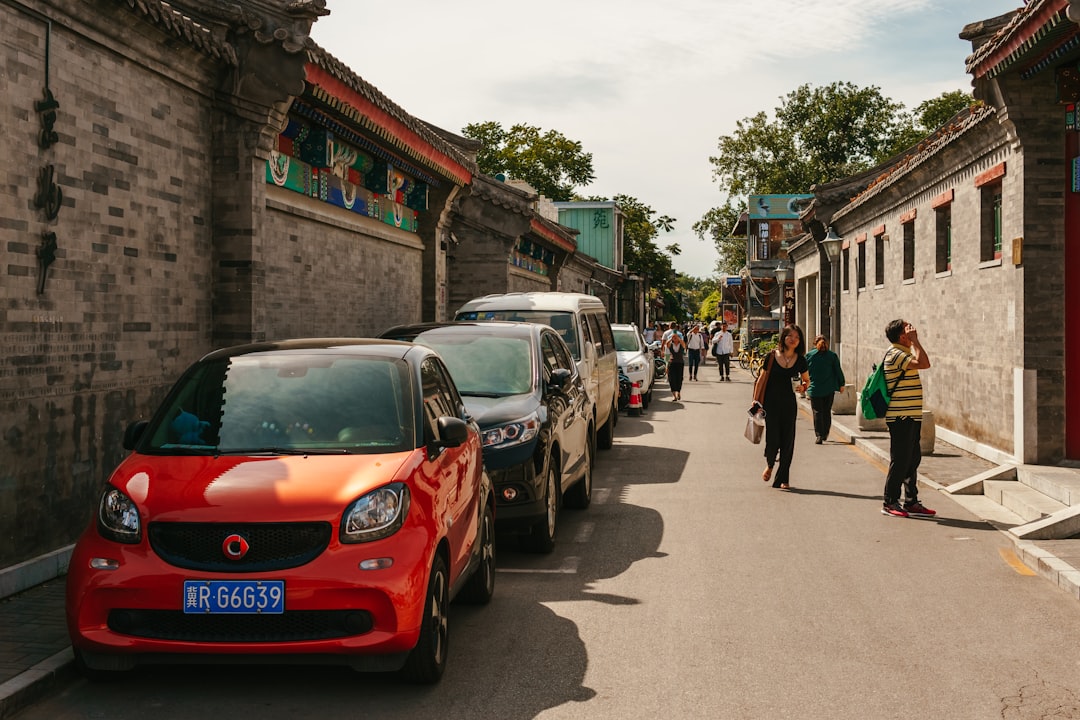
China now dominates the EV market, accounting for 70% of global production, transforming the industry with speed, affordability, and innovation.
China has solidified itself as the dominant force in the global electric vehicle (EV) industry, controlling more than 70% of worldwide EV production, according to the International Energy Agency (IEA). With high oil prices spurring interest in alternatives, particularly in Asia, Chinese carmakers like BYD and Chery have surged past their foreign rivals, reshaping the landscape of auto manufacturing and consumer choice.
China's EV Dominance: How Did It Happen?
The roots of China’s dominance in the EV market lie in its long-term, focused industrial policy. Starting as early as 2009, the Chinese government implemented extensive subsidies for the EV sector. These incentives spurred innovation and helped carve out a domestic market that is now highly competitive and mature. This initiative aligned with Beijing’s broader goals under its "Made in China 2025" strategy, which prioritized renewable energy and high-tech industries, including EVs.
One critical decision was to strategically foster local champions in battery production, a sector vital to EVs. Companies like CATL have since become global leaders in lithium-ion battery technology. Additionally, government procurement programs, such as purchasing EVs for public transportation, not only boosted domestic demand but also helped local companies scale to compete on a global stage.
Even Tesla’s success in China can partially be attributed to these policies. The Chinese government made exceptions to its traditional joint-venture rules to allow Tesla to establish operations without needing a local partner. This move was less about courting Tesla and more about using its manufacturing expertise to further strengthen China’s supplier ecosystem.
A Cutthroat Domestic Market
While subsidies played a significant role in kick-starting the EV industry, the fierce competition within China proved equally transformative. Domestic automakers were forced to innovate rapidly to survive in an overcrowded market where price wars became the norm. As a result, Chinese automakers developed the ability to design and manufacture new models much faster than their international counterparts. While global legacy carmakers typically take around seven years to move from conception to production, Chinese firms have shortened this timeline to just two or three years.
This intense internal competition has produced impressive results. Chinese brands, such as BYD and Chery, are not just leading on affordability but also offering strong technical specifications like advanced battery technology, rapid charging capabilities, and increasingly luxurious interiors—all at competitive price points.
The Push Beyond Borders
China’s focus is no longer limited to its domestic market. Its automakers are now actively expanding overseas, particularly into Southeast Asia and Europe, regions where EV adoption is accelerating. Governments in countries like Thailand, Malaysia, and Indonesia are offering incentives for local EV manufacturing, creating opportunities for Chinese brands to establish production facilities and gain a foothold in these markets. For instance, BYD is reportedly considering building a factory in Malaysia, addressing not only local demand but also regional export opportunities.
In Europe, Chinese automakers have been cautiously entering the market, often pricing their vehicles competitively but not so aggressively as to trigger protectionist responses. Regulators in the US and EU remain wary, with claims of unfair subsidies and potential market distortions. Yet Chinese manufacturers have shown restraint, likely to avoid punitive tariffs or other barriers to entry.
The Advantage of Affordability
Affordability has been key to Chinese companies’ success abroad. While legacy automakers in Europe and the US initially focused on producing high-end EVs, Chinese brands targeted the budget segment to gain market share. Models like the BYD Dolphin and Seagull are gaining traction, offering robust features at significantly lower prices compared to competitors.
This has directly benefited consumers worldwide. The fierce competition among Chinese automakers has driven down production costs, enabling the release of affordable, high-quality EVs that often include features once reserved for luxury models. Faster charging, advanced safety systems, and stylish designs are becoming more accessible, forcing global rivals to step up.
Navigating the Challenges
Despite its rapid ascent, China’s EV dominance is not without challenges. Internally, the market remains overcrowded, leading to razor-thin profit margins for many automakers. Price wars have left several players struggling, and questions linger about how many can sustain operations in the long run. Even BYD, one of China’s top EV exporters, faces stiff competition at home.
Globally, geopolitical pressures could limit the reach of Chinese EVs in specific markets. For example, the United States has imposed significant tariffs on Chinese imports, effectively blocking many Chinese automakers. These trade barriers, combined with local subsidies favoring domestic producers, create significant hurdles for Chinese brands seeking dominance in the US market.
Another challenge lies in the perception of fairness. European and US policymakers often accuse Chinese manufacturers of benefiting from state subsidies that create an uneven playing field. China argues that other countries are free to implement their own subsidies and industrial support policies.
The Ripple Effect on Global Rivals
China’s rapid progress in EVs has not gone unnoticed by global automakers. Legacy brands like Volkswagen and Toyota are under pressure to adapt their slower-moving production and development cycles to compete with the agility of their Chinese peers. Many are now increasing investments in EV technologies, with some even looking to China's market for insights. However, these efforts may take years to fully materialize.
Governments in Europe and North America are also stepping up their responses. For instance, the Biden administration's Inflation Reduction Act provides substantial subsidies for domestically produced EVs and batteries, designed to strengthen the US EV sector and reduce reliance on foreign players.
The Road Ahead
The future of the global EV market will likely be shaped by how effectively legacy automakers and governments adapt to China’s lead. While Chinese brands are poised to capture significant market share in regions where they are allowed entry, it is unlikely they will monopolize the industry. Instead, their rapid ascent has acted as a wake-up call, pushing competitors to innovate and pushing governments to rethink industrial policy.
Ultimately, for consumers, this competition means better vehicles at lower prices. As EV technology advances rapidly, even in oil-exporting or low-income countries, the adoption of cleaner and more efficient transportation seems certain to grow well into the future. China’s current dominance, supported by years of strategic planning and swift execution, has already redefined the market—and for now, global competitors are following its lead.
Staff Writer
Mike covers electric vehicles, autonomous driving, and the automotive industry.
Comments
Loading comments…


