Kia PV5 electric van arrives in Europe: up to 412 km range and 150 kW charging
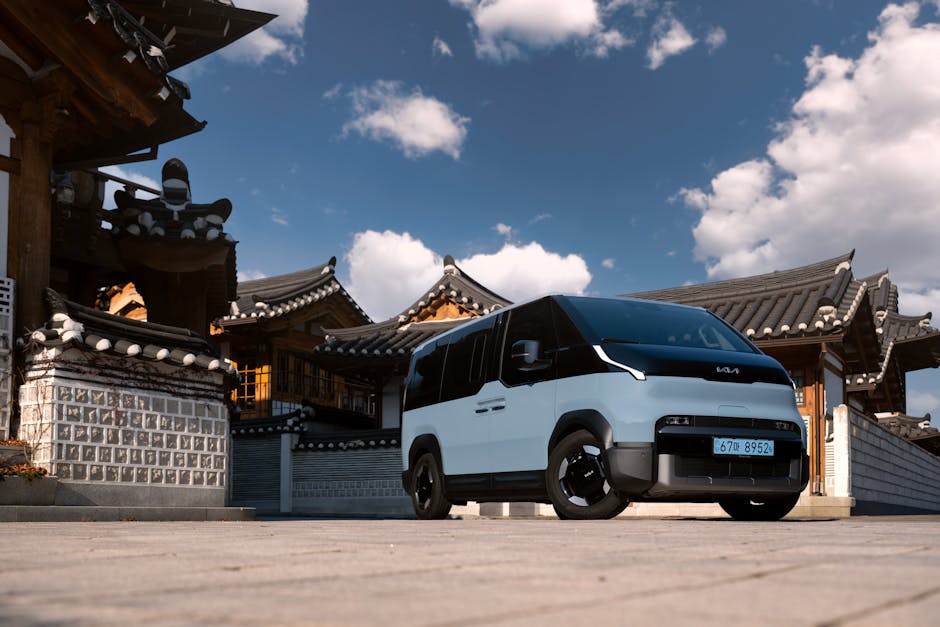
Kia introduces the PV5 to the European market, an electric van offering practicality, two battery options, and advanced charging up to 150 kW.
The European market for electric light commercial vehicles and passenger vans is gaining an intriguing new contender with Kia’s introduction of the PV5. Designed for both personal and professional use, this all-electric van aims to address the demands of modern transportation with its blend of practicality, performance, and environmental sustainability. Launched in both Passenger and Cargo variants, the PV5 is set to challenge its internal combustion and electric competitors alike.
Two battery options for flexible range
Central to the appeal of the Kia PV5 is its driving range. The van offers two battery configurations, with the more powerful option enabling a range of up to 412 kilometers on a single charge. While specific details about the smaller battery’s range have not been disclosed, the availability of two choices gives prospective buyers the ability to balance cost and range requirements. This adaptability is especially appealing in urban settings where shorter trips dominate but doesn’t limit the PV5 from handling longer routes.
Fast charging keeps downtime minimal
Charging capabilities are another highlight, with the PV5 supporting a maximum charging speed of 150 kW. This ensures significantly reduced charging times, making the van more practical for frequent or commercial use. Quick charging is a critical feature for professional drivers who count on short interruptions to preserve productivity, particularly when using the vehicle for logistics or passenger transport.
Performance designed for functionality
The Kia PV5’s top speed is listed at 135 km/h, which is well within the typical range needed for both urban and highway driving. However, this metric also points to the targeted focus of the vehicle, which emphasizes functionality and reliability over high performance. For businesses relying on consistent operations over speed, this design choice will likely resonate.
Interior design prioritizes utility
Stepping inside, the interior of the PV5 further underscores its functional emphasis. Extra-deep windows enhance visibility, which is a valuable safety feature in environments ranging from busy streets to industrial loading zones. The Passenger variant can be equipped with up to seven seats, making it an ideal people mover for shuttle businesses, carpools, or family transport.
The Cargo variant has been specifically tailored for commercial use, with an interior spacious enough to accommodate two standard Euro pallets or over 4,000 liters of cargo volume. These specifications position the PV5 as a versatile workhorse for industries like delivery services, trades, or small-scale logistics. Kia’s focus on modularity and ample storage speaks directly to businesses that require flexible solutions.
Competitive pricing
Pricing starts at €38,290 for the Passenger version, with the Cargo model costing about €900 more. These figures suggest that Kia is aiming for the middle tier of the market, offering a competitive alternative to both traditional combustion vehicles and electric competitors from brands like Renault, Ford, and Volkswagen. When considering the advanced electric capabilities and extended range options, the PV5’s price point could attract a broad spectrum of buyers, stretching from families wanting an eco-friendly large vehicle to fleet operators looking to reduce long-term running costs.
How it stacks up against competitors
The arrival of the Kia PV5 adds fresh competition to a market segment that has been steadily growing. For instance, the Renault Kangoo E-Tech Electric and Volkswagen ID.Buzz have been pivotal players in offering small and mid-size electric vans to European customers. However, the PV5’s combination of long-range options, fast charging, and spacious designs may set it apart as a better all-around solution for drivers who need a balance between city maneuverability and long-distance practicality.
Who will benefit most?
Businesses with growing environmental compliance requirements, particularly in urban areas with low-emission zones, will find the PV5 to be an appealing choice. Its zero-emission design helps companies meet regulations while potentially reducing costs tied to fuel and vehicle taxes. Similarly, families or community-based transport services looking for substantial storage and seating capacity without the carbon footprint may see the Passenger variant as an ideal fit.
Looking ahead: a versatile addition
Kia’s PV5 marks a notable evolution in the automaker’s efforts to electrify its lineup, particularly within the light commercial vehicle and multi-passenger space. With both private drivers and commercial users in mind, the PV5 could change perceptions of efficiency and flexibility in electric transportation. As other automakers push similar offerings, the PV5’s debut serves as a reminder of how vibrant and competitive this segment remains.
Staff Writer
Mike covers electric vehicles, autonomous driving, and the automotive industry.
Comments
Loading comments…


