How the World is Fighting for Control of the EV Battery Market
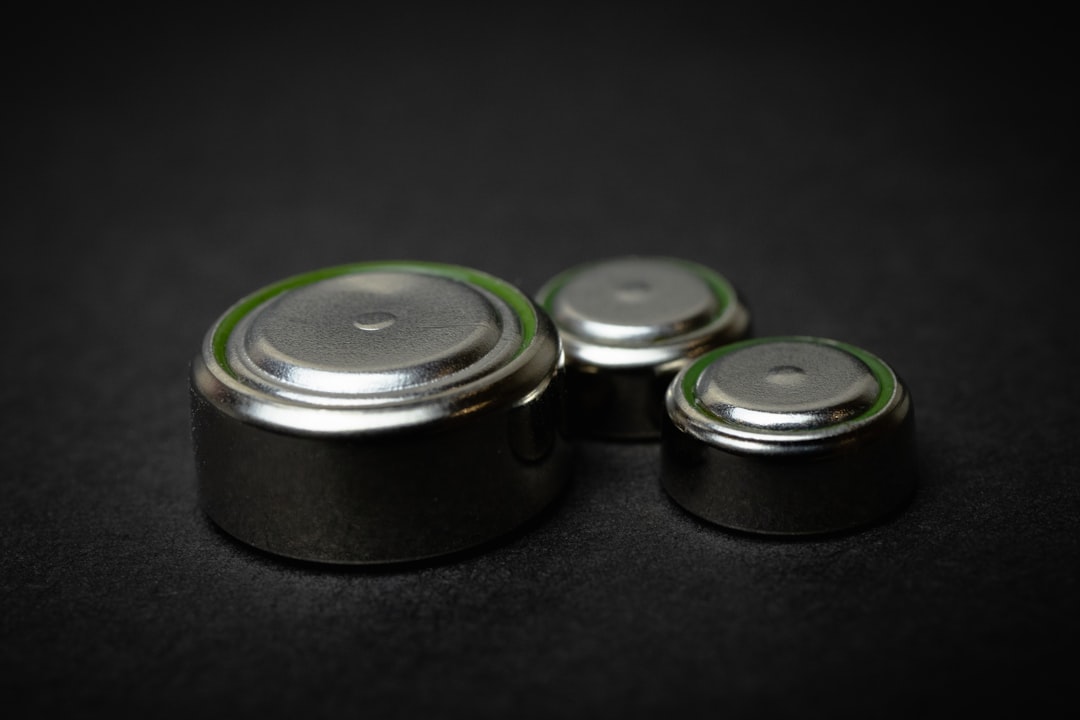
China’s dominance in EV batteries has sparked a global race to innovate and localize production, with key players trying to break free from its hold.
The Quiet Revolution That Started with Lithium-Ion
In the early 1990s, Sony revolutionized consumer electronics with a single innovation: the first commercial lithium-ion battery. Lightweight and highly efficient, these batteries powered portable devices like camcorders, opening a floodgate for modern technology. Over the decades, their cost has sharply declined while their energy capacity has surged. By the 2020s, lithium-ion batteries found themselves at the heart of another transformation—electric vehicles (EVs).
Today, EVs are reshaping global transportation, and the world’s largest player in this revolution is China. Not only do Chinese companies dominate lithium-ion battery production, but their inexpensive models are outpacing fossil fuel-powered vehicles in price competitiveness. With four out of the top five global battery makers based in China, the country has positioned itself far ahead of international competitors.
How China Built an EV Battery Empire
China’s dominance didn’t happen overnight. For decades, the Chinese government systematically supported EV and battery development, starting with subsidies in the early 2000s. By 2015, its “Made in China 2025” plan identified batteries, EVs, and robotics as key areas for global leadership. This dedicated funding, combined with initiatives like making EVs cheaper to license than fossil-fuel vehicles, created fertile ground for battery manufacturers.
Another significant factor in China's success is its vertically integrated supply chain. From mining raw materials to refining them and producing finished batteries, China controls virtually every step. For example, lithium—a crucial battery component—is mined in places like Chile and Australia, but it is primarily processed in China. This refining bottleneck puts China in a uniquely powerful position, controlling up to 80% of the global processing capacity for critical battery materials like lithium carbonate and lithium hydroxide.
China’s state backing, coupled with innovation in cheaper battery chemistries such as lithium iron phosphate (LFP), has allowed the country to manufacture affordable EVs at an impressive scale. BYD’s Seagull, for instance, is a low-cost EV with a 190-mile range, selling for a third of the price of a Nissan Leaf in the U.S. This affordability has further bolstered global adoption of Chinese EVs, particularly in emerging markets.
The Chemistry Wars: NMC vs. LFP
Advances at the material level have helped solidify China’s battery lead. Historically, nickel-manganese-cobalt (NMC) batteries were favored for EVs due to their higher energy density. However, LFP batteries developed as a cost-effective alternative, succeeding with the help of Chinese innovation. By continually tweaking the LFP chemistry—improving energy density and reducing limitations—manufacturers scaled them rapidly, setting new benchmarks in price-performance.
Some Chinese-made LFP batteries can now recharge as quickly as it takes to refuel a gas car, providing a direct boost to EV adoption. These cheaper, faster-charging batteries are powering the majority of EVs manufactured in China today, a testament to the country’s focus on scalable, affordable solutions.
Cracks in China’s Armor
Despite this dominance, there are hurdles. Overcapacity and intense price competition within the industry led Chinese companies to invest more overseas than domestically in 2024. The shift in focus underscores the emerging difficulties within China’s market, including price wars that cut into profit margins. Furthermore, geopolitical tensions and protectionist policies in markets like the United States and Europe challenge Chinese EV makers’ global ambitions.
To shore up its technological lead, China has strengthened export controls on critical battery components, prioritizing local use of its cutting-edge technology. Yet, as demand for EVs and batteries grows worldwide, competitors are scrambling to localize their supply chains, eyeing opportunities to reduce dependence on Chinese components.
The U.S. Response: Innovation and Localization
American companies like General Motors (GM) are betting on innovative chemistries to challenge China's grip. GM is developing Lithium Manganese Rich (LMR) batteries, which reduce reliance on cobalt and nickel. While these prototypes offer a middle ground in range (around 400 miles, compared to 350 for LFP and 492 for high-nickel NMC cells), GM plans to bring this next-generation technology to market by 2028. Crucially, GM is also working to shift its supply chain closer to home, reducing dependency on Chinese manufacturing for critical components like cathodes and graphite.
However, the road ahead isn’t smooth. U.S. EV makers face volatile policy landscapes where subsidies and regulations change every few years, unlike the stable and consistent state support seen in China. Major investments, such as GM’s efforts to build battery facilities in North America, are financially risky in such an unpredictable environment.
New Players and Circular Solutions
Beyond legacy automakers, startups worldwide are also seeking to disrupt the status quo. Some aim to develop entirely new chemistries, while others focus on recycling existing batteries. In Norway, Hydrovolt has created a facility to recycle EV batteries into “black mass,” a material rich in critical metals like lithium, cobalt, and nickel. This circular economy approach not only reduces reliance on mining but also addresses the ethical concerns associated with raw material extraction.
However, scaling battery recycling remains an uphill challenge. Europe’s nascent EV battery supply chain provides limited demand for recycled materials, and profitability is far from guaranteed. Still, as millions of EVs eventually retire from service, the opportunity for recycling is likely to grow substantially.
Global Expansion: China’s Factory Exports
Interestingly, China is looking beyond its borders to further cement its lead. Companies like Gotion are setting up manufacturing facilities abroad, such as a highly automated LFP battery factory in Illinois. While this helps Chinese firms circumvent tariffs and access untapped markets, it also promotes collaborative innovation. For instance, the U.S. gains a foothold in battery manufacturing by integrating Chinese expertise with domestic capabilities.
The Illinois facility alone is projected to employ 750 people by 2026 and shows the potential for renewing the American manufacturing sector. Yet projects like this are not without their controversies. Public concern over environmental impact and foreign ownership remains a sensitive issue, as seen with Gotion’s delayed expansion efforts in Michigan.
The Future of Battery Tech
While China leads today, the race for battery supremacy is far from over. Emerging technologies, international investments, and policy shifts could reshape the industry. From innovative chemistries to recycled materials, the next frontier isn’t just about who builds batteries cheaply—it’s about who builds them sustainably, efficiently, and with diversified supply chains.
As EV adoption accelerates worldwide, the competition will intensify. Batteries transformed the technology landscape once, scaling down from camcorders to smartphones. Now, they power electric cars and energy grids, symbolizing another massive shift in the global economy. Who will lead the next chapter of innovation—China or its disruptors—remains an open question.
Staff Writer
Mike covers electric vehicles, autonomous driving, and the automotive industry.
Comments
Loading comments…


