Tesla Model Y Crash on I-280 Raises EV Safety Concerns
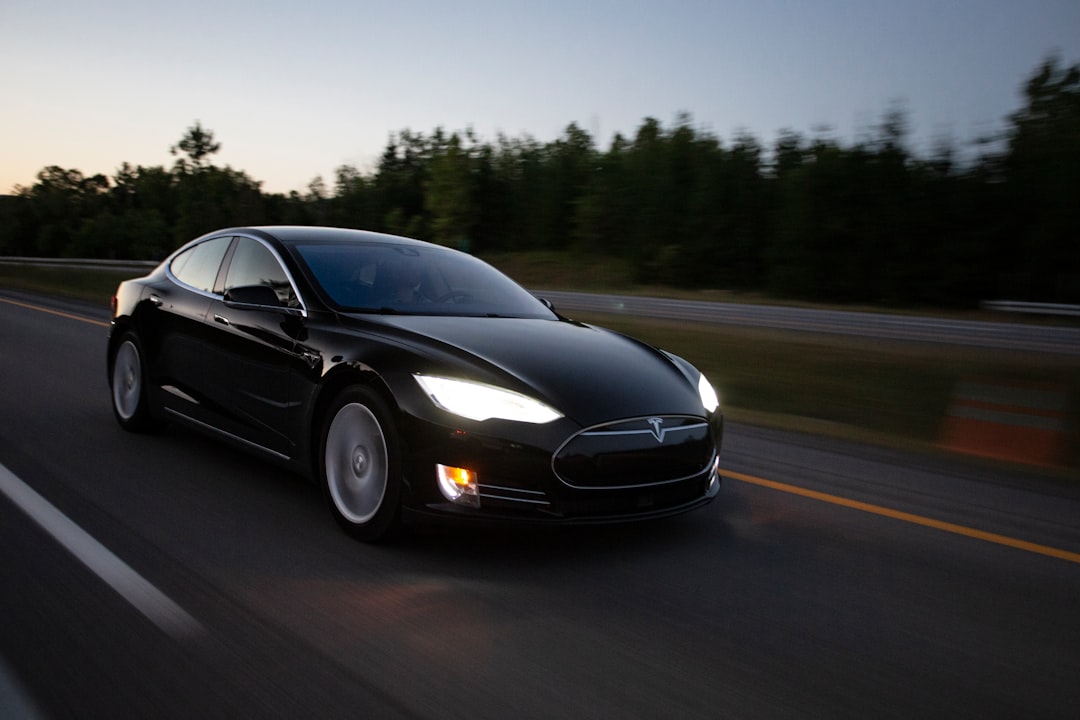
A Tesla Model Y crash on I-280 highlights the risks of EV fires and questions surrounding electric vehicle safety during emergencies.
A dramatic crash involving a Tesla Model Y early Tuesday morning temporarily shut down all northbound lanes of Interstate 280 in Daly City, California, prompting renewed scrutiny of safety in electric vehicles (EVs). The crash occurred before 6:00 AM when the driver reportedly lost control of the vehicle, hitting an embankment and flipping the car, which subsequently caught fire.
Tesla Driver Escapes Unharmed
According to California Highway Patrol (CHP), the sole occupant, who was driving the Tesla, managed to extricate himself immediately after the crash and was taken to a local hospital with injuries described as non-life-threatening. The incident delayed northbound traffic for several hours as crews worked to extinguish the flames and clear the wreckage.
CHP has not formally identified the exact cause of the accident, but weather conditions were noted as potentially hazardous. With stormy weather in the area, officers reminded drivers of the risks of hydroplaning, particularly when vehicles hit standing water at high speeds. “You want to have both hands on the wheel—rather than one hand or, sometimes, no hands, which we still see. Driving in these conditions demands full awareness,” said CHP Officer Andrews.
EV Fires Pose Unique Challenges
The fire that engulfed the Model Y reignited discussions about the complexities of extinguishing electric vehicle fires. Unlike vehicles equipped with internal combustion engines, EVs are powered by lithium-ion batteries that introduce unique risks. Sam Abuelsamid, vice president of market research at Guidehouse Insights, explained that these fires are exceptionally difficult to put out due to the chemical composition of the batteries.
“When the battery cells are damaged and catch fire, they release their own oxygen, fueling the flames autonomously. That’s what makes it especially hard to extinguish with traditional fire suppression methods,” he said. The chemical reaction between the cathode material and the electrolyte keeps the fire alive, often requiring extensive amounts of water or specialized fire-retardants to control the situation.
The firefighting challenges associated with EVs have led some experts to call for improved safety protocols for first responders. Videos from prior EV fires often show scenes of firefighters struggling for hours to fully suppress battery fires, as reignitions are common.
Emergency Exits: A Design Weakness?
Beyond the difficulty of extinguishing EV fires, concerns are growing over the usability of emergency exit mechanisms in electric vehicles like Tesla’s. While the driver of Tuesday’s crash was lucky enough to escape, Abuelsamid pointed out potential safety flaws in scenarios where occupants may be incapacitated or trapped inside the vehicle.
Electric cars often rely on electronic systems for features such as opening doors. In an emergency where these systems fail, opening manual overrides can be confusing or inaccessible. In Tesla vehicles, for example, rear-seat passengers must locate a hidden emergency release cable beneath a trim panel to manually unlock the rear doors.
“That’s the bigger risk,” Abuelsamid noted. “In situations where electric systems are damaged, passengers may not know how to operate the mechanical release mechanisms. Regulators need to push for better standards in designing these safety features to ensure they’re intuitive in life-or-death situations.”
Safety Under the Microscope
The incident highlights broader concerns about electric vehicle safety, which juxtaposes the growing adoption of EVs on the road. Tesla, the world’s leading EV manufacturer, maintains high safety ratings for many of its models, but the unique risks related to lithium-ion batteries continue to raise questions.
With EV sales increasing globally, industry groups and government agencies are under rising pressure to address these issues. More training for first responders, new fire suppression methods, and design modifications to improve emergency exits are just a few of the measures experts recommend.
What This Means for EV Owners
Incidents like these serve as a reminder for EV owners to familiarize themselves with the emergency features of their vehicles. Knowing how to manually operate the doors or disable the electrical systems during a malfunction could make all the difference in a crash. Additionally, understanding the physical layout of manual release mechanisms and sharing this knowledge with passengers could enhance safety.
For regulators and manufacturers, the Daly City crash adds urgency to calls for updated safety standards. Whether it’s creating universal solutions for extinguishing EV fires or simplifying manual overrides, the industry clearly has room for improvement.
As authorities investigate the cause of Tuesday’s crash, the spotlight on EV safety—and Tesla’s designs in particular—remains firmly in place.
Staff Writer
Nina writes about new car models, EV infrastructure, and transportation policy.
Comments
Loading comments…


