Hyundai seat fatality, Sony-Honda EV scrapped, MG's European push, and Cybertruck’s safety win
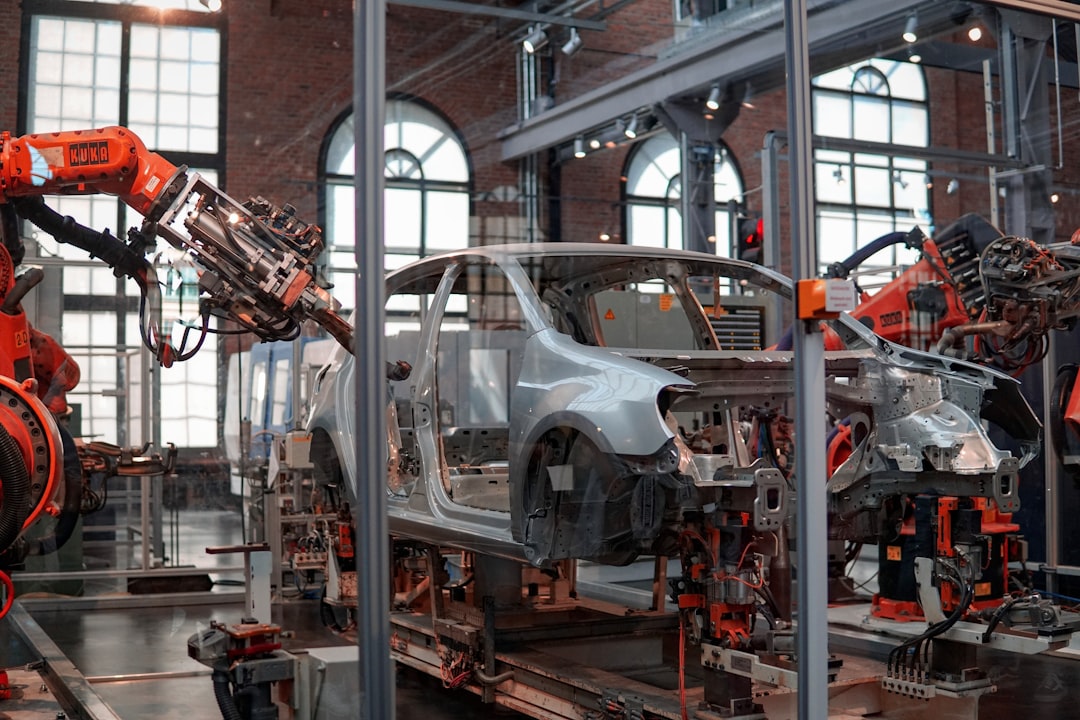
A Hyundai seat malfunction leads to a tragedy, Honda and Sony's EV partnership folds, MG innovates in Europe, and the Tesla Cybertruck earns top safety praise.
The automotive industry has experienced a series of dramatic developments recently, ranging from a tragic design flaw in Hyundai vehicles to significant shifts in the electric vehicle (EV) market globally. Here's a closer look at these events and their implications.
Hyundai Recall Following Tragic Fatality
The safety of Hyundai vehicles has been called into question following a devastating incident involving a power-folding seat in the Hyundai Palisade. On March 7, 2026, a two-year-old child was killed when the vehicle's power-folding third-row seat failed to detect an obstacle and closed on the child. An investigation has revealed that Hyundai was aware of these seat malfunctions as far back as August 2025. By November of that year, several injuries linked to the faulty system had already been reported, and an internal investigation was launched. Despite this, Hyundai decided to classify the risk as low, opting against a recall.
The decision to delay corrective action now seems irresponsible in light of the fatality. Following the tragedy, Hyundai finally issued a recall affecting over 60,000 vehicles across the United States and Canada. The incident not only underscores the importance of rigorous safety protocols in vehicle design but also raises questions about how automakers prioritize potential risks.
Sony-Honda EV Partnership Ends
In the world of electric vehicles, the high-profile collaboration between Sony and Honda, which promised to deliver a unique “PlayStation on wheels,” has officially hit a dead end. The ambitious joint venture envisioned leveraging Honda’s automotive experience with Sony’s tech expertise to create a cutting-edge EV. However, the project collapsed before a single car hit the road.
According to reports, Honda’s sudden strategic shift in March 2026 played a major role in the breakup. After posting its first financial loss in nearly 70 years, Honda decided to abandon its Zero Series platform and cut over $15 billion in EV investments. Without Honda's backing, the infrastructure, factories, and logistics required to bring this vision to life evaporated, leaving Sony stranded. Sony Mobility has since refunded deposits to disappointed customers who had anticipated their vehicles by the end of 2026.
The failure of this project reiterates the challenges traditional automakers and newer tech companies face when partnering on EV platforms. Corporate promises and creative concepts can only go so far without substantial commitment and solid execution.
MG Invests in European Battery Innovation
Amidst these setbacks, MG, the Chinese-owned automaker, is making waves in Europe with its investment in battery technology. The company recently opened a cutting-edge engineering center in Frankfurt, Germany, focused on developing advanced battery solutions tailored to European needs. The goal is to produce solid-core, semi-solid state batteries, which are more efficient in cold climates and can charge rapidly. MG aims to roll out these batteries by the end of 2026.
The move reflects China’s aggressive push to dominate the EV market in Europe, where Chinese brands now account for an impressive 8% of new car registrations. With European automakers still grappling with the high costs of traditional battery technology, MG’s advancements have the potential to disrupt the market further.
Recent surveys suggest that approximately 80% of European drivers feel either positive or neutral about EVs—a sign that attitudes are shifting towards greener transportation options, especially as Chinese brands gain ground by offering affordable, practical vehicles.
Tesla Cybertruck: Safest Pickup of 2026
While much of the automotive world faced setbacks or controversies, Tesla’s Cybertruck bucked expectations in a significant way. The angular, stainless steel design of the Cybertruck, which initially attracted both ridicule and skepticism, has now earned it the prestigious “safest pickup” title for 2026. The vehicle received the Insurance Institute for Highway Safety’s (IIHS) Top Safety Pick+ award, becoming the only truck this year to achieve this distinction.
Tesla achieved this feat by quietly enhancing the Cybertruck's structure, improving cabin rigidity to increase passenger protection during collisions. Advanced camera systems also played a critical role, with the Cybertruck excelling in pedestrian detection, both during the day and at night.
This safety recognition could be a major boon for Tesla, which has struggled with production delays and quality control issues for the Cybertruck. The achievement repositions the vehicle from a divisive novelty to a serious contender in the pickup market.
What These Developments Mean for the Industry
Taken together, these events highlight both the risks and opportunities facing the automotive sector. The Hyundai seat malfunction reminds us of the potential human cost of slow responses to safety flaws, while the collapse of Sony-Honda’s partnership underscores the financial uncertainty of EV projects. Conversely, MG’s advancements in battery technology and Tesla’s safety accolade offer a glimpse of the innovation driving the industry forward.
As the market continues to shift towards electrification, consumer expectations—particularly around cost, safety, and sustainability—are becoming more pronounced. Companies that adapt effectively to these demands will likely lead the market, while those that fail to do so risk becoming irrelevant in a rapidly changing landscape.
Staff Writer
Mike covers electric vehicles, autonomous driving, and the automotive industry.
Comments
Loading comments…


