Rising Fuel Prices Trigger Surge in EV Sales Amid ‘Pump Anxiety’
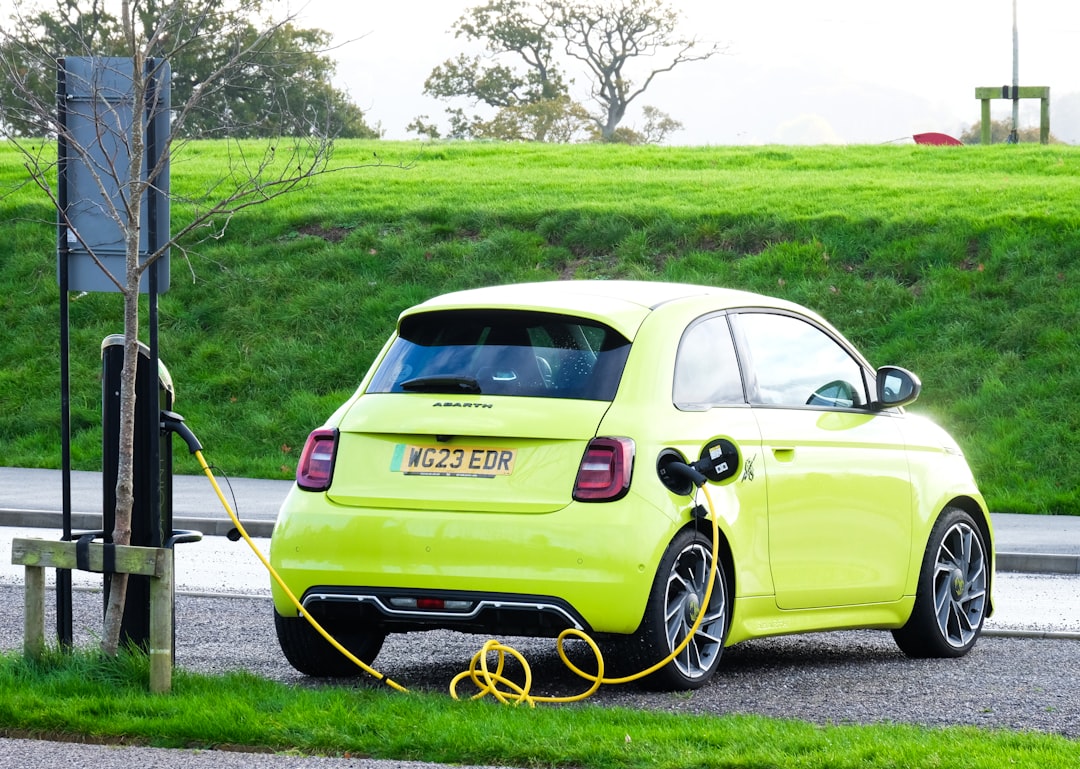
Spiking petrol prices and Middle East tensions have driven a surge in interest and sales of electric vehicles, addressing long-standing range concerns.
Electric vehicles (EVs) have long been considered the future of transportation, but adoption has been hindered by skepticism about their high prices, limited range, and the perceived hassle of charging. However, a new factor is changing the narrative: ‘pump anxiety.’ As petrol prices skyrocket due to tensions in the Middle East, consumer interest in EVs has surged, with some automakers reporting dramatic increases in sales, test drives, and online traffic.
Fuel Prices and Consumer Behavior
The lifting fuel costs fueled by the ongoing Middle Eastern conflict are leading many drivers to reassess their reliance on petrol. Search interest in EVs has jumped, with some attributing this to what’s being called ’pump anxiety.’ This term encapsulates the growing stress of high petrol prices and the volatility of the global oil market, prompting more consumers to explore alternatives. Several automakers confirm the trend: traffic to EV product pages and advert viewership has spiked, while dealerships report more EV test drives and inquiries.
For automakers, the surge is translating into real sales. A key player noted a 36% rise in overall EV leads since the tensions escalated in Iran, with direct-to-consumer sales experiencing an 80% growth compared to earlier in the year. The shift underscores a tangible change in buyer behavior as petrol price hikes make the cost equations favor an EV purchase over the long term.
Take, for instance, the daily economics. A typical EV with a battery capacity of 82.5 kWh can achieve about 280 miles on a single charge. Charging overnight on a cheaper energy tariff brings the cost to roughly £6—significantly less than the £40 a consumer might spend on petrol for a similarly sized combustion-engine car traveling the same distance. Despite the still-high upfront costs—EVs remain about 20% more expensive than equivalent petrol models—the savings on refueling and maintenance provide motivation for more buyers to make the leap.
Diverging Perspectives on the Surge
Although there is data to support the correlation between petrol prices and increased EV interest, not all industry insiders fully attribute the growth to the current geopolitical situation. One automaker’s representative expressed skepticism, arguing that the popularity of EVs was already growing due to advancements in range and charging infrastructure. They cited newer models with longer ranges and user-friendly charging systems as key drivers of consumer confidence.
Moreover, the automaker argued that while rising fuel prices might explain the short-term spike in EV leads and sales, the outlook for long-term interest depends on providing quality products people feel comfortable adopting. For the electric vehicle sector to sustain this momentum, manufacturers are focusing on innovation. Competitive pricing, enhanced range with batteries exceeding 300 miles, and a rapidly improving charging infrastructure are building the foundation for a lasting shift, regardless of petrol price fluctuations.
Improved Offerings Drive Choices
Affordability and variety are another factor influencing this EV surge. Newer entrants in the market, like Kia’s EV6, launched at a sub-£25,000 price point, showcasing how the cost of EVs has been falling. In the past, limited options restricted customer adoption, but today’s choices range from compact EVs to high-performance electric SUVs. As the technology advances and automakers introduce models at different price points and configurations, more consumers can find an EV that suits their needs.
Kia also revealed an 84% increase in requests for EV test drives since February last year, demonstrating that interest is not just about aspiration—real buyers are entering showrooms and seriously considering an EV purchase.
Charging Infrastructure: No Longer a Roadblock?
Charging remains one of the most-discussed aspects of EV ownership. However, the infrastructure to support EVs is catching up, evolving to meet growing demand. More public charging stations along highways, faster charging speeds, and incentives for installing home chargers are allay range concerns. As these improvements roll out, the conversation shifts from, ‘Can I drive an EV?’ to ‘When should I switch to one?’ Infrastructure advancements are crucial for convincing hesitant consumers that EVs can be as easy to live with as traditional cars.
The Role of Marketing and Perception
The auto industry is also leveraging the moment to emphasize EV affordability relative to petrol dependency. Ad campaigns from automakers like BYD are spotlighting the significant gap between running costs of EVs versus traditional cars. Targeted messaging about the reduced environmental impact of EVs and the long-term savings on fuel and maintenance costs adds another persuasive layer. These efforts aim to appeal to both cost-conscious and environmentally conscious buyers, further widening the market.
What’s Next for EV Adoption?
While the current spike in EV sales may have been catalyzed by pump anxiety, the broader factors at play suggest a more sustained shift. With governments across the globe pushing for stricter emissions regulations, cities introducing low-emission zones, and consumers steadily warming to the idea of EVs, the momentum appears likely to continue. Continued innovations in battery tech, falling EV prices, and the rollout of faster and more accessible charging networks will determine the pace of adoption.
However, challenges remain. The cost of batteries remains high despite recent declines, and supply chain constraints could hinder automakers’ ability to meet growing demand. Moreover, as one automaker’s representative pointed out, volatility in oil prices could eventually spill over into electricity costs, making the affordability gap between petrol and EVs less pronounced.
Regardless of uncertainties, the industry appears poised for growth. What was once curiosity about EVs is increasingly becoming action, sparked by a mix of rising fuel prices, improved vehicles, and better infrastructure. For consumers grappling with pump anxiety, EVs present a compelling solution that combines practicality with promise for the future.
Staff Writer
Mike covers electric vehicles, autonomous driving, and the automotive industry.
Comments
Loading comments…


